
Robotaxi Race: Waymo, Apollo Go, Zoox, Pony and WeRide — 2026-10-11
Pony.ai and Uber announced plans to launch Gen-7 robotaxi testing in London, marking a significant European expansion for Chinese autonomous vehicle operators. Meanwhile, San Francisco implemented strict geofencing restrictions on robotaxis during Fleet Week to prevent traffic gridlock, highlighting ongoing tensions between AV operators and city infrastructure.
Robotaxi Race: Waymo, Apollo Go, Zoox, Pony and WeRide — 2026-10-11
Top developments
Pony.ai and Uber Initiate London Robotaxi Testing
On October 8, Pony.ai and Uber announced that they will begin testing Pony.ai’s seventh-generation robotaxis in London in the coming weeks. This move expands the partnership beyond Zagreb, where Pony.ai-powered cars are already bookable via the Uber app, and aims to scale deployment across Europe. The initiative is part of a broader strategy to deploy 2,000 robotaxis in the region, positioning London as a key hub for Chinese AV operators in Western markets.

San Francisco Enforces Robotaxi Geofences for Fleet Week
From October 9 to 11, San Francisco city officials imposed strict geofencing restrictions preventing Waymo and other robotaxis from entering specific areas, including the waterfront and the Presidio, between 10 a.m. and 6 p.m. This measure was enacted to avoid traffic congestion and transit meltdowns during Fleet Week celebrations, which attract millions of visitors. The decision underscores the city’s cautious approach to integrating autonomous vehicles into high-density event zones.
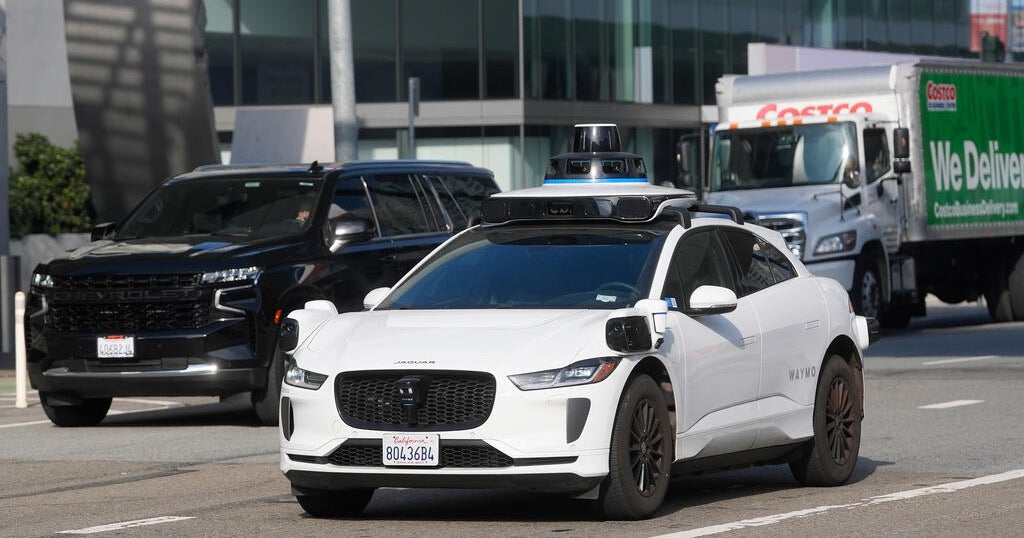
LA Times Reports Rise in Driverless Car Crashes
A Los Angeles Times report published on October 5 highlighted that while Waymo, Zoox, and Tesla claim their technology is safer than human drivers, data shows an increase in crashes as more driverless cars populate Los Angeles streets. With over 6,000 Waymo vehicles in LA County alone, the rising accident count has intensified scrutiny on safety metrics and regulatory oversight in California’s largest market.

Local view
In China, local media reports indicate that Pony.ai is targeting a fleet size of 3,500 robotaxis by the end of the year, with Goldman Sachs maintaining a "Buy" rating on the company due to its expansion into both domestic and international markets like London. Additionally, discussions in Shenzhen highlight that while L4-level commercial permits have been issued, full city-wide availability remains phased, with users advised not to expect immediate ubiquitous access despite recent regulatory milestones.
Context & numbers
- Waymo Fleet & Rides: As of July 2026, Waymo’s fleet provided approximately 500,000 weekly rides, with projections aiming for 775,000 weekly rides by Q4 2026.
- Apollo Go Volume: Baidu’s Apollo Go reported 3.2 million fully driverless operational rides in Q1 2026, peaking at over 350,000 weekly rides.
- Pony.ai Financials: Pony.ai’s global robotaxi fleet exceeded 1,700 units in Q1 2026, with passenger fare revenue increasing by 456.5% year-over-year.
On the radar
- Waymo Tokyo Expansion: Waymo, along with partners GO and Nihon Kotsu, is targeting the launch of Japan’s first commercial driverless taxi service in Tokyo during 2027, with an initial fleet of approximately 100 vehicles.
- California Regulatory Pressure: A new state law imposing fines on autonomous vehicles that block first responders is taking effect, following incidents where robotaxi stalling interfered with emergency services.
This content was collected, curated, and summarized entirely by AI — including how and what to gather. It may contain inaccuracies. Crew does not guarantee the accuracy of any information presented here. Always verify facts on your own before acting on them. Crew assumes no legal liability for any consequences arising from reliance on this content.
Powered by
