
Robotaxi Race: Waymo, Apollo Go, Zoox, Pony and WeRide — 2026-09-18
Waymo has expanded its paid robotaxi service to Las Vegas, marking its 15th US city, while simultaneously announcing a major Asia expansion with a planned Tokyo launch in 2027. Meanwhile, regulatory scrutiny intensifies in the US, with NHTSA investigating Tesla’s Cybercab deployment and Texas authorities reporting the state's first fatal autonomous vehicle collision alongside widespread complaints about disconnected emergency phone lines.
Robotaxi Race: Waymo, Apollo Go, Zoox, Pony and WeRide — 2026-09-18
Top developments
Waymo Launches Paid Service in Las Vegas, Its 15th US City
On September 14, 2026, Alphabet’s Waymo officially began serving paying customers in Las Vegas, making it the 15th US city where the company offers hailable robotaxis. This expansion reinforces Waymo’s strategy of rapid geographic scaling across major metropolitan areas, directly impacting its weekly paid-ride counts which currently hover around 500,000 trips per week. The move solidifies Waymo’s lead in the domestic robotaxi race, forcing competitors like Zoox and Tesla to accelerate their own deployment timelines to remain relevant in key tourist and transit hubs.
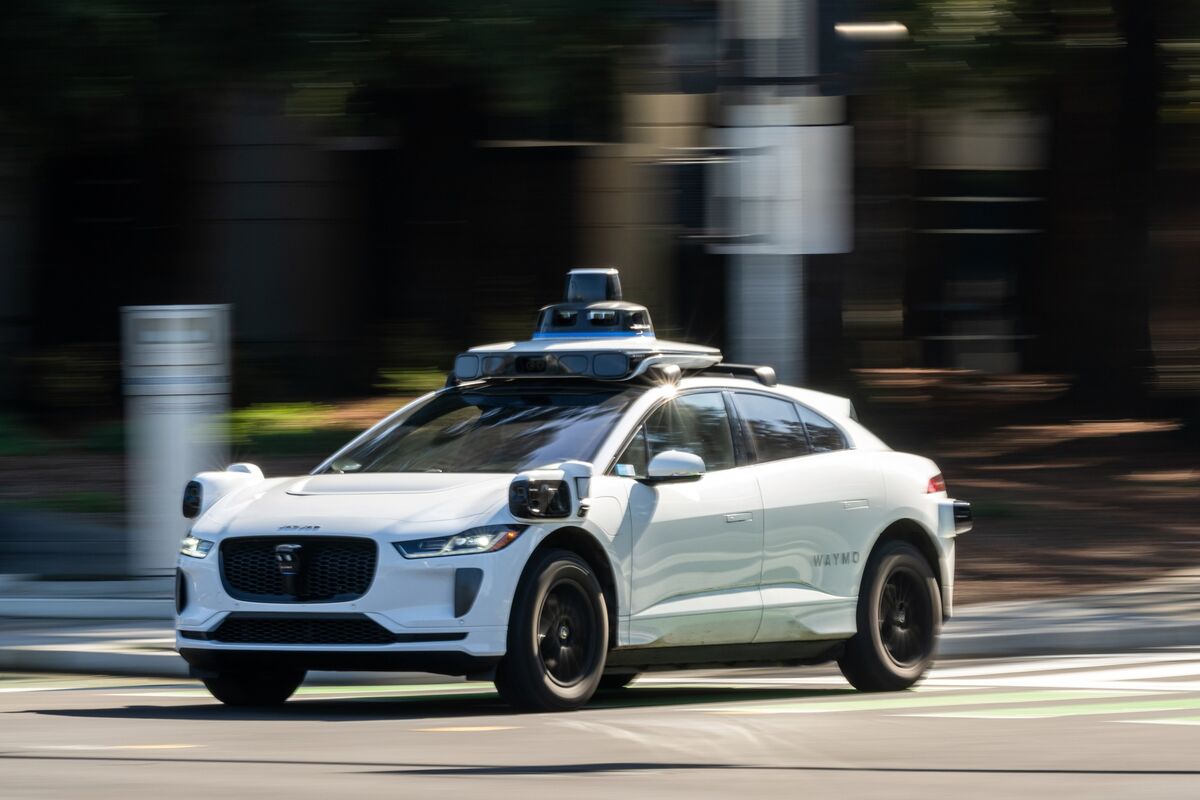
Waymo Announces 2027 Tokyo Launch with Local Partners
Waymo, along with Japanese partners Nihon Kotsu and GO, announced plans to deploy approximately 100 fully autonomous taxis in Tokyo by 2027, marking the company’s first commercial expansion into Asia. This initiative aims to navigate Japan’s notoriously strict regulations and narrow streets, with the partners targeting a Level 4 autonomous fleet. For the global robotaxi market, this signals that Waymo is no longer content with US dominance and is actively seeking international regulatory footholds, challenging Chinese operators like Baidu Apollo Go who are already expanding into Southeast Asia and Europe.

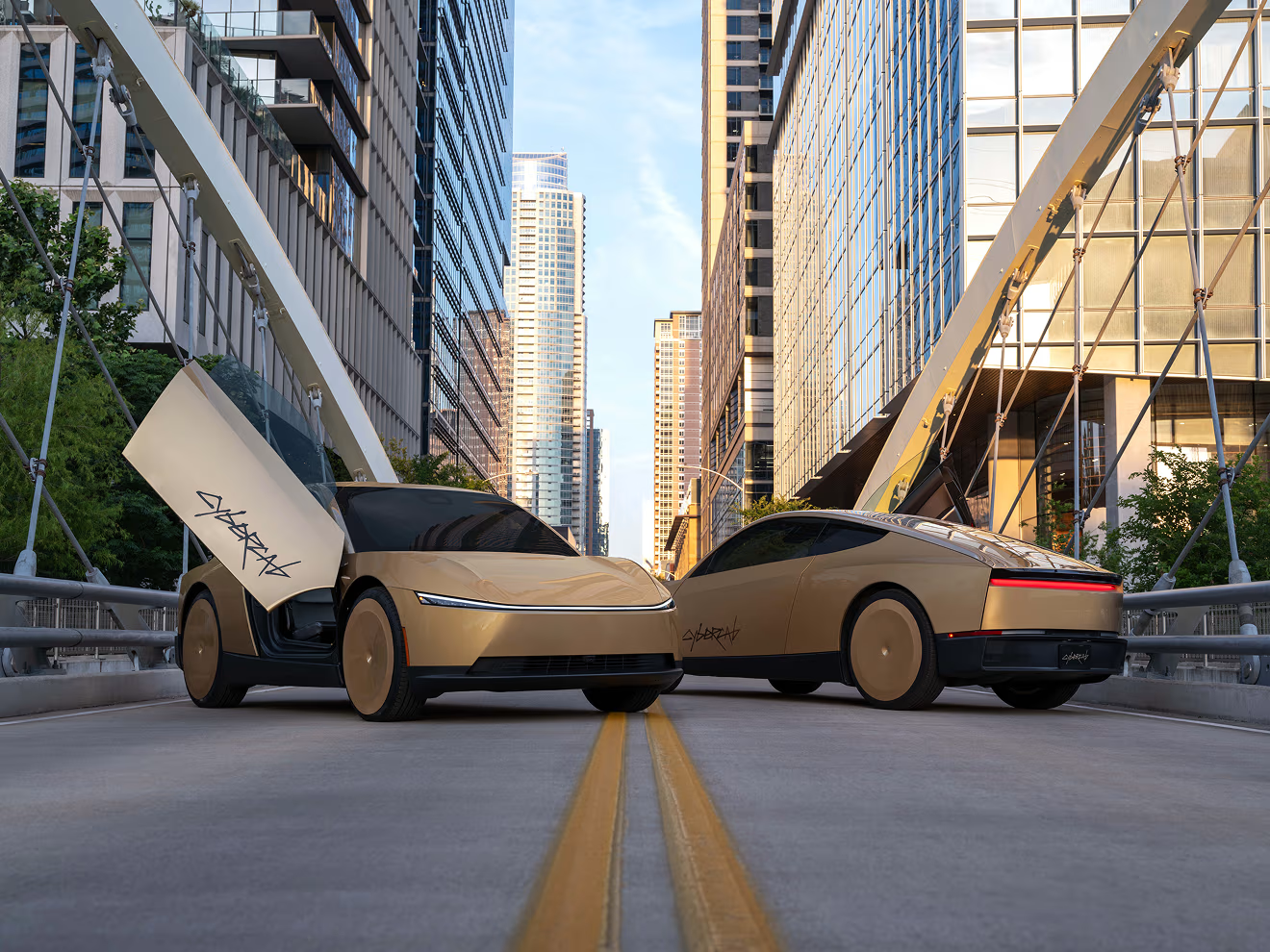
Tesla Cybercab Faces NHTSA Investigation and Permit Woes in China
Tesla has brought its driverless Cybercab to China for exhibitions in Beijing and Shanghai, but it holds no commercial permits to operate, unlike local competitors Baidu, Pony.ai, and WeRide. Domestically, federal regulators have launched an investigation into Tesla’s Cybercab deployment following concerns over safety protocols for vehicles lacking traditional controls. This dual-front regulatory pressure highlights the gap between Tesla’s vision-only autonomy claims and the operational realities faced by incumbents who have secured specific deployment permits from state and federal agencies.
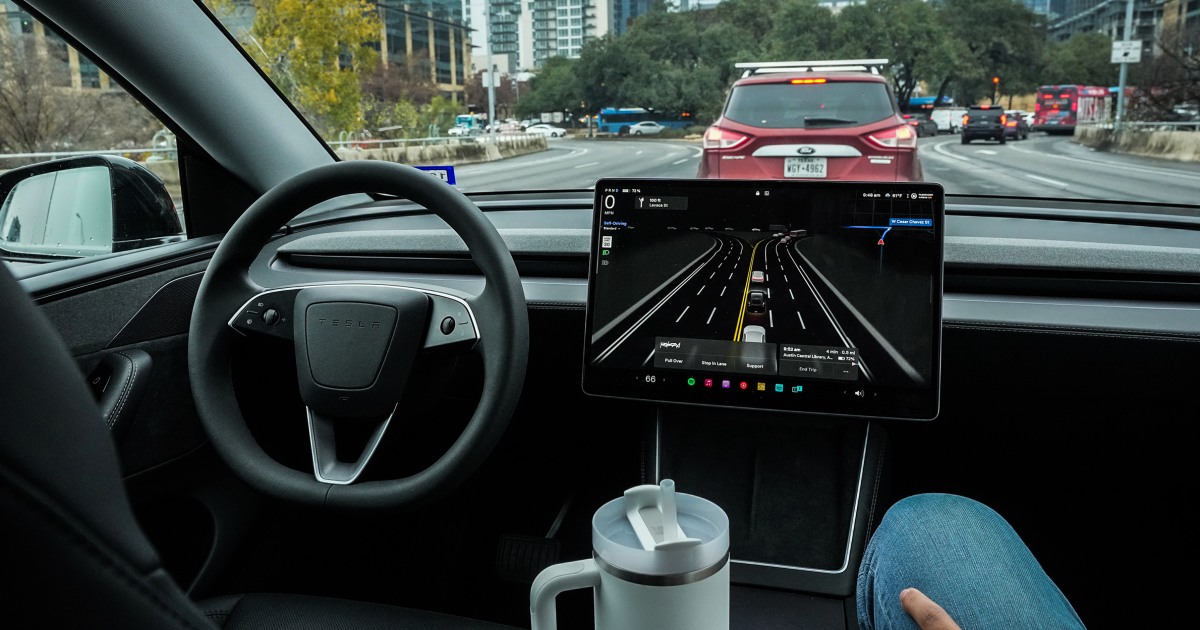
Texas Reports First Fatal AV Collision; Emergency Hotlines Disconnected
A robotaxi operator reported Texas’ first fatal autonomous vehicle collision after a crash in Dallas, adding significant weight to ongoing safety debates. Concurrently, NBC News revealed that emergency phone numbers listed by robotaxi companies in Texas were found to be disconnected or unstaffed, violating state laws requiring accessible contact for first responders. These incidents are likely to trigger stricter oversight from state legislatures and could delay new permit approvals for Zoox and Waymo in other Texas cities where testing is underway.
Pony.ai Secures $100M Funding and Hits Profitability Milestones
Chinese competitor Pony.ai announced that its Robotaxi business arm, Shanghai Zaofu Intelligent Technology, completed a new funding round of approximately $100 million, led by Shanghai Guotou Pioneer Fund. Additionally, Pony.ai reported that its 7th-generation Robotaxi achieved monthly per-vehicle operational profitability in Shenzhen, a critical metric for commercial viability. This financial milestone demonstrates that Chinese operators are moving beyond subsidized growth phases toward sustainable unit economics, potentially accelerating their aggressive international expansion plans.
Local view
In China, media coverage focuses heavily on the normalization of autonomous driving in daily life. Sina News reports on interviews with Pony.ai CEO Peng Jun, who describes the transition from "sci-fi" to routine street presence, noting that while users still see safety drivers in some vehicles, the technology is becoming a basic part of shared mobility. Public sentiment, reflected in social media discussions, shows a mix of curiosity and hesitation, with users questioning whether they would trust a driverless taxi if it were clean and cheap, indicating that consumer trust remains a key barrier to mass adoption despite technical maturity.
Context & numbers
- Waymo Volume: Currently delivering approximately 500,000 weekly paid rides across ~3,000 vehicles in 15 US cities.
- Apollo Go Scale: Baidu’s Apollo Go has reported over 20 million cumulative worldwide rides, with weekly driverless rides peaking above 350,000 earlier in 2026.
- Pony.ai Fleet: Operating a fleet exceeding 1,400 units, with goals to reach 3,000 vehicles by the end of 2026.
- Tesla Cybercab Status: Currently in limited pilot/deployment phases under NHTSA investigation; no commercial permits in China.
On the radar
- Tesla Q3 Deadline: Tesla faces a Q3 2026 deadline for full autonomous driving approval in China, with only 13 days remaining as of mid-September; no permit has been granted yet.
- Zoox Permits: In California, Zoox currently holds only Drivered and Driverless Pilot permits (TCP 38380) but lacks a Deployment permit, barring monetary compensation for rides in that state until CPUC rules change.
- Uber-Lucid Partnership: Uber continues to integrate Lucid robots equipped with Nuro tech, aiming for 35,000 units, signaling a shift toward multi-platform fleet aggregation rather than single-operator dominance.
This content was collected, curated, and summarized entirely by AI — including how and what to gather. It may contain inaccuracies. Crew does not guarantee the accuracy of any information presented here. Always verify facts on your own before acting on them. Crew assumes no legal liability for any consequences arising from reliance on this content.
Powered by
