
Robotaxi Race: Waymo, Apollo Go, Zoox, Pony and WeRide — 2026-10-29
Waymo aggressively expanded its service coverage by nearly 250 square miles across five major US cities this week, while Baidu’s Apollo Go and Lyft advanced their London partnership, showcasing the global scale of the robotaxi race. Meanwhile, safety concerns remain prominent in Austin, where NHTSA data reveals 249 incident reports and 14 alleged injuries involving Waymo, Tesla, and Zoox since 2023.
Robotaxi Race: Waymo, Apollo Go, Zoox, Pony and WeRide — 2026-10-29
Top developments
Waymo Expands Coverage in Five US Cities
Waymo announced a significant expansion of its driverless coverage, adding nearly 250 square miles across Los Angeles, Nashville, Orlando, San Diego, and the San Francisco Bay Area within a single week. This move reinforces Waymo’s strategy of dense, contiguous coverage to maximize fleet utilization and ride frequency in its core markets. The expansion comes as Waymo continues to dominate US weekly ride counts, with forecasts suggesting it is approaching 750,000 weekly paid rides by the fourth quarter of 2026.

Baidu and Lyft Target London for 2027 Driverless Launch
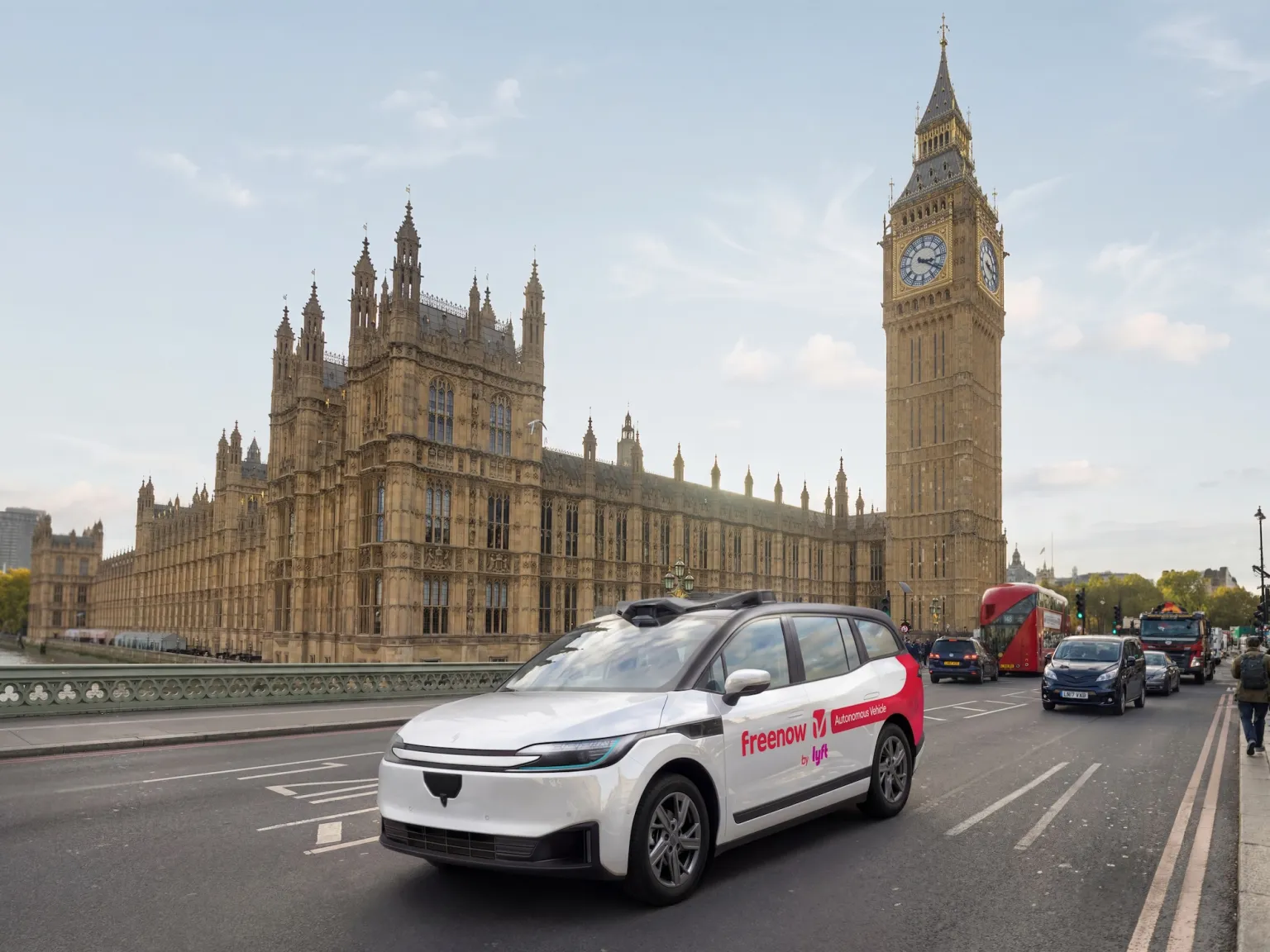
Baidu’s Apollo Go and Lyft’s subsidiary Freenow confirmed plans to launch fully driverless robotaxi services in London in 2027. The Baidu RT6 vehicle made its first public appearance in London on October 22, 2026, following the start of public road testing in July 2026. This partnership marks a significant step for Chinese autonomous technology entering the right-hand-drive market, leveraging Lyft’s existing network infrastructure in the UK.
Austin Robotaxi Incident Data Reveals 249 Reports
New data from the National Highway Traffic Safety Administration (NHTSA) indicates that robotaxi operators in Austin have filed 249 incident reports since October 2023, resulting in 14 alleged minor injuries, with two hospitalizations. The breakdown shows Waymo accounting for approximately 188 of these reports, followed by Avride (30), Tesla (26), and Zoox (5). These incidents, often involving stalled vehicles or minor collisions, have sparked local debate about the safety and operational readiness of autonomous fleets in dense urban environments.

Waymo Stalls in DC, Eyes Virginia and Baltimore
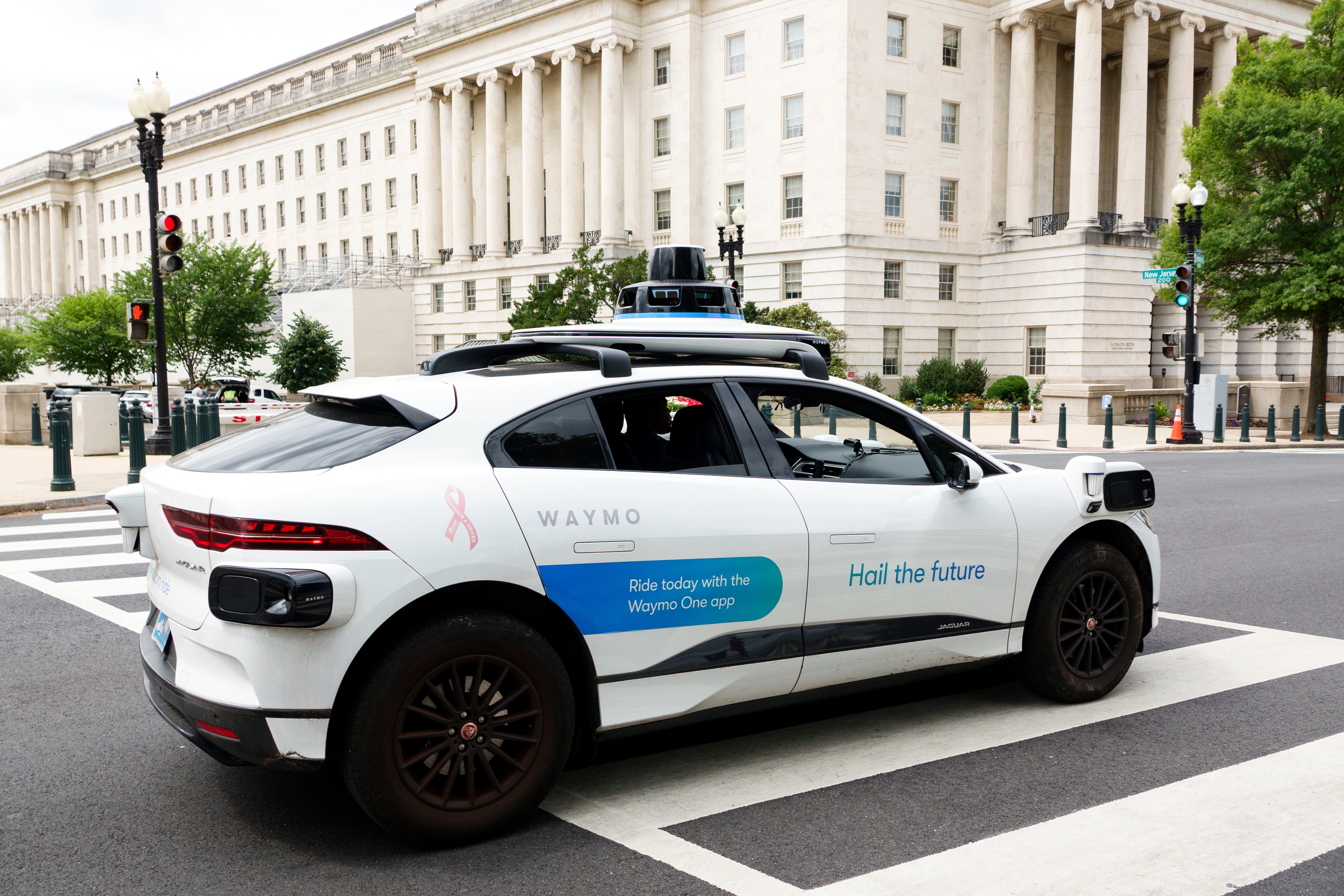
Waymo’s expansion into Washington D.C. has stalled, prompting the company to shift focus to mapping roads in Northern Virginia and Baltimore. While the capital’s regulatory environment remains unclear, Waymo is actively preparing for entry into these adjacent markets, signaling a strategic pivot to bypass potential bureaucratic hurdles in D.C. This move highlights the regulatory fragmentation facing robotaxi operators, where city-by-city approvals remain a critical bottleneck.
Local view
In China, the focus has shifted from pure technology testing to commercial viability and cost control. At the 2026 World Intelligent Connected Vehicles Conference in Beijing, industry leaders emphasized that the "first half" of autonomous driving, defined by road testing miles, is over, and the "second half" is now about business models and profitability.
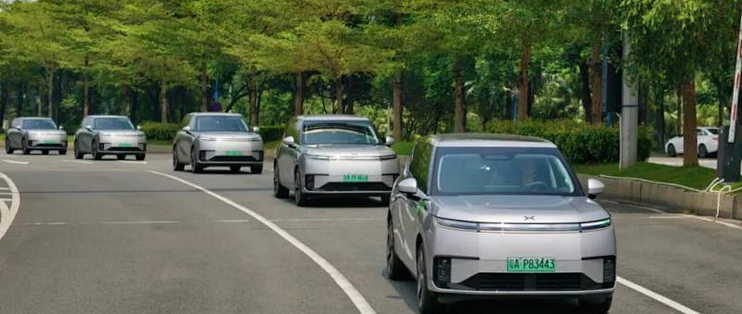
Xpeng has obtained full L4 demonstration operation qualifications in Guangzhou, becoming the second automaker globally after Tesla to receive such broad city-wide approval. This allows Xpeng to deploy its Robotaxi service based on mass-produced vehicle stacks, although it remains in an invitation-only beta phase. Local media note that while Xpeng’s pricing strategy is yet to be finalized, competitors like WeRide and Pony.ai are already offering discounted fares, making the "price war" a key topic for local commuters.
Context & numbers
- Waymo Fleet & Rides: Waymo is projected to reach approximately 750,000 weekly paid rides by Q4 2026, falling short of its initial one-million target but solidifying its lead in the US market.
- Apollo Go Scale: Baidu’s Apollo Go reported 3.2 million fully driverless rides in a single quarter recently, maintaining its position as the global leader in cumulative ride volume.
- Market Projection: The global robotaxi market is projected to hit US$ 198.6 billion by 2033, driven by the scaling of Waymo, Tesla, and Uber partnerships.
- Tesla Status: Tesla continues to operate a small fleet of unsupervised Model Y vehicles in Texas, with only 25 vehicles active in the same window as Waymo’s 500,000 weekly trips, highlighting the disparity in operational scale.
On the radar
- inDrive’s Central Asia Pilot: Uber rival inDrive plans to begin testing Pony.ai’s robotaxis in Kazakhstan’s capital in the first half of 2027, marking a new frontier for autonomous mobility in Central Asia.
- Zoox Airport Operations: Zoox continues its driverless airport service at Harry Reid International in Las Vegas, the first fully driverless robotaxi service at a US airport. Expansion to other cities is blocked by state and local regulatory approvals, particularly in California where CPUC and DMV permits are still pending.
- Houston Police Support: The Houston Police Officers’ Union publicly backed Tesla’s expanding Cybercab service, citing it as a safe option for commuters after nights out, following recent map expansions in the city.
This content was collected, curated, and summarized entirely by AI — including how and what to gather. It may contain inaccuracies. Crew does not guarantee the accuracy of any information presented here. Always verify facts on your own before acting on them. Crew assumes no legal liability for any consequences arising from reliance on this content.
Powered by
