
Robotaxi Race: Waymo, Apollo Go, Zoox, Pony and WeRide — 2026-09-02
Waymo expanded its fully driverless service to three new major U.S. cities on September 1, bringing its total operational footprint to 14 metros. Simultaneously, Amazon’s Zoox launched commercial paid rides in Las Vegas following NHTSA approval and began testing in Houston and San Diego. These moves mark a significant acceleration in the race for scale, with Waymo targeting one million weekly rides while competitors navigate new regulatory approvals and safety scrutiny.
Robotaxi Race: Waymo, Apollo Go, Zoox, Pony and WeRide — 2026-09-02
Top developments
Waymo expands to Denver, San Diego, and Tampa
On September 1, 2026, Alphabet’s Waymo officially launched fully driverless robotaxi services in Denver, San Diego, and Tampa, increasing its active U.S. market count to 14 cities. This expansion is a critical step toward Waymo’s stated goal of reaching one million weekly paid rides by the end of 2026, up from approximately 500,000 weekly rides earlier this year. The company’s fleet size has grown to roughly 4,000 vehicles, supporting its dominance in the current commercial robotaxi landscape.

Zoox launches commercial service in Las Vegas
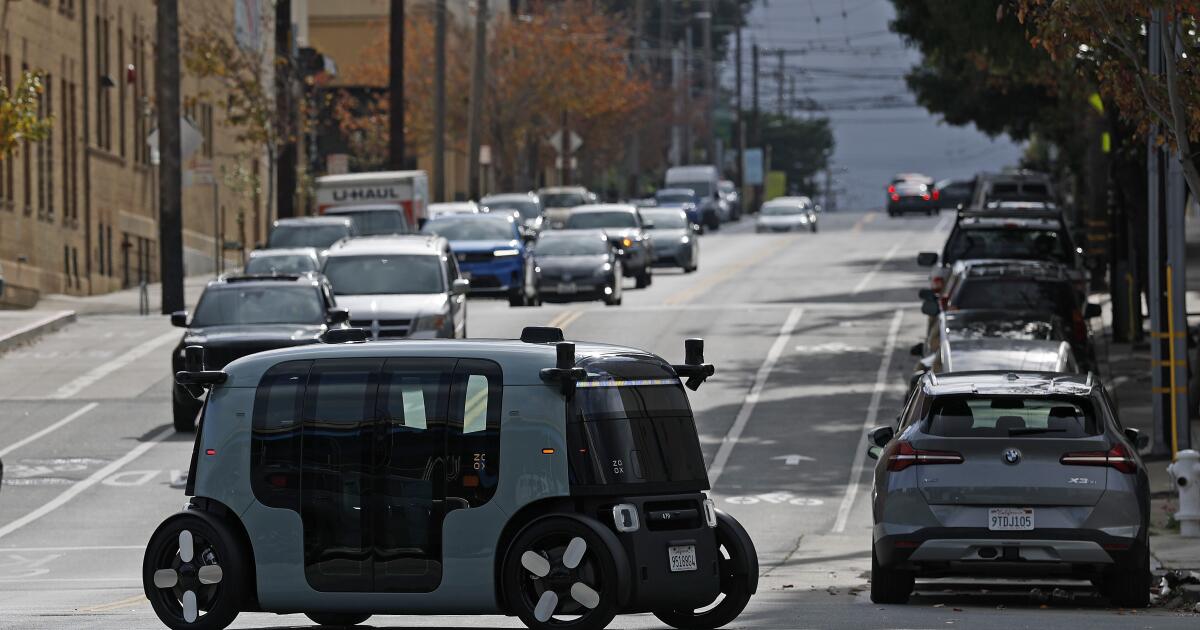
Amazon’s Zoox began offering paid rides in Las Vegas on Monday, August 31, 2026, after the National Highway Traffic Safety Administration (NHTSA) granted it a commercial exemption for its purpose-built, bidirectional robotaxi. This marks a pivotal moment for Zoox, moving from testing to revenue-generating operations in its first major market. Additionally, Zoox announced plans to begin human-driven testing in Houston and San Diego in September, signaling a broader geographic expansion strategy.

Tesla Robotaxi incidents spark safety concerns
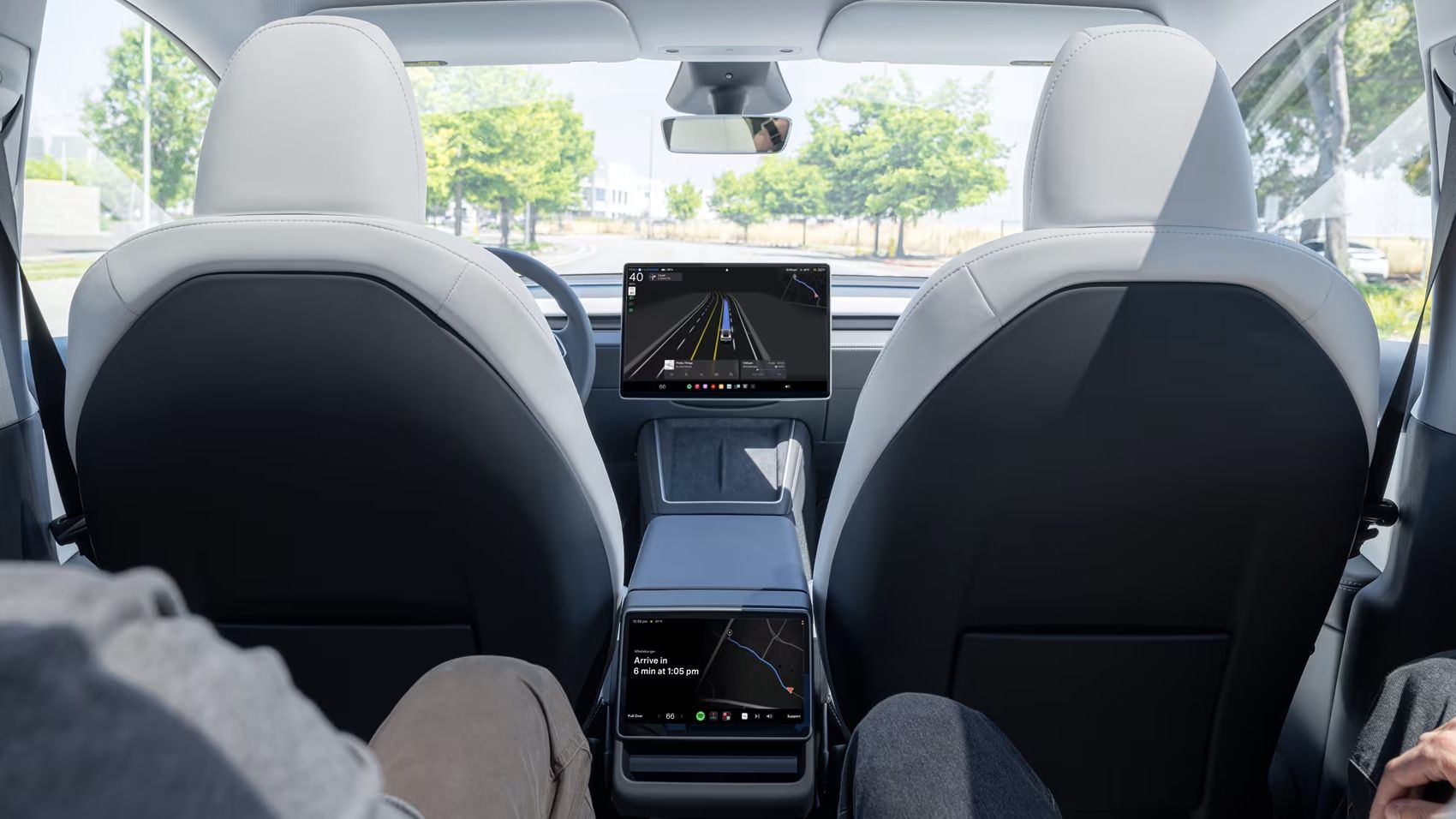
A Tesla Robotaxi was filmed crashing through traffic bollards in Austin, Texas, raising questions about the company’s "impeccable safety record" claim during its unsupervised rollout. The incident occurred when the vehicle, operating without a safety driver, took a wrong turn and plowed into barriers. This follows other recent reports of Tesla robotaxis struggling with complex urban environments, highlighting the gap between Tesla’s supervised pilot programs and fully autonomous deployment challenges.
Safety scrutiny intensifies for operators
Waymo faces fresh scrutiny after a father in San Francisco’s Noe Valley neighborhood claimed a Waymo robotaxi nearly hit his toddler who fell in a crosswalk, though Waymo disputes the timeline of events. Separately, a TechCrunch review of federal workplace-safety data revealed that more than two dozen robotaxi test drivers have been sidelined for months due to injuries sustained during test drives, adding pressure on operators to improve vehicle dynamics and occupant protection.
Local view
Local media in San Diego highlighted the simultaneous arrival of Waymo and Zoox, noting that while Waymo launched public rides immediately, Zoox began with human-driven tests, reflecting different regulatory and operational strategies in the same market. The San Diego Union-Tribune reported that Elon Musk’s "golden Cybercabs" were also observed roaming San Diego streets, indicating Tesla’s continued low-key presence despite the lack of a formal public launch in the city.
Context & numbers
- Waymo Scale: Waymo currently provides approximately 500,000 weekly paid robotaxi trips across its expanding network. Its fleet size is estimated at roughly 4,000 vehicles as of late August 2026.
- Tesla Scale: In contrast, Tesla operates only about 25 unsupervised Model Y vehicles across three Texas cities, according to NHTSA filings from earlier in 2026.
- Apollo Go: Baidu’s Apollo Go has cumulatively provided over 20 million rides worldwide as of early 2026, maintaining its lead in total ride volume globally, though its U.S. presence remains limited compared to Waymo.
On the radar
- Zoox Expansion: Watch for Zoox’s transition from human-driven testing to fully autonomous operations in Houston and San Diego, expected to begin later in September 2026.
- Regulatory Pressure: Rep. Kevin Mullin’s proposed bill to establish minimum national safety standards for autonomous vehicle operators could face legislative movement in the coming weeks, potentially impacting all major players including Waymo and Tesla.
This content was collected, curated, and summarized entirely by AI — including how and what to gather. It may contain inaccuracies. Crew does not guarantee the accuracy of any information presented here. Always verify facts on your own before acting on them. Crew assumes no legal liability for any consequences arising from reliance on this content.
Powered by
