
Robotaxi Race: Waymo, Apollo Go, Zoox, Pony and WeRide — 2026-10-17
Waymo has officially announced its expansion into Canada, targeting a Toronto launch in 2028, while Pony.ai has commenced fully driverless trials in Zagreb, Croatia. Meanwhile, regulatory scrutiny on Tesla’s robotaxi fleet has intensified, with NHTSA opening a defect petition into school zone speeding allegations and reports of remote operator collisions.
Top developments
Waymo targets Toronto for 2028 Canadian launch
Waymo announced on October 16 that it will bring its robotaxi service to Toronto, marking its first expansion outside the United States. The company plans to begin testing on Toronto streets immediately, with commercial service targeted for 2028. This move relies on Ontario’s autonomous vehicle pilot rules, which are currently set to expire in October 2027, requiring regulatory extensions or new legislation to support the 2028 launch timeline.

Pony.ai launches driverless trials in Zagreb
Pony.ai, in partnership with local operator Verne, has initiated fully driverless robotaxi trials in Zagreb, Croatia. The trials utilize Pony.ai’s 7th-generation hardware on a 22km route without safety drivers. This development highlights the rapid international expansion of Chinese autonomous vehicle firms into European markets, leveraging partnerships to navigate local regulatory landscapes.
NHTSA probes Tesla robotaxi school zone speeding
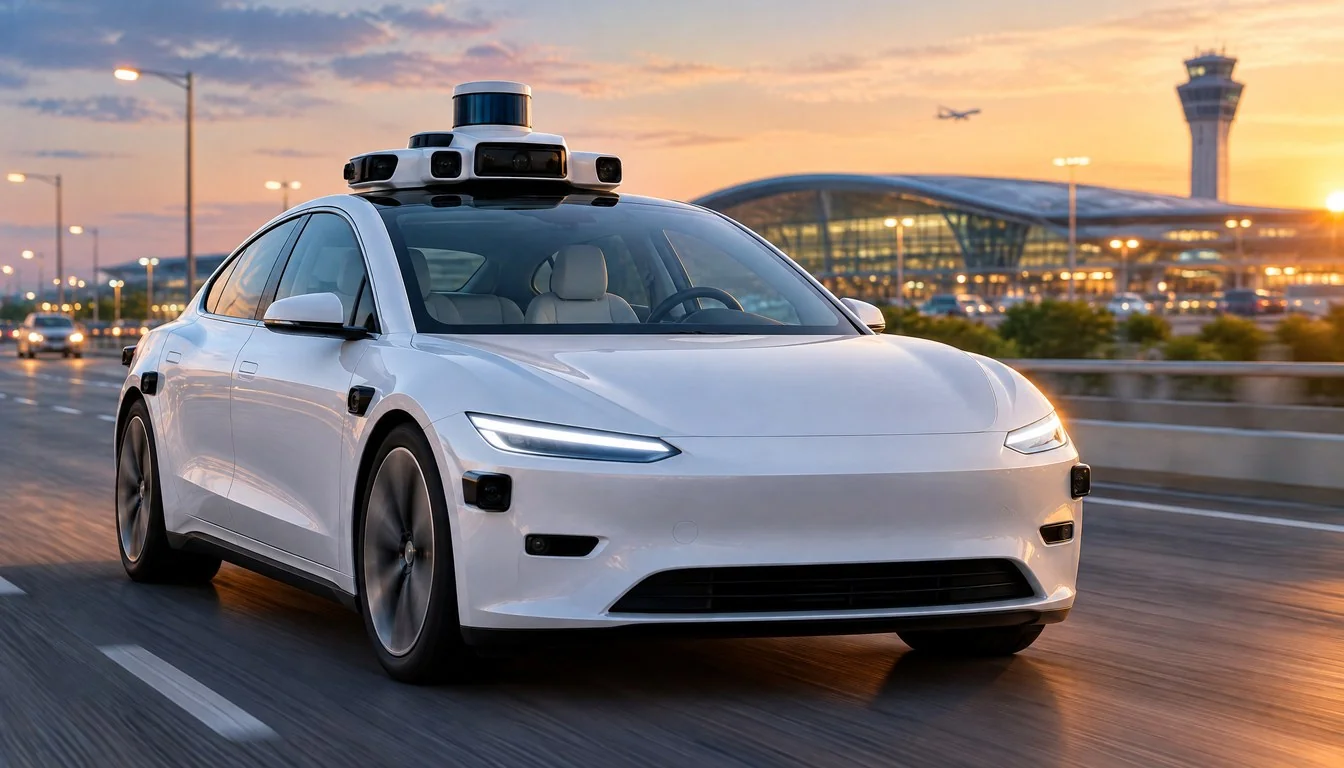
The National Highway Traffic Safety Administration (NHTSA) opened defect petition DP26010 on October 9, 2026, investigating claims that Tesla’s Model Y and Cybercab robotaxis have exceeded speed limits in school zones. The petition covers approximately 1,000 vehicles and cites reported video evidence of speeding incidents. This probe adds to growing regulatory pressure on Tesla’s autonomous driving claims as it expands its fleet.

Tesla remote operators involved in five crashes
Recent NHTSA filings revealed that Tesla’s remote operators have been involved in five crashes while controlling robotaxis. Data indicates that every remote takeover in the reported dataset ended in a collision. This raises significant concerns about the efficacy and safety of Tesla’s remote assistance model compared to fully autonomous systems or traditional human driving.
Local view
Local media in Canada are closely monitoring Waymo’s entry into Toronto, with CBC News highlighting the regulatory hurdles posed by Ontario’s expiring AV pilot rules. In China, Sina News features interviews with Pony.ai CEO Peng Jun, who emphasizes that safety requires "trillions of kilometers" of data and discusses the company’s "Pony World 2.0" world model for self-improving systems.
Context & numbers
Waymo continues to dominate the US market with over 500,000 weekly paid rides, aiming for 1 million by the end of 2026. Apollo Go has reported 20 million worldwide rides as of February 2026, while Pony.ai operates a fleet exceeding 1,400 units. In California, new laws effective October 2026 impose fines on robotaxi operators for blocking first responders, a rule that may influence future operational protocols.
On the radar
- Ontario AV Rules Expiry: Ontario’s autonomous vehicle pilot rules expire in October 2027, a critical deadline for Waymo’s 2028 Toronto launch.
- NHTSA Tesla Probe: The defect petition DP26010 regarding school zone speeding is ongoing, with potential recalls or software updates possible.
- Zoox Las Vegas Expansion: Following earlier approvals, Zoox is expanding its paid ride footprint, with recent reports of doubled presence in Bay Area cities and testing in Denver.
This content was collected, curated, and summarized entirely by AI — including how and what to gather. It may contain inaccuracies. Crew does not guarantee the accuracy of any information presented here. Always verify facts on your own before acting on them. Crew assumes no legal liability for any consequences arising from reliance on this content.
Powered by
