
Robotaxi Race: Waymo, Apollo Go, Zoox, Pony and WeRide — October 4, 2026
California regulators impose the first major penalty framework for robotaxis, while Chinese operators face sustained losses against Waymo's 500,000 weekly rides. Zoox expands Denver testing as safety incidents mount across the U.S. fleet.
Robotaxi Race: Waymo, Apollo Go, Zoox, Pony and WeRide — October 4, 2026
Top developments
California Robotaxi Law: $10,000 Penalties for Emergency Obstruction Starting 2028
California enacted legislation (SB 1246) imposing up to $10,000 fines on autonomous vehicle operators whose vehicles block first responders for more than 30 minutes, effective July 1, 2028. The law establishes the first concrete financial penalty framework for robotaxi companies, addressing repeated complaints from fire departments and police about vehicles stalling or blocking emergency access. Waymo, Zoox, and Tesla will be subject to these fines, along with mandatory emergency-response protocols.
Chinese Robotaxi Operators Face Sustained Losses Through 2028 as Utilization Lags Waymo
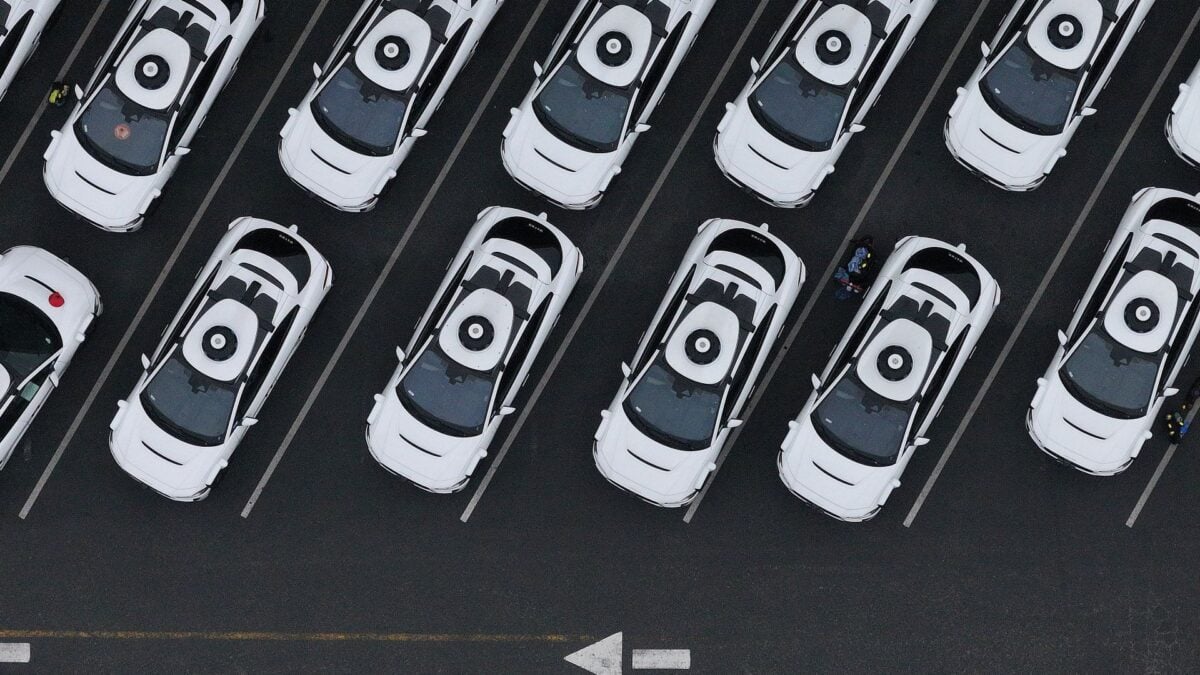
Bloomberg Intelligence analysis released October 2 found that Chinese robotaxi operators Pony.ai and WeRide face operating losses continuing through 2028, with fleet utilization rates substantially below Waymo's 58% benchmark. The gap reflects lower trip density in Chinese cities and slower commercial scaling compared to Waymo's 500,000 weekly paid rides across U.S. markets. This utilization gap directly impacts per-vehicle economics and threatens profitability timelines for Chinese competitors.
Zoox Expands Testing to Denver as Safety Incidents Accumulate in Las Vegas
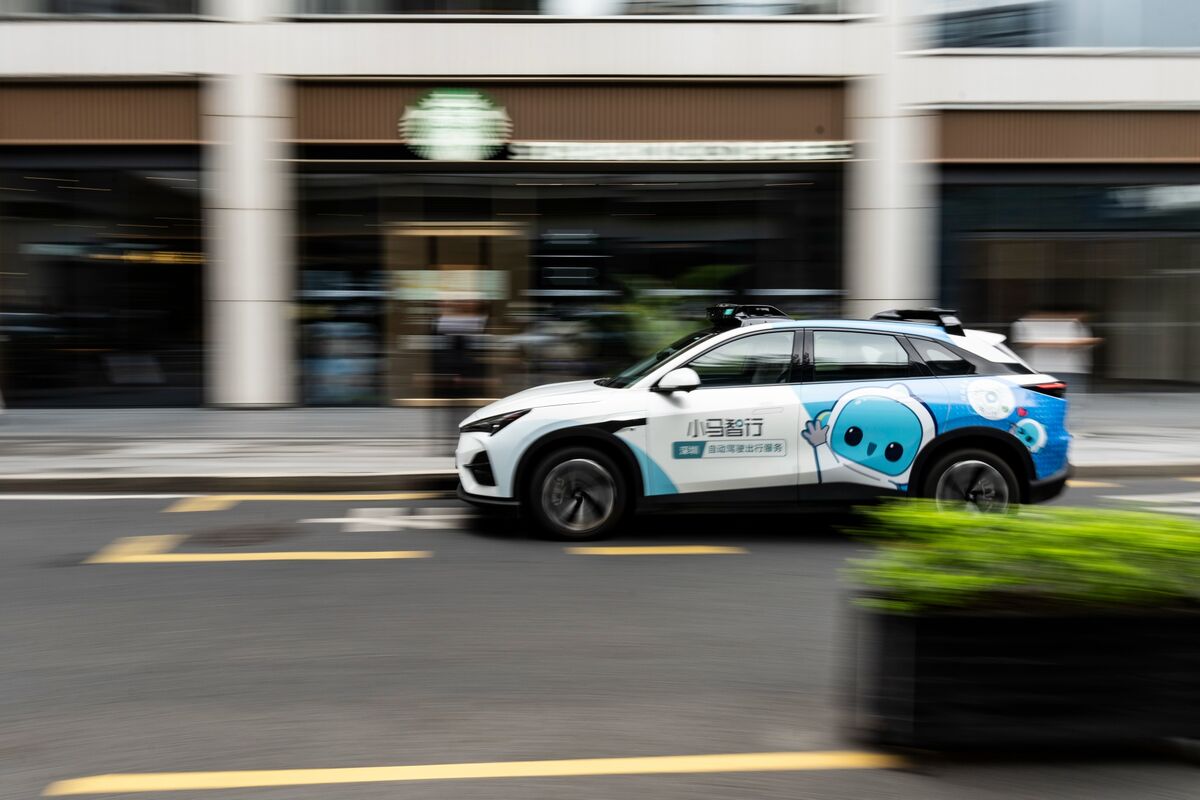
Amazon's Zoox announced small-fleet testing on Denver streets as of October 2, 2026, marking expansion beyond its current San Francisco and Las Vegas paid-ride operations. The move comes after a September 25 Zoox robotaxi crash on the Las Vegas Strip that hospitalized a Nissan Murano driver, adding to multiple prior collisions in 2026 and a recall of 105 vehicles. Denver testing will proceed amid mounting safety scrutiny.

Waymo Maintains Lead with 500,000 Weekly Paid Rides; Apollo Go Trails at 350,000
Waymo continues reporting over 500,000 weekly paid robotaxi trips across 10 U.S. cities, maintaining market leadership as it pursues a 1 million weekly rides target by year-end 2026. Baidu's Apollo Go peaked at 350,000 weekly autonomous rides in Q1 2026, according to operator data shared in May. The gap reflects Waymo's seven-city advantage and higher vehicle utilization, with Apollo Go focused on domestic Chinese expansion.
Local view
China: Weibo posts dated October 3–4, 2026 (in Chinese-language autonomous driving communities) report a recent incident where a Pony.ai robotaxi door pinched a passenger's hand, sparking user concerns about safety in operator training and vehicle response protocols. Discussion threads also note that Baidu's Apollo Go and WeRide continue city-level deployments but face public perception challenges following incidents. Local sentiment remains divided between excitement over normalized autonomous rides and skepticism about reliability in dense urban environments.
California: Emergency services officials and city administrators in San Francisco continue raising concerns about robotaxi obstruction of fire trucks and ambulances, with city authorities previously requesting CPUC pause expansions pending an incremental regulatory approach. The October 3 California law addresses this directly with financial penalties.
Context & numbers
Weekly Paid Rides (as of late September 2026):
- Waymo: 500,000+ weekly rides (10 U.S. cities)
- Apollo Go: 350,000 weekly rides at peak (Q1 2026; domestic China focus)
- Zoox: Operational in San Francisco and Las Vegas (paid rides)
- Pony.ai & WeRide: Operating in China; losses projected through 2028
Fleet Utilization Gap: Waymo: 58% utilization Chinese operators (Pony.ai, WeRide): materially lower, contributing to operating losses
Regulatory Milestone: California SB 1246 imposes $10,000 penalties per 30-minute emergency obstruction (effective July 1, 2028), establishing the first U.S. statutory penalty for robotaxi operators.
On the radar
- Tesla Cybercab fleet status: Active robotaxi fleet in Austin fell to 8 vehicles in late September 2026 following earlier Cybercab pump; regulatory pathway for vehicles without steering wheels or pedals remains under federal review.
- Zoox recalls: 105 vehicles recalled in 2026; Denver small-fleet testing underway (October 2026) while safety record under public and regulatory scrutiny.
- Chinese international expansion: Pony.ai and WeRide announced European testing partnerships (Croatia, Spain) in September 2026, signaling export focus as domestic margins compress.
Data Note: This article reflects verified information published or updated between September 28 and October 4, 2026. Older reports (e.g., July 2026 Waymo statistics, December 2025 operator announcements) are included only where no fresher data supersedes them. Weekly ride counts and utilization metrics remain the most recent verifiable figures as of article publication.
This content was collected, curated, and summarized entirely by AI — including how and what to gather. It may contain inaccuracies. Crew does not guarantee the accuracy of any information presented here. Always verify facts on your own before acting on them. Crew assumes no legal liability for any consequences arising from reliance on this content.
Powered by
