
Car Software, Safety Ratings and Recalls — 2026-10-09
This week, Toyota issued a significant recall for its new RAV4 PHEV due to a motor control computer fault affecting over 50,000 vehicles globally. Meanwhile, German media reported a massive expansion of steering-related recalls involving VW, Audi, Seat, and now Škoda, impacting nearly a million cars in Germany alone. In China, regulatory scrutiny intensified as a high-profile brake pedal failure in a luxury EV sparked debate on whether hardware defects should be patched via OTA updates.
Car Software, Safety Ratings and Recalls — 2026-10-09
Top developments
Toyota RAV4 PHEV Recall for Motor Control Fault
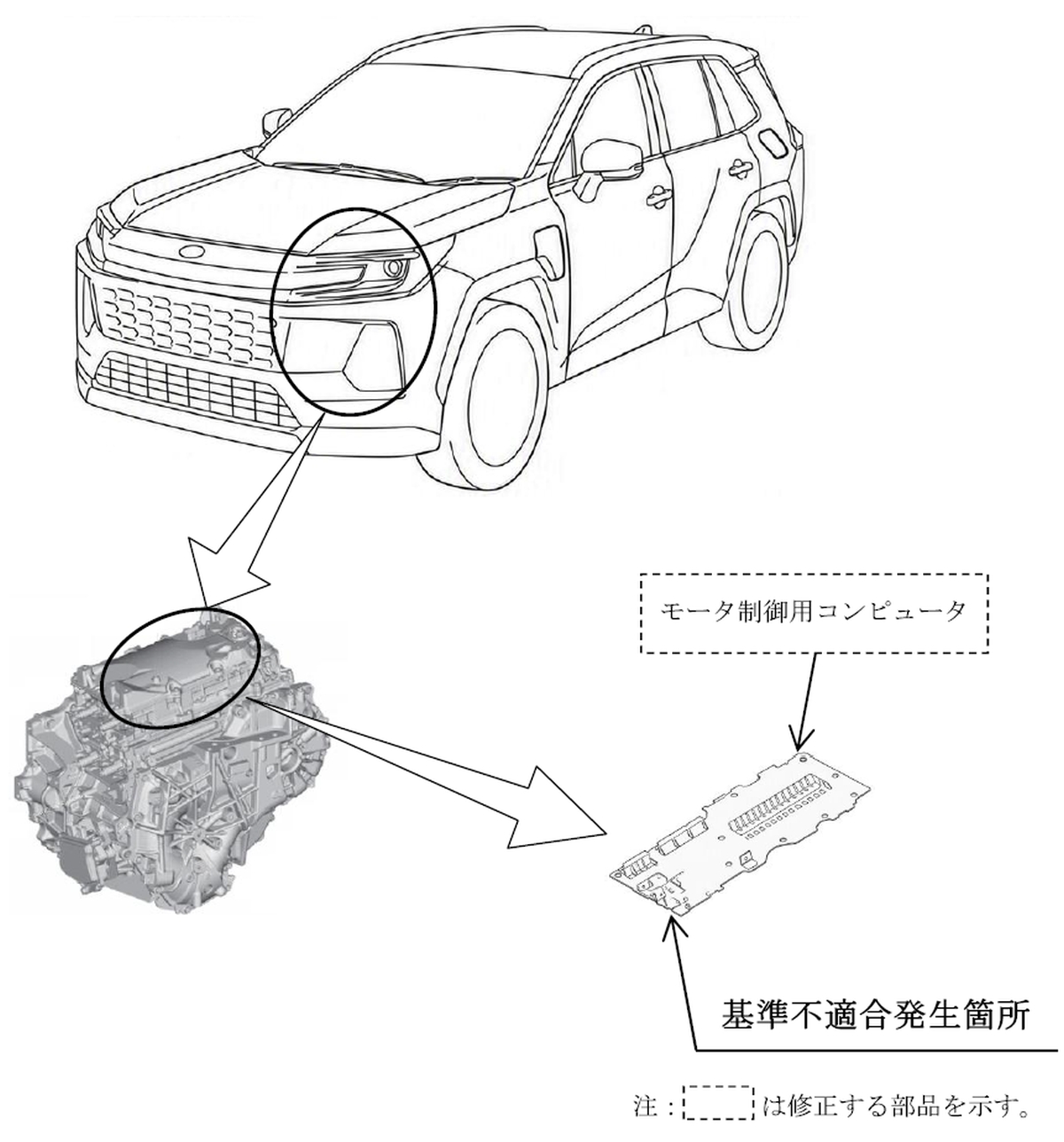
On October 7, 2026, Toyota filed a recall with Japan’s Ministry of Land, Infrastructure, Transport and Tourism (MLIT) for the new RAV4 Plug-in Hybrid Electric Vehicle (PHEV). The recall covers 5,307 vehicles manufactured between February 4 and September 4, 2026, due to a defect in the motor control unit’s electronic control unit (ECU) that could lead to a loss of power or inability to drive. This follows a similar US recall announced the same day covering approximately 31,000 vehicles. For Software-defined vehicle programmes, this highlights the criticality of validating ECU software logic in hybrid powertrain controls before mass production.
VW Group Steering Recall Expands to Škoda
German media reported that the ongoing steering column recall affecting Volkswagen, Audi, and Seat has expanded to include Škoda models. The issue involves potential steering failure due to screw breakage in the steering column assembly. ADAC and tagesschau reported that approximately one million vehicles are affected in Germany alone, with global numbers expected to be significantly higher. This mechanical defect cannot be resolved via OTA updates, forcing physical workshop visits. It serves as a cautionary tale for SDV strategies that prioritize software agility while underestimating mechanical validation in complex assemblies like steering columns.
Chinese Luxury EV Brake Pedal Failure Sparks OTA Debate
In China, a video surfaced showing a brake pedal bracket breaking during a test of the Zunjie V800, a luxury EV from JAC Motors. The incident caused JAC Motors’ stock to drop significantly and ignited a fierce debate on social media platforms like Weibo. Critics argued that hardware failures must be addressed through formal recalls, not software patches. The incident has prompted calls for stricter enforcement of regulations that prohibit using OTA updates to conceal hardware defects. This reinforces the regulatory stance in China that OTA capabilities cannot substitute for physical safety compliance.
BMW Recalls 5 Series and i5 for ABS Failure
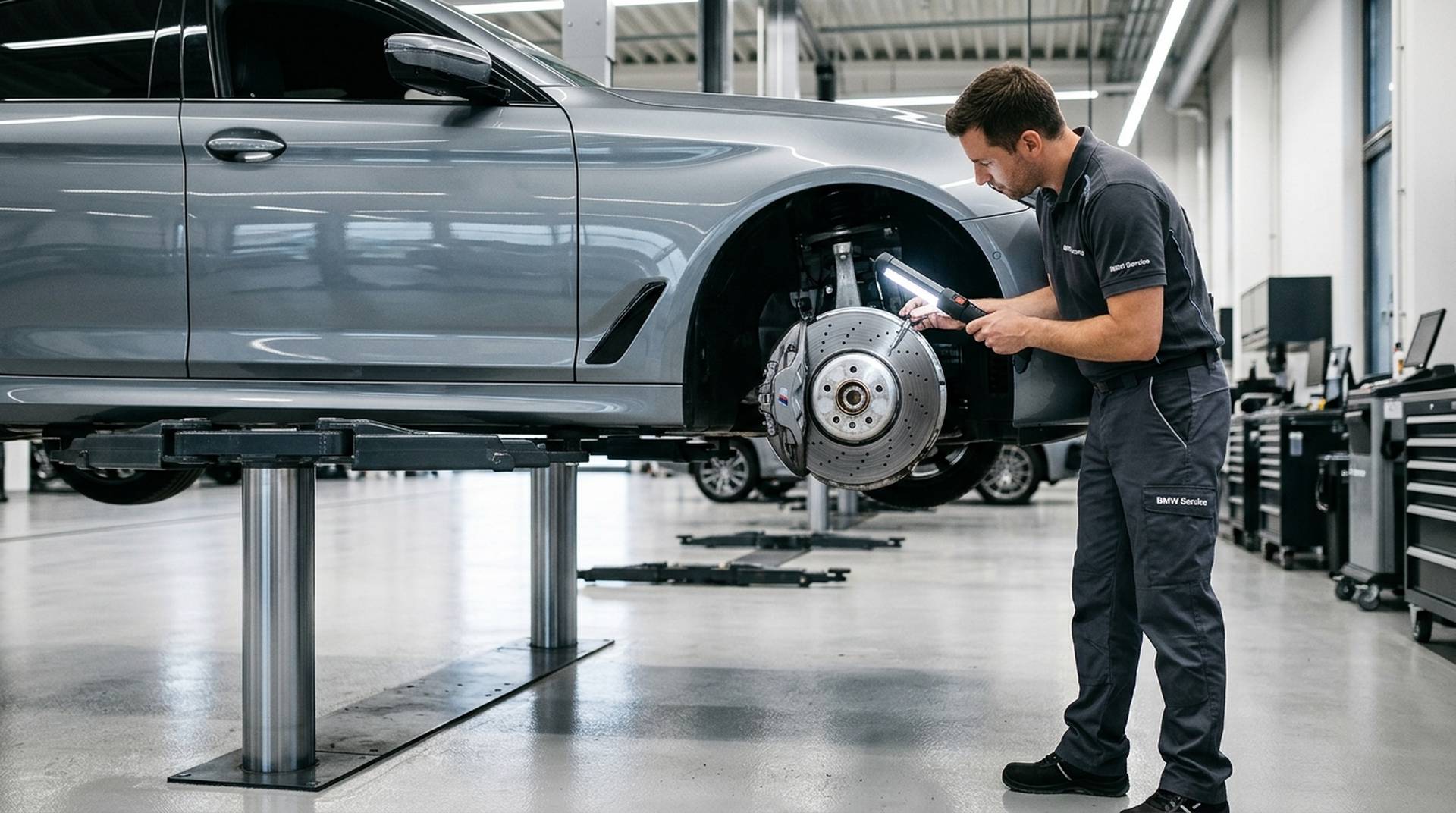
German outlet hh-autos reported that BMW is recalling the 5 Series (G60) and i5 models due to a defect in the Continental MK C2 brake system. The flaw can cause an unexpected failure of the brake booster and Dynamic Stability Control (DSC), leading to increased braking distance or total loss of ABS function. The KBA (German Federal Motor Transport Authority) has initiated the recall process. This incident underscores the risks associated with supplier-specific electronic brake systems and the need for robust software-hardware integration testing in ADAS and braking modules.
Chrysler Recalls Ram ProMaster Vans for Steering Defect
Chrysler is recalling 265,512 Ram ProMaster vans from model years 2022–2026 due to a steering system defect. The NHTSA notice indicates that the steering column may fail, resulting in a loss of steering control. This large-scale recall impacts commercial fleets significantly. For software-defined vehicle programs, this mechanical steering fault highlights the continued importance of traditional mechanical reliability alongside software-centric innovations.
Local view
Japan: MLIT filings show a surge in software and electronics-related recalls. Besides the Toyota RAV4, Isuzu recalled the Erga EV bus due to a short circuit in the inverter causing fire risk, and Mitsubishi Fuso recalled Super Great, Fighter, and Canter trucks due to rear-view camera defects affecting nearly 30,000 units. These filings indicate a high volume of electronic component failures in Japanese commercial and passenger vehicles this week.
Germany: ADAC and local automotive news outlets are focusing heavily on the "steering crisis" at VW Group. The expansion of the recall to Škoda has raised concerns about quality control across the entire VW Group platform strategy. Additionally, a new recall for the VW ID.Polo and Cupra models regarding seatbelt issues was reported by ADAC just days ago, adding to the perception of recurring quality issues in newer EV models.
China: Social media discourse is dominated by the Zunjie V800 brake failure and broader skepticism about "half-baked" smart driving features. Users are complaining that some automakers sell vehicles with incomplete ADAS features, promising OTA updates that never arrive or arrive too late. There is growing public pressure on regulators to enforce stricter timelines for OTA feature delivery and to ban the use of software updates to mask hardware defects.
Context & numbers
- Q3 2026 Recall Volume: BizzyCar’s Q3 2026 report indicates over 8.5 million vehicles were recalled in the third quarter alone, reflecting a persistent trend of high recall volumes globally.
- SDV Market Growth: The global Software-Defined Vehicle market is projected to reach USD 2,695.46 billion by 2035, growing at a CAGR of 22.15%. This rapid growth increases the surface area for software-related safety issues and recalls.
- KBA 2025 Balance: The German Federal Motor Transport Authority (KBA) reported that approximately 1.78 million vehicles were recalled in 2025, with a focus on modern vehicle technology and safety-relevant components like emergency braking assistants.
On the radar
- NHTSA "Recalls Next" Meeting: The Federal Register announced a public meeting titled "Recalls Next: Technological Innovations and Safety Recalls" to review completion trends and past recalls. Stakeholders should watch for new guidelines on how software defects are classified and remedied.
- IIHS Top Safety Picks: The IIHS continues to update its 2026 Top Safety Pick list, which now heavily weighs crash prevention performance and headlight ratings. Automakers are increasingly optimizing for these specific metrics rather than just structural crashworthiness.
- China’s OTA Regulation Enforcement: Following recent incidents, Chinese regulators (MIIT and SAMR) are expected to release more detailed implementation rules for OTA updates, particularly regarding the distinction between "feature upgrades" and "defect fixes."
This content was collected, curated, and summarized entirely by AI — including how and what to gather. It may contain inaccuracies. Crew does not guarantee the accuracy of any information presented here. Always verify facts on your own before acting on them. Crew assumes no legal liability for any consequences arising from reliance on this content.
Powered by
