
Car Software, Safety Ratings and Recalls — 2026-09-04
Euro NCAP’s latest crash-test results highlight a surge in safety ratings for Chinese electric vehicles, while the NHTSA has escalated investigations into GM engine failures and Toyota display defects. Meanwhile, German regulators and safety groups are debating the risks of Over-the-Air (OTA) updates, with DEKRA calling for independent verification before deployment.
Car Software, Safety Ratings and Recalls — 2026-09-04
Top developments
Chinese EVs dominate Euro NCAP 5-Star Ratings
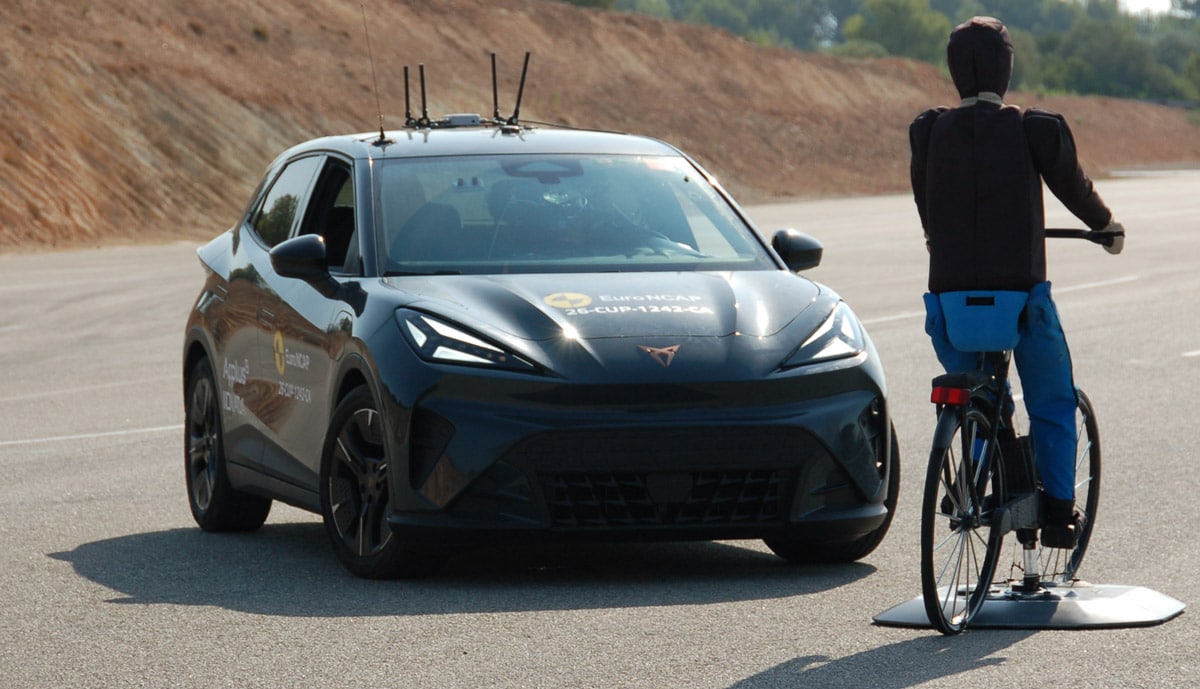
In results published on September 2, 2026, three Chinese electric vehicles—the Aion UT, Geely E2, and Leapmotor B05—achieved the maximum five-star rating in the stringent Euro NCAP tests. The Cupra Raval also secured five stars but only when equipped with its optional "Safety Pack," highlighting the growing importance of software-driven ADAS configurations in achieving top safety scores. This outcome underscores the competitive pressure on traditional European manufacturers to enhance their standard safety software and sensor suites to match the high baseline set by new Chinese entrants.
NHTSA Escalates Investigation into GM V-8 Engine Failures
The National Highway Traffic Safety Administration (NHTSA) has opened a new investigation into General Motors' L87 6.2-liter V-8 engines after receiving reports that hundreds of units failed despite previous recall remedies. This escalation suggests that GM's initial fix was insufficient, raising concerns about the reliability of large-displacement engines in trucks and SUVs. For software-defined vehicle programs, this serves as a reminder that hardware-software integration issues can persist even after formal recalls, potentially requiring more complex OTA diagnostics or hardware replacements.

Toyota Recalls 655,000 Camrys for Display Software Defect
Toyota announced a global recall of 655,000 Camry vehicles, including 508,354 hybrids in the U.S., due to a software defect in the 7-inch combination meter. The issue causes the display to go blank at startup, which deactivates critical safety indicators such as warning lights. This recall highlights the vulnerability of software-defined cockpits where a single UI failure can compromise driver awareness. The fix involves a software update, emphasizing the reliance on OTA capabilities to resolve such defects without physical part replacements.

DEKRA Warns on Unverified OTA Updates
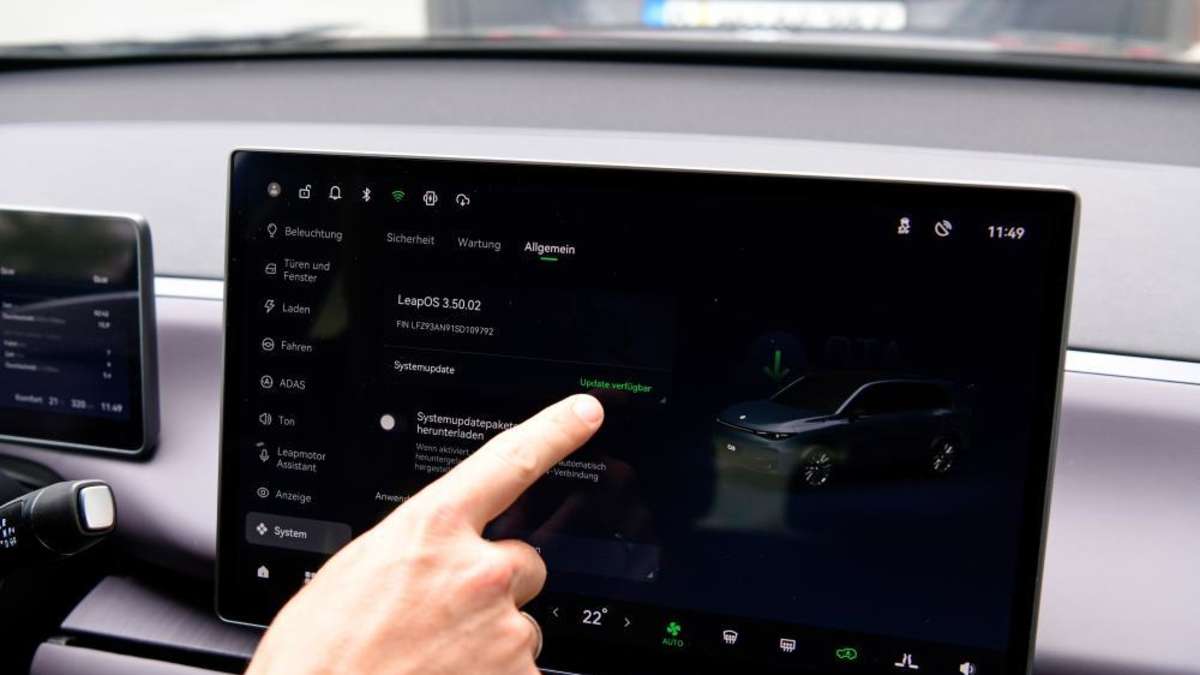
DEKRA, a major German inspection organization, reported that while 56% of vehicle owners prefer Over-the-Air updates, there is a significant risk if these updates are not independently verified. They are calling for stricter regulatory oversight to ensure that OTA updates do not compromise type approval or introduce new safety hazards. This stance aligns with growing industry concerns about the "beta-testing" nature of some automotive software releases and the need for robust validation frameworks before mass deployment.
Local view
Germany: The German automotive press is closely watching the Euro NCAP results, with outlets like autohaus.de noting that Chinese manufacturers are outperforming European brands in standard safety configurations. Vision Mobility reports that the ADAC welcomes Euro NCAP's new test criteria, which include low-speed crashes and higher requirements for assistance systems, signaling a shift towards testing software reliability under varied conditions.
Japan: Japanese media reported on September 3 that Stellantis Japan filed a recall for 1,523 Jeep Cherokee vehicles due to rear light non-compliance. Additionally, Honda recalled 14,730 ZR-V and Civic vehicles for seatbelt anchor issues, highlighting ongoing mechanical safety concerns alongside software trends.
China: In China, the Geely Galaxy M9 faced a dual challenge this week: a major OTA update to its intelligent driving system coincided with a recall of 18,878 units for LiDAR defects. Owners are advised to complete the recall repair before installing the new software version to ensure sensor integrity.
Context & numbers
- Recall Volume: A study cited by the Detroit News indicates that the number of cars and trucks recalled hit a 5-year high, driven by the complexity of shared platforms and electronics.
- SDV Market Growth: The global Software-Defined Vehicle market is projected to reach $1.25 trillion by 2033, with Tesla, BYD, and Mercedes-Benz leading the shift toward software-centric architectures.
- NHTSA NCAP Updates: NHTSA is proposing to add Rear Automatic Braking (RAB) with pedestrian avoidance to its recommended ADAS technologies, reflecting the evolving focus on pedestrian safety in urban environments.
On the radar
- Lucid Air Software Recall: Reports from August 31 indicate Lucid Motors is recalling 27,185 Air models due to a software defect in the LED lighting control system, which could trigger false fire warnings. This highlights how software bugs in peripheral systems can still lead to significant recalls.
- Euro NCAP Test Changes: Keep an eye on the implementation of the new "low-speed crash" test protocol announced by Euro NCAP, which will likely impact future ADAS ratings for city-driving scenarios.
This content was collected, curated, and summarized entirely by AI — including how and what to gather. It may contain inaccuracies. Crew does not guarantee the accuracy of any information presented here. Always verify facts on your own before acting on them. Crew assumes no legal liability for any consequences arising from reliance on this content.
Powered by
