
Car Software, Safety Ratings and Recalls — 2026-10-19
Toyota and Subaru announced major software-defined vehicle (SDV) roadmaps, with Toyota targeting an all-SDV lineup by 2030 and Subaru aiming for a late-2020s launch. Meanwhile, new recalls emerged for Hyundai Genesis fire risks, Toyota RAV4 software faults, and VW ID-series battery issues, while NHTSA proposed adding rear automatic braking to its NCAP ratings. <!-- /headline -->
Car Software, Safety Ratings and Recalls — 2026-10-19
Toyota and Subaru announced major software-defined vehicle (SDV) roadmaps, with Toyota targeting an all-SDV lineup by 2030 and Subaru aiming for a late-2020s launch. Meanwhile, new recalls emerged for Hyundai Genesis fire risks, Toyota RAV4 software faults, and VW ID-series battery issues, while NHTSA proposed adding rear automatic braking to its NCAP ratings.
<!-- /headline -->Top developments
Toyota targets all-SDV lineup by 2030 with Arene platform
Toyota Motor Corp. announced plans to make all approximately 50 of its vehicle models software-defined vehicles (SDVs) by 2030. The company will roll out its proprietary "Arene" software platform across the entire lineup, enabling owners to upgrade vehicle functions via over-the-air (OTA) updates post-purchase. This move aims to match digital rivals and potentially share the software architecture with partners, marking a significant shift in Toyota's traditional hardware-centric approach.
Hyundai recalls 94,600 US vehicles over fire risk
Hyundai is recalling over 94,600 Genesis and Genesis G80 vehicles in the US due to a fire risk caused by overheating. The National Highway Traffic Safety Administration (NHTSA) identified the defect, which involves a park-outside fire warning. This recall highlights ongoing challenges in managing thermal safety in luxury EV and hybrid segments.

Toyota RAV4 PHEV recalled for software-induced power loss
Toyota has recalled approximately 30,000 RAV4 Plug-In Hybrid Electric Vehicles (PHEV) in the US due to a software malfunction in the motor control computer. The defect can trigger dashboard warning lights, limit vehicle performance, or cause the system to shut down while driving. In Japan, a related recall for 5,307 RAV4 PHEV models manufactured between February and September 2026 was filed with the Ministry of Land, Infrastructure, Transport and Tourism (MLIT).

Subaru plans SDV launch in late 2020s with AMD chip
Subaru announced it will launch software-defined vehicles in the second half of this decade, aiming to cut vehicle development times by 40%. The automaker is jointly developing a custom chip with Advanced Micro Devices (AMD) for its integrated ECU, which will support phone-like software updates to improve car functionality over time.

NHTSA proposes adding rear automatic braking to NCAP
NHTSA has proposed updating its New Car Assessment Program (NCAP) to include rear automatic braking (RAB) systems with pedestrian avoidance capabilities among the advanced driver assistance systems (ADAS) technologies it evaluates. This change aims to reflect current safety technology trends and provide consumers with more relevant safety ratings.
Local view
In Germany, ADAC reported a recall for VW ID.3, ID.4, ID.7, and ID. Buzz models due to high-voltage battery issues posing a fire risk. Additionally, Audi is recalling around 149,000 A4, A5, A6, and Q5 models with V6-TDI engines worldwide for a software update related to exhaust gas recirculation thermal window issues.
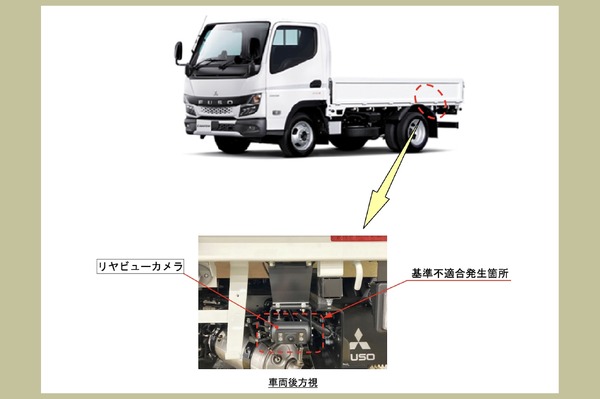
In Japan, Mitsubishi Fuso Truck and Bus recalled three vehicle types, including the Canter, Fighter, and Super Great, due to a rear-view camera malfunction that prevents the display of the area directly behind the vehicle during reversing. The recall was filed with the MLIT on October 8.
Context & numbers
- Toyota SDV Goal: 50 models by 2030.
- Subaru Development Speed: Targeting 40% faster development times.
- Hyundai Recall Size: 94,600+ vehicles.
- China Regulation: A draft regulation from four Chinese ministries requires automakers to fully validate braking and ADAS innovations before public announcement starting January 1, 2027, aiming to restrict "ship first, OTA fix later" practices.
On the radar
- VW ID.4 Charging Limit: In the US, some VW ID.4 owners are receiving notices to limit charging to 80% until a repair solution is available, following an NHTSA recall.
- Tesla FSD Investigation: A Digital Trends report highlights five years of recalls and police car hits related to Tesla's self-driving tech, questioning the understanding of its limits.
- China DMS Mandate: Starting January 1, 2027, China's GB47955-2026 standard will mandate "risk mitigation" functions in combined driving assistance systems, including driver state monitoring.
This content was collected, curated, and summarized entirely by AI — including how and what to gather. It may contain inaccuracies. Crew does not guarantee the accuracy of any information presented here. Always verify facts on your own before acting on them. Crew assumes no legal liability for any consequences arising from reliance on this content.
Powered by
