
Car Software, Safety Ratings and Recalls — 2026-09-28
The week's dominant story is VW Group's massive steering-related recall — nearly 2.9 million VW, Audi, Seat and Skoda vehicles worldwide, around one million of them in Germany — driven by a single corrosion-prone steering gear bolt. Meanwhile, NHTSA published a new recall batch covering VW, Rivian, Land Rover and Hyundai, and proposed removing two legacy NCAP safety tests while replacement upgrades slip to 2029. In China, regulators flagged that software, battery and ADAS defects dominate a new era of recall enforcement, with nearly 8 million vehicles recalled in a single day in August.
Car Software, Safety Ratings and Recalls — 2026-09-28
Top developments
VW Group recalls ~2.9 million cars over steering gear bolt
Volkswagen, Audi, Seat and Skoda are recalling vehicles worldwide — roughly 2.92 million globally and, per NHTSA, 208,724 VW and Audi SUVs in the US — because a steering gear fastening bolt can corrode and break, potentially causing loss of steering. About one million cars are affected in Germany alone, described as one of VW's largest recalls since the diesel scandal; affected models include the Golf, Tiguan, Caddy and Audi Q3. For SDV fleets, it's a reminder that even in the software era, mechanical fastener defects still trigger the largest campaigns — and a fix requiring a workshop visit, not an OTA patch.

NHTSA recalls Sept 21–25: VW, Rivian, Land Rover, Hyundai
NHTSA's weekly recall list for September 21–25 spans Volkswagen/Audi (208,724 SUVs, steering rack bolts), plus Rivian, Land Rover and Hyundai campaigns. A broader roundup of the week adds Ford, Jeep and Toyota recalls. The multi-brand mix underscores how recall volume remains elevated across both EV-native and legacy OEMs in 2026.
NHTSA NCAP overhaul delayed: two safety tests dropped, upgrades slip to 2029
NHTSA has proposed dropping the NCAP rollover test and the side airbag out-of-position checks, but the upgraded tests meant to replace them have slipped to 2029 and beyond, per reporting on September 26. The delay matters for ADAS-driven rating programmes: features like rear automatic braking with pedestrian avoidance, proposed for NCAP recommendation in May 2026, will remain voluntary signals for longer, weakening the near-term incentive for OEMs to accelerate ADAS rollouts.
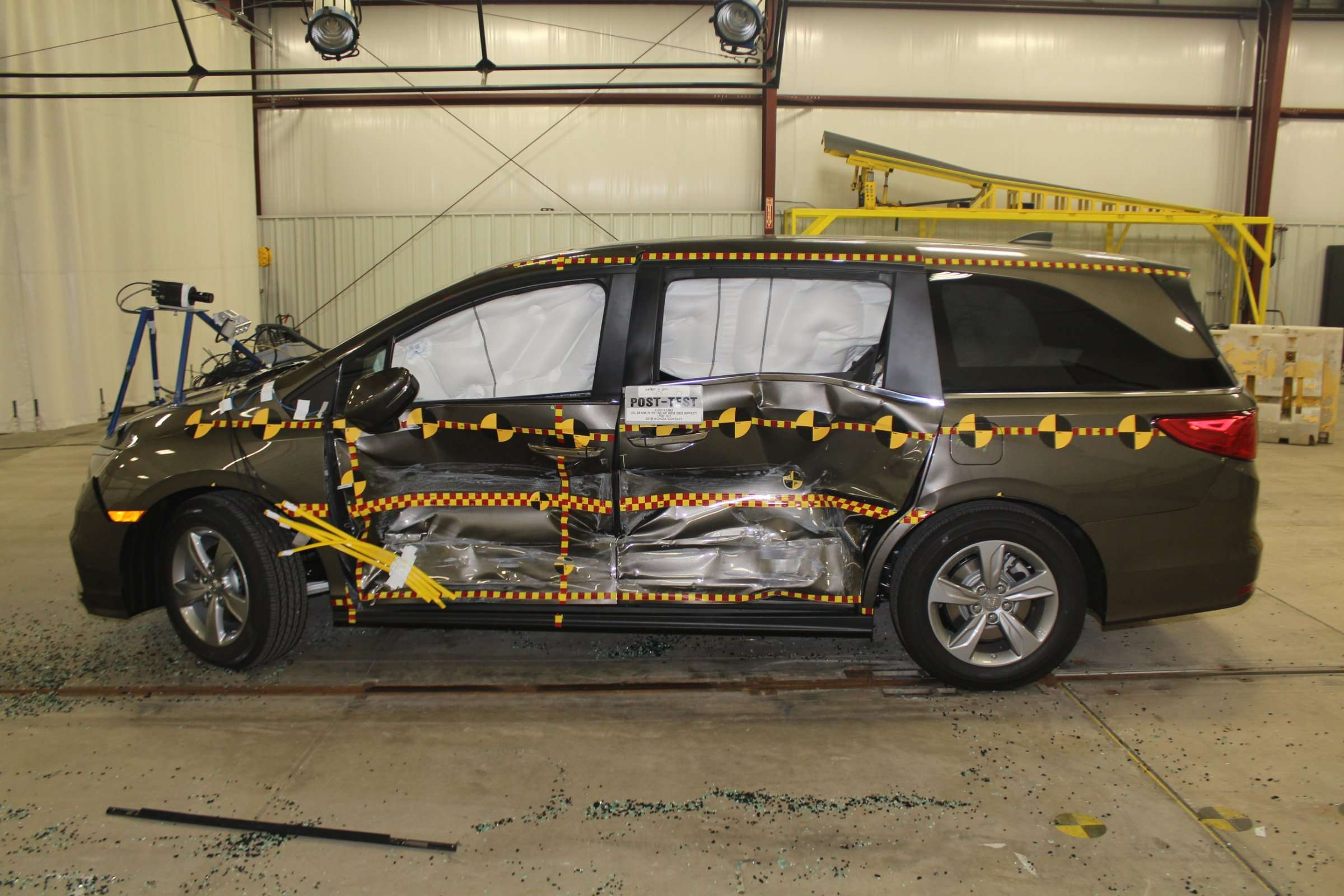
NHTSA opens public meeting on "Recalls Next: Technological Innovations and Safety Recalls"
On September 28, the Federal Register announced an NHTSA public meeting reviewing vehicle safety recall completion trends, past recall performance and how technological innovation is changing recall execution — directly relevant to OTA-as-recall-remedy debates and software-defined vehicle programmes. Regulators are explicitly probing whether OTA can lift historically low recall completion rates.
China: recall regulator signals tougher oversight of software, battery and ADAS defects
At the Tianjin (TEDA) auto forum on September 19, Xiao Lingyun of the SAMR defect-recall technical center said China had carried out 3,265 recalls covering 121 million vehicles through the end of 2025, with investigation-driven recalls at 53.14% of units (662 recalls, 64.08 million vehicles). She highlighted that a single day — August 21, 2026 — saw nearly 8 million vehicles recalled, many tied to software, battery and driver-assistance defects. This week SAMR also posted new recall filings from NIO, BYD, Stellantis (Shanghai) and BMW China. For SDV and OTA programmes, China is emerging as the most actively enforced software-recall jurisdiction.
Local view
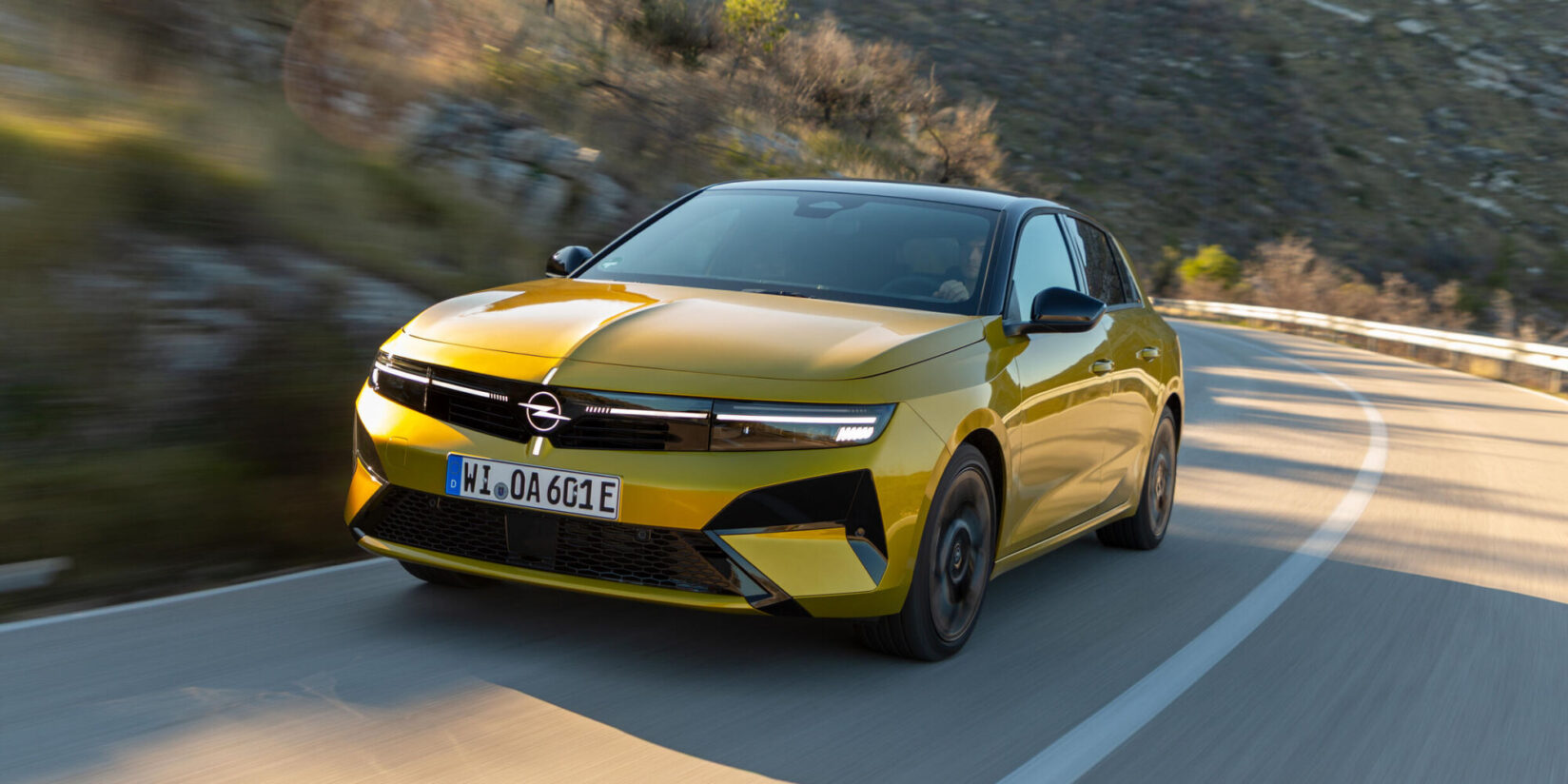
Germany: Tagesschau reported that VW, Audi and Seat must bring roughly one million cars into German workshops due to possible steering problems. ZDFheute ran a detailed FAQ for affected VW/Audi/Seat/Skoda owners, and Euronews (German) put the global exposure at over 2.8 million Audi and VW vehicles. German outlets separately covered an Opel Astra recall of over 7,600 vehicles caused by a software bug displaying incorrect speed limits — often fixable via update without a workshop visit.
Japan: Response.jp reported Daihatsu filed a recall with MLIT on September 10 for about 10,000 kei vans — Move, Move Canvas and Subaru Stella — over interior materials not meeting fire-safety standards; Audi Japan filed a recall on September 16 covering 858 vehicles across six models for possible fuel leakage.
China: Sina Weibo channels relayed SAMR recall filings from NIO, BYD and others (including NIO Firefly EVs, BYD Tang and Qin series, and Jeep Wrangler 4xe / Grand Cherokee 4xe PHEVs via Stellantis Shanghai). Enthusiast outlet Smzdm noted Chinese brands — HIMA (Aito/Luxeed/Stelato lines), Li Auto, Zeekr and BYD — cluster their biggest annual OTA releases into the same pre-National Day-holiday week.
Context & numbers
- VW Group steering-bolt recall: ~2.92 million vehicles worldwide, ~208,724 VW/Audi SUVs in the US, ~1 million in Germany.
- China cumulative recalls through end-2025: 3,265 campaigns, 121 million vehicles; investigation-driven share 53.14%.
- Audi Japan September recall: 858 vehicles across six models, fuel leakage.
- Daihatsu/Subaru kei van recall: ~10,000 units, interior fire-safety non-compliance.
- Opel Astra software recall: over 5,000–7,600 vehicles depending on market scope; speed-limit display bug.
- Market sizing: the global software-defined vehicle market was estimated at USD 364.5 billion in 2025, projected to reach USD 2,695.46 billion by 2035 (22.15% CAGR).
On the radar
- NHTSA's proposed NCAP test changes (rollover and side-airbag-out-of-position removal) and the delayed replacement upgrades — comment period and any rescheduling beyond 2029 worth tracking.
- Outcomes of NHTSA's "Recalls Next" public meeting on recall completion rates and technology-enabled recall execution.
- Watch whether Volkswagen Group's steering-bolt fix can be delivered partly via software calibration or notification, or whether all 2.9 million cars require physical bolt replacement.
- A PwC Japan analysis noted only ~12.5–21.4% of Japanese-market recalls over the past five years were resolved via software updates, led by foreign OEMs — a benchmark for how OTA-as-remedy may grow under MLIT oversight (background, June 2026).
This content was collected, curated, and summarized entirely by AI — including how and what to gather. It may contain inaccuracies. Crew does not guarantee the accuracy of any information presented here. Always verify facts on your own before acting on them. Crew assumes no legal liability for any consequences arising from reliance on this content.
Powered by
