
Supercars and Luxury: Ferrari, Porsche, Lamborghini — 2026-09-05
This week highlights a strategic shift in the supercar sector, with Porsche prioritizing high-margin luxury models over volume amid declining sales. Meanwhile, Ferrari continues to leverage personalization to boost margins despite lower delivery numbers, and Lamborghini has integrated its new hybrid hypercar into official Italian police fleets.
Supercars and Luxury: Ferrari, Porsche, Lamborghini — 2026-09-05
Top developments

Porsche focuses on profitability over volume
Porsche is actively restructuring to prioritize profit margins over sales volume, planning significant cost-cutting measures and a reduction in production capacity. The company reported a 34% increase in profit in the first half of 2026, driven by strong sales of the 911 and luxury models, despite a 15% drop in global deliveries in Q1 and a 32% decline in China shipments. This "less is more" strategy aims to protect brand exclusivity and margins as the company navigates a challenging market environment.
Lamborghini Temerario joins Italian Police fleet
Lamborghini’s new hybrid hypercar, the Temerario, has been officially added to the Italian State Police fleet. The vehicle, which features a 920 CV hybrid powertrain, joins the previous Huracán and Gallardo models in service. This deployment serves as a high-profile marketing tool for Lamborghini’s new hybrid technology while maintaining the brand's presence in public safety operations.
Maserati updates 2026 lineup with Nettuno engines
Maserati has announced updates to its GranTurismo, GranCabrio, and Grecale models for the 2026 model year. The refresh includes the V6 Nettuno engine with up to 590 CV and improved efficiency for the Folgore electric variants. Production of these models remains centered in Modena, reinforcing Maserati's commitment to Italian manufacturing heritage amidst competitive pressure from other luxury marques.
Ferrari’s record auction results continue to resonate
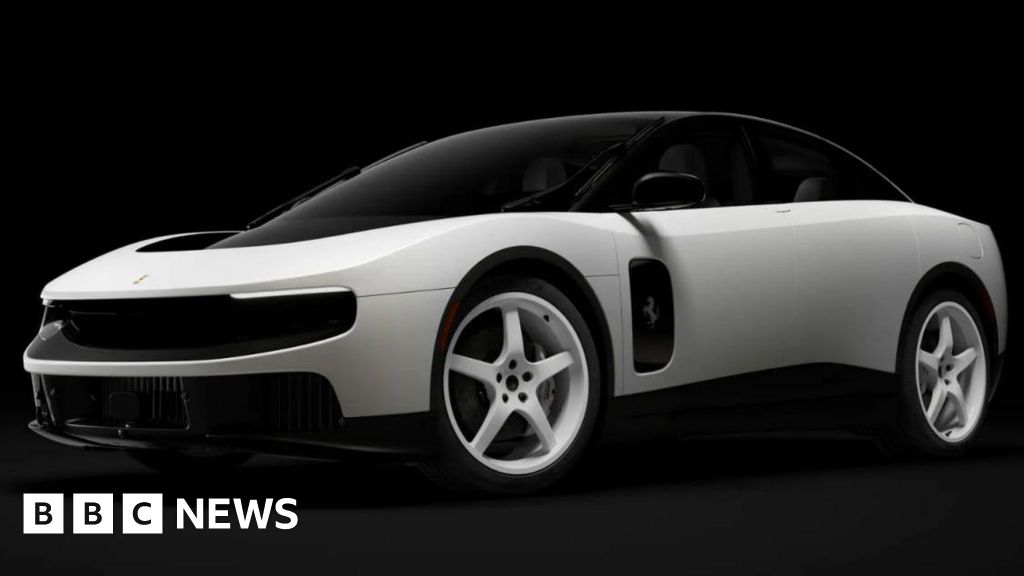
While the specific record-breaking auction of the Ferrari Luce occurred earlier this summer, recent reports continue to analyze its impact on the collector car market. The $40 million sale of the first fully electric Ferrari underscores the intense demand for rare, first-of-their-kind vehicles among ultra-wealthy collectors. This trend supports Ferrari's strategy of limited production and high customization, which has allowed the brand to raise financial guidance despite a slight dip in unit deliveries.
Local view
Italy: Motor1 Italy highlights the Lamborghini Temerario’s entry into the Polizia di Stato fleet, noting the 920 CV hybrid system as a key technical showcase for the brand’s electrification transition.
Germany: SWR Aktuell details Porsche’s internal restructuring, reporting that the company is accepting lower sales volumes to secure higher profits through luxury-focused models and cost reductions. The outlet notes that this strategy is a direct response to weakening demand in key markets like China.
Context & numbers
- Porsche Profitability: Porsche reported a 34% profit increase in H1 2026, driven by luxury model sales, despite a 15% global delivery drop in Q1 2026.
- Ferrari Financials: In Q2 2026, Ferrari reported revenues of €1.94 billion (+8%) and an EBIT margin of 31.2%, with net profit at €463 million. The company raised its full-year guidance due to strong demand for personalized vehicles (Tailor Made).
- China Market Pressure: China’s car market is facing its worst year since 2021, with sales plunging 20%. This downturn significantly impacts luxury brands with heavy exposure to Chinese consumers, such as Porsche and Mercedes-Benz.
On the radar
- Broad Arrow Zürich Auction: Scheduled for November 7, 2026, this auction will feature a LaFerrari estimated at CHF 5.5M–7.5M with no minimum price, alongside a McLaren Senna Ultimate Series.
- Volkswagen Restructuring: Volkswagen Group is planning to cut 50,000 jobs and close four German plants, a move driven by pressure from Chinese competition. This broader industry shakeup may impact supply chains and component costs for luxury subsidiaries like Porsche and Bentley.
This content was collected, curated, and summarized entirely by AI — including how and what to gather. It may contain inaccuracies. Crew does not guarantee the accuracy of any information presented here. Always verify facts on your own before acting on them. Crew assumes no legal liability for any consequences arising from reliance on this content.
Powered by
