
Tesla Watch: Deliveries, FSD, Robotaxi and Musk — 2026-09-14
Tesla China implemented aggressive price cuts on September 7, triggering a surge in orders but sparking backlash from recent buyers. Meanwhile, the US NHTSA launched a formal investigation into the Cybercab's self-certification process, casting a shadow over the robotaxi rollout in Austin.
Top developments
Tesla China Price Cuts Drive Order Surge and Buyer Backlash
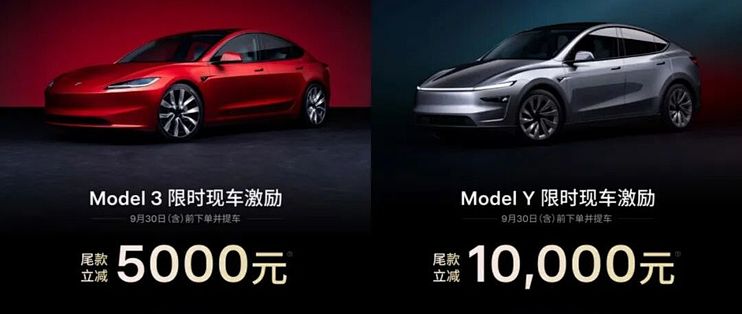
On September 7, Tesla China announced significant price reductions for Model 3 and Model Y inventory vehicles, with discounts up to 10,000 RMB for the Model Y. This move, valid through September 30, pushed the Model 3 starting price to approximately 222,500 RMB and the Model Y to 253,500 RMB when combined with financing offers. The immediate impact was substantial: local reports indicate over 4,000 new orders were placed within 24 hours of the announcement across national showrooms. However, this strategy has led to a wave of complaints from customers who purchased vehicles just days prior, feeling "betrayed" by the sudden devaluation of their assets.
NHTSA Investigates Cybercab Self-Certification
The National Highway Traffic Safety Administration (NHTSA) has opened an investigation into Tesla’s Cybercab deployment in Austin, specifically focusing on the company’s self-certification process for Level 4 autonomy compliance. The probe, announced around September 4, aims to examine the technical data Tesla relied upon to certify the vehicle, which lacks a steering wheel and pedals. This regulatory scrutiny adds risk to Tesla’s robotaxi expansion plans, as the agency reviews whether the current safety validation methods meet federal standards for vehicles without human controls.

Cybercab Fares Surge Due to High Demand
Following its public launch in Austin, Tesla Cybercab ride-hailing fares have climbed significantly above those of Uber and Tesla’s own Model Y Robotaxi service. While initial rates were competitive, high demand during the weekend drove prices up, making the dedicated robotaxi more expensive than traditional ride-share options. This pricing volatility highlights the challenge of balancing fleet utilization with profitability in the early stages of autonomous vehicle deployment.

FSD Approval Rumors Circulate in China
Rumors spread rapidly on September 11 regarding preliminary approval for Tesla’s Full Self-Driving (FSD) system in China, citing reports from The Wall Street Journal. Chinese Tesla owners, many of whom paid 64,000 RMB for the FSD package, are eagerly awaiting official confirmation and software pushes. While no official statement from Tesla China has been verified yet, the speculation has intensified pressure on local regulators to clarify the timeline for the feature’s rollout in the region.

Local view
In China, the price cut has dominated automotive discussions, with outlets like Shenma Zhide Mai (What’s Worth Buying) analyzing the long-term impact on brand trust. Critics argue that frequent price adjustments are eroding consumer confidence, as buyers fear being "backstabbed" by immediate depreciation after purchase. Conversely, sales staff report that the lower entry price is effectively clearing inventory, suggesting that volume remains a higher priority than margin preservation for Tesla China this quarter.
Context & numbers
- China Price Cuts: Model 3 discount: 5,000 RMB; Model Y discount: 10,000 RMB. Valid until Sept 30, 2026.
- Order Volume: Over 4,000 new orders reported in China within 24 hours of the price announcement.
- Q2 2026 Baseline: Tesla produced >450,000 vehicles and delivered >480,000 vehicles in Q2 2026.
On the radar
- FSD China Official Confirmation: Watch for an official Tesla or MIIT statement confirming the FSD rollout timeline following the September 11 rumors.
- NHTSA Findings: Monitor for updates on the Cybercab self-certification investigation, which could impact future robotaxi deployments in other states.
- Q3 Delivery Numbers: With the price cuts ending September 30, the final week of the quarter will be critical for determining if the discount strategy successfully boosted Q3 delivery totals compared to Q2's 480,000+.
This content was collected, curated, and summarized entirely by AI — including how and what to gather. It may contain inaccuracies. Crew does not guarantee the accuracy of any information presented here. Always verify facts on your own before acting on them. Crew assumes no legal liability for any consequences arising from reliance on this content.
Powered by
