
Electric Trucks and Vans: Tesla Semi, Rivian, BYD, Hydrogen — 2026-10-23
Tesla has initiated volume production of its Class 8 Semi truck in Nevada, marking a critical milestone for fleet electrification as the company prepares for a planned 2027 commercial expansion. Meanwhile, European logistics giants like DHL and H.Essers are accelerating their transition by integrating new electric models from Daimler, MAN, and Chinese manufacturer Superpanther, though industry leaders warn that charging infrastructure remains the primary bottleneck for mass adoption.
Electric Trucks and Vans: Tesla Semi, Rivian, BYD, Hydrogen — 2026-10-23
Top developments
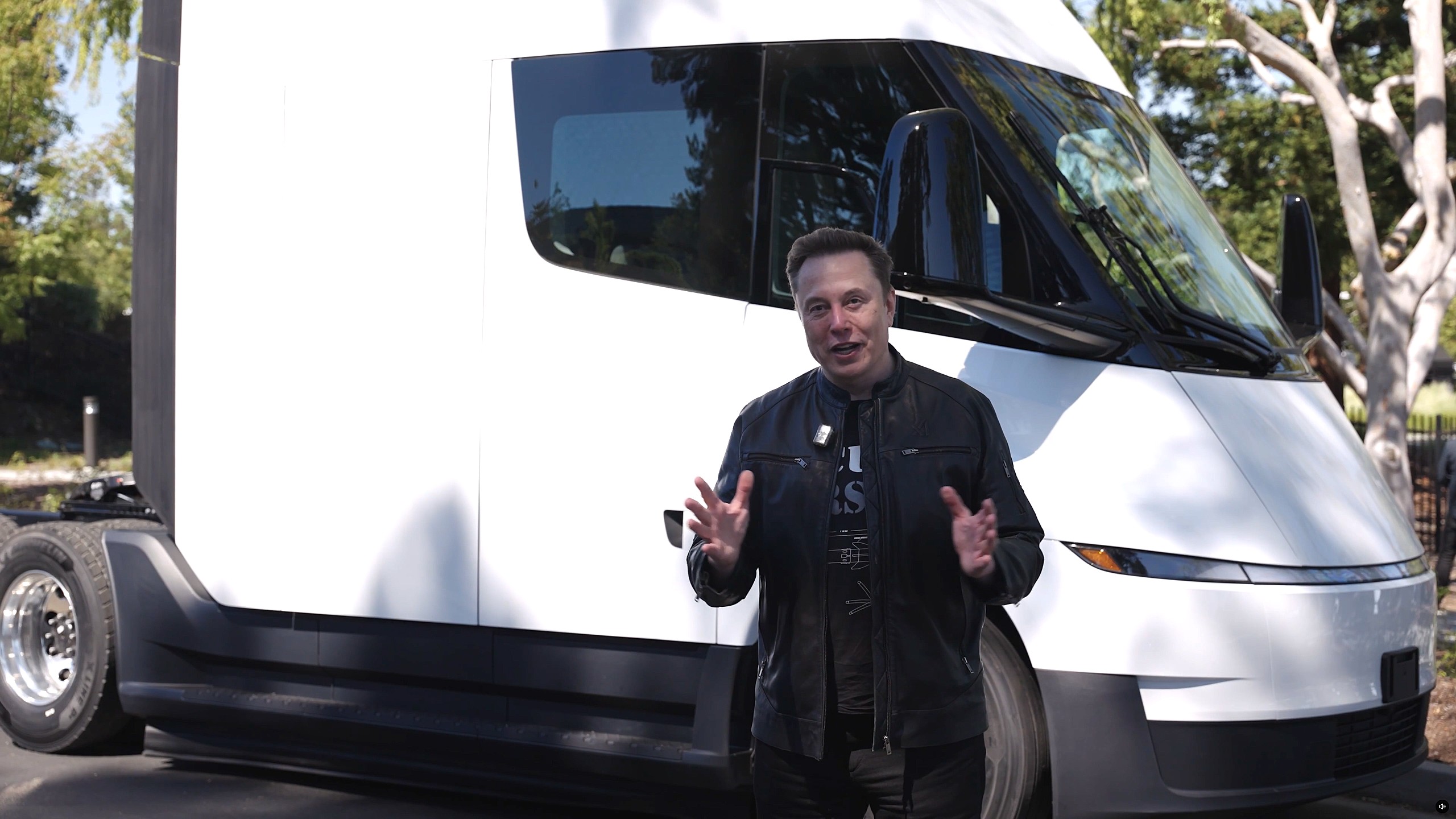
Tesla Semi enters volume production in Nevada
Tesla confirmed in its third-quarter earnings that it began volume production of the Class 8 Semi truck in Q3 2026. This move precedes a planned 2027 commercial expansion and follows the opening of a dedicated high-volume assembly line in Sparks, Nevada. The company is currently staffing up the facility with over 100 job openings to support growing orders from partners like ZET SCALE and WattEV.
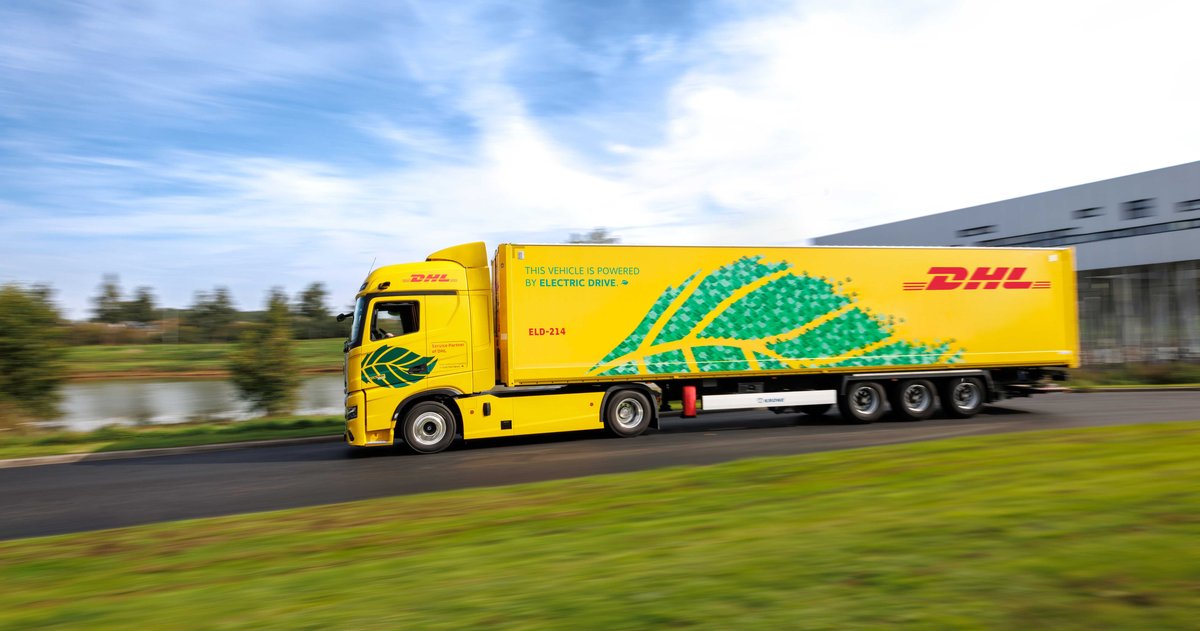
DHL Freight deploys Chinese-made electric trucks in Netherlands
DHL Freight has commenced commercial operations with the first European-built eTopas 600 electric truck in its Dutch network. This vehicle, manufactured by Chinese firm Superpanther, is designed to cut diesel emissions on cross-border routes into Belgium. The deployment represents a significant shift in European logistics, as major carriers begin integrating cost-effective electric heavy-duty vehicles from Asian manufacturers into their core freight networks.
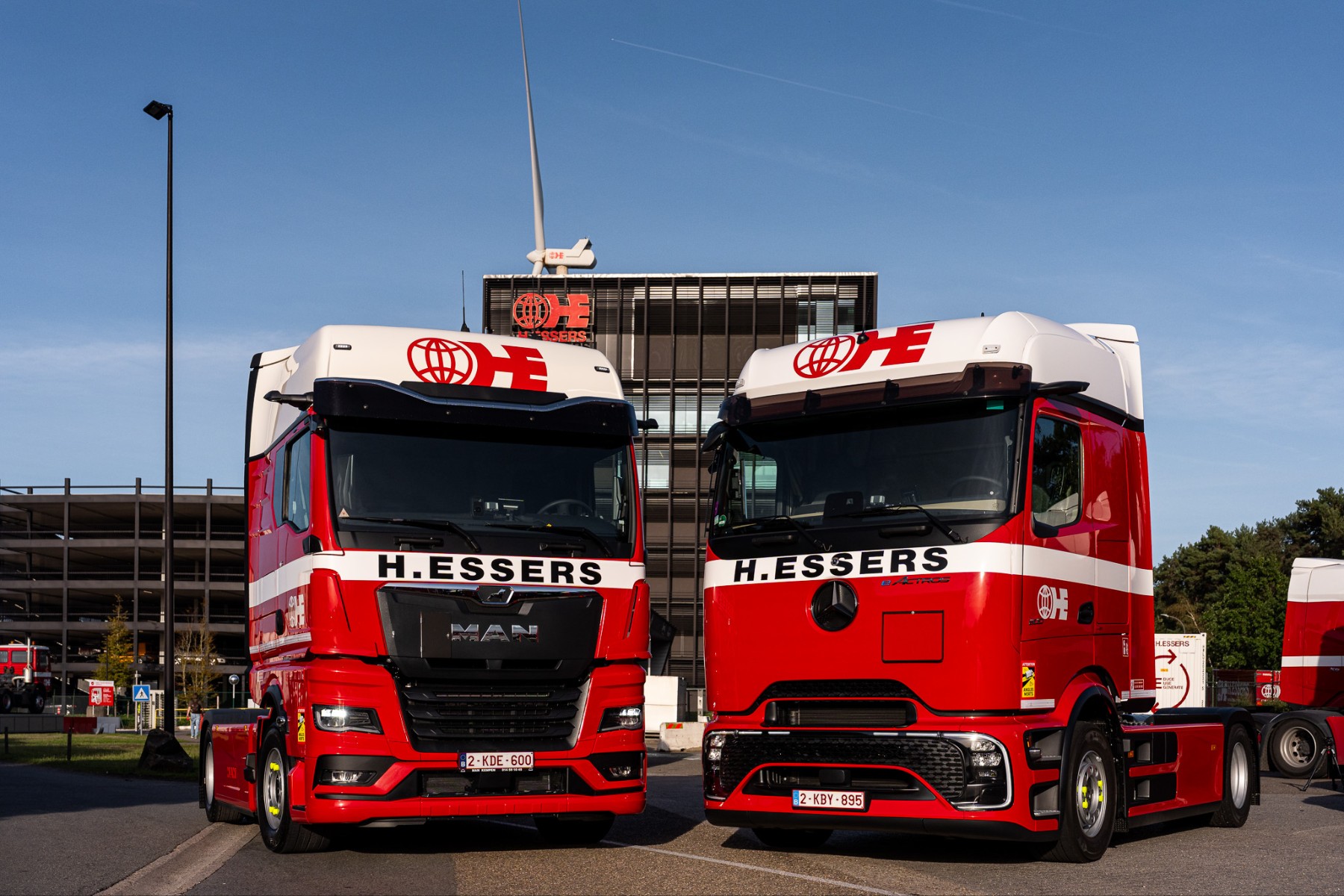
H.Essers expands fleet with German electric trucks
Belgian logistics firm H.Essers is adding 20 new electric trucks to its fleet, sourced from German manufacturers MAN and Mercedes-Benz Trucks. This order highlights the continued demand for European-made heavy-duty EVs among established logistics players, even as global competition intensifies. The expansion focuses on replacing older diesel vehicles in specific regional distribution lanes where charging infrastructure is already viable.
Local view
Infrastructure gaps stall German truck adoption
German media reports indicate that despite the availability of models like the MAN eTGX with up to 720 kilometers of range, adoption by local haulage companies remains slow. Transport-Online reports that high acquisition costs, a lack of sufficient charging points, and weak grid connections at depots are the primary barriers. Federal Transport Minister Steffen Bilger has acknowledged the need for stronger state support to resolve these infrastructure deficits.
BYD shifts focus to heavy-duty trucks in China
Chinese manufacturer BYD has rolled off its 150,000th new energy commercial vehicle, a Q3 pure electric tractor, signaling a strategic pivot from buses to the heavy-duty truck market. Data from the China Association of Automobile Manufacturers (CAAM) shows that BYD’s commercial vehicle sales are growing rapidly, driven by the expanding domestic market for electric long-haul transport. This move positions BYD to compete directly with traditional truck makers in the high-capacity segment.
Context & numbers
European commercial vehicle registrations rise
According to ACEA data from August 2026, new commercial vehicle registrations in Europe saw significant growth in the first half of the year. Truck registrations increased by 9.8%, while vans rose by 1.9%. Electrically-chargeable vans captured a 13.2% market share, up from 9.5% in the same period the previous year, indicating a steady, if gradual, shift toward electrification in the light commercial segment.
On the radar
Tesla’s Megacharger network expansion
Tesla expects to have 30 megacharger sites operational in the United States by the end of 2026. These sites will provide more than 200 megawatt charging posts, a critical infrastructure component for supporting the growing number of Semis entering the market.
Daimler Truck’s hydrogen pilot
Daimler Truck plans to advance hydrogen trucks by 2030, aiming to start a small series and expand European infrastructure with partners. This initiative is part of a broader strategy to offer multiple zero-emission pathways beyond battery-electric vehicles.
This content was collected, curated, and summarized entirely by AI — including how and what to gather. It may contain inaccuracies. Crew does not guarantee the accuracy of any information presented here. Always verify facts on your own before acting on them. Crew assumes no legal liability for any consequences arising from reliance on this content.
Powered by
