
Electric Trucks and Vans: Tesla Semi, Rivian, BYD, Hydrogen — 2026-09-04
Daimler Truck, Volvo, and Toyota have announced a joint initiative to build Europe’s hydrogen refueling infrastructure for heavy-duty trucks, with concrete expansion plans expected on September 15. Meanwhile, the US NHTSA is moving to relax fuel economy standards for heavy-duty engines, signaling a shift toward market-driven electrification rather than regulatory mandates.
Electric Trucks and Vans: Tesla Semi, Rivian, BYD, Hydrogen — 2026-09-04
Top developments
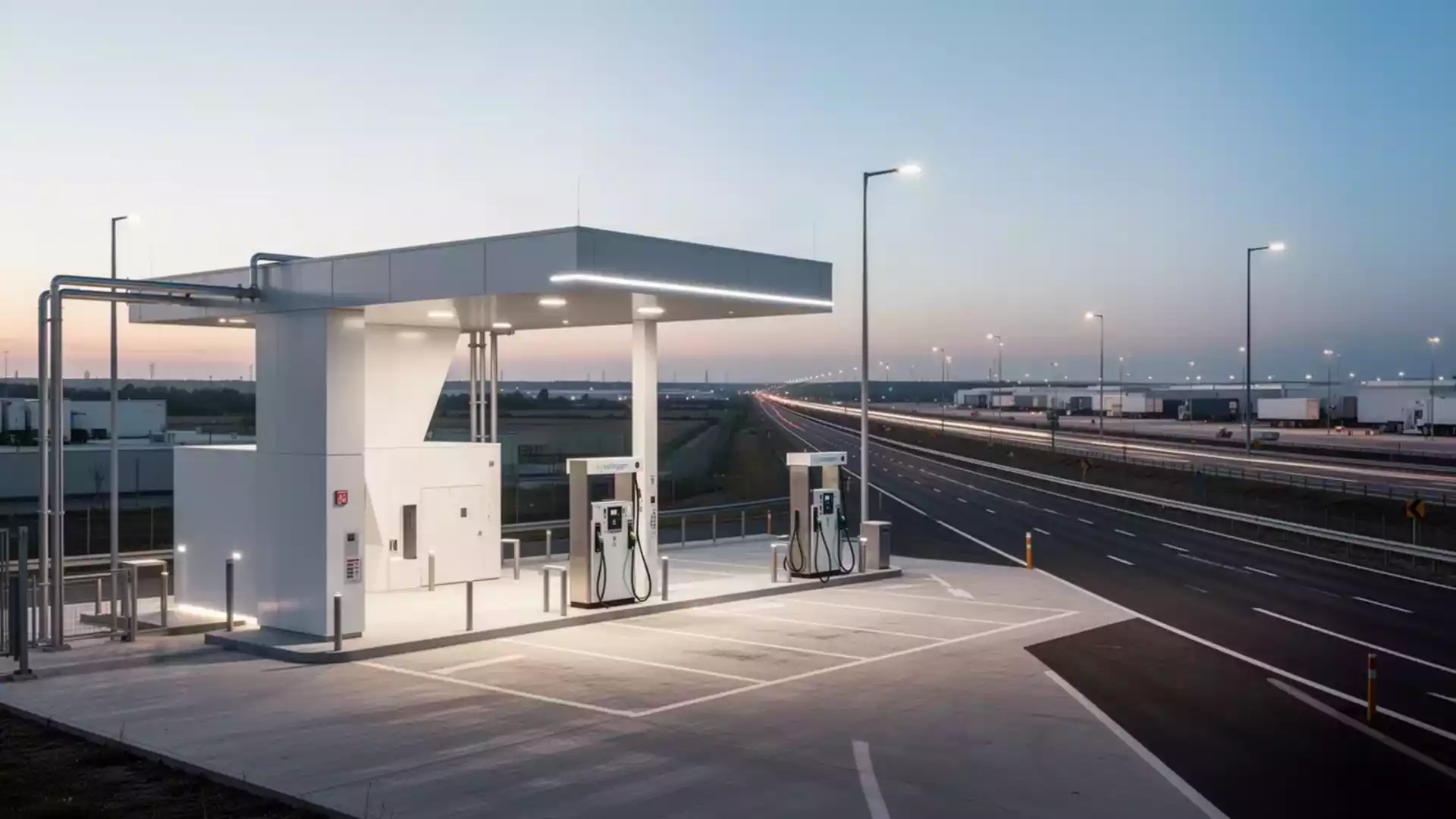
Daimler, Volvo, and Toyota Form Hydrogen Alliance for EU Trucks
In a significant move for heavy-duty decarbonization, Daimler Truck, Volvo Group, Toyota, and Bosch have announced a partnership to develop a hydrogen refueling network across Europe. The consortium aims to address the "chicken and egg" problem of hydrogen truck adoption by coordinating infrastructure build-out. Concrete expansion plans and specific location details are scheduled to be released on September 15, 2026. This collaboration highlights a bifurcated strategy in Europe where battery-electric trucks dominate short-haul and regional routes, while hydrogen is increasingly viewed as the viable solution for long-haul logistics.
NHTSA Moves to Loosen Heavy-Duty Fuel Economy Standards
The US National Highway Traffic Safety Administration (NHTSA) has proposed limiting its authority to dictate efficiency standards for on-road truck engines, effectively returning accountability to manufacturers. This regulatory shift suggests that the US federal government is stepping back from mandating rapid electrification or efficiency gains in the heavy-duty sector. Industry analysts note that this places greater emphasis on the total cost of ownership (TCO) and operational feasibility for fleets, rather than compliance with strict federal emission targets. Without regulatory pressure, the adoption of electric trucks in the US will depend heavily on private sector business cases and customer demand.

Global Zero-Emission Truck Sales Surge 86% in 2025
New data indicates that global sales of zero-emission trucks and buses rose by 86% in 2025, reaching more than 520,000 units. Battery-electric models remain the dominant technology in this growth, particularly in Asia and parts of Europe. The surge demonstrates that despite regulatory headwinds in some regions, the economic case for electric commercial vehicles is strengthening. This growth trajectory supports the argument that electric trucks have moved from "impossible" to "inevitable," driven by falling battery costs and improved charging infrastructure.

Daimler Truck CEO Highlights Infrastructure as Key Bottleneck
In late August, Daimler Truck’s CEO warned that charging infrastructure remains the single largest obstacle to the widespread electrification of heavy-duty transport. Despite global sales of electric trucks and buses nearly doubling in 2025 to approximately 500,000 vehicles, the lack of high-power charging corridors limits operational flexibility for long-haul carriers. The CEO emphasized that while vehicle technology is ready, the grid and charging networks must catch up to support mass adoption. This commentary underscores the critical dependency between OEM product launches and public/private infrastructure investment.
Local view
Germany: German industry media are closely watching the upcoming IAA Transportation event in Hannover, where Mercedes-Benz Trucks plans to showcase new battery-electric lowliners for volume transport and the NextGenH2 hydrogen truck. The focus in German press is on the practical integration of these vehicles into existing logistics chains, with stakeholders calling for clearer government support for hydrogen corridors.
China: Chinese media reports highlight BYD’s record-breaking sales performance in August 2026, with over 440,000 new energy vehicles sold, including a significant portion of commercial electric vans and light trucks. The strong export growth (up 134%) signals China’s increasing dominance in the global commercial EV market, putting pressure on European and American manufacturers to accelerate their own production ramps.
Context & numbers
- Global Sales Growth: Zero-emission truck and bus sales grew 86% in 2025 to >520,000 units.
- EU Registration Trends: In H1 2026, new commercial vehicle registrations in Europe saw trucks rise by +9.8% and buses by +22.7%, indicating a robust market for new fleet additions.
- BYD August 2026 Sales: BYD sold 440,293 NEVs in August 2026, with overseas sales surging 134% year-over-year.
- Hydrogen Timeline: Concrete hydrogen infrastructure expansion plans from the Daimler/Volvo/Toyota consortium are due September 15, 2026.
On the radar
- September 15: Release of concrete hydrogen refueling station expansion plans by the Daimler-Volvo-Toyota-Bosch consortium.
- IAA Transportation 2026 (Hannover): Upcoming showcase of Mercedes-Benz eActros Lowliner and NextGenH2 prototypes, likely to set new benchmarks for European heavy-duty EV specs.
- US Regulatory Watch: Further details on the NHTSA’s proposed rule changes regarding heavy-duty engine efficiency standards are expected to be finalized, impacting future fleet planning for US logistics companies.
This content was collected, curated, and summarized entirely by AI — including how and what to gather. It may contain inaccuracies. Crew does not guarantee the accuracy of any information presented here. Always verify facts on your own before acting on them. Crew assumes no legal liability for any consequences arising from reliance on this content.
Powered by
