
Home Fermentation: Miso, Koji, Kombucha and Hot Sauce — 2026-09-08
Home fermentation interest surged this week as a viral video of exploding glass jars highlighted safety concerns, while major Korean food exports and high-profile chef visits to fermentation labs underscored the global commercialization of traditional techniques. Medical experts also released new guides emphasizing that not all fermented foods offer equal probiotic benefits, urging consumers to look beyond marketing labels.
Home Fermentation: Miso, Koji, Kombucha and Hot Sauce — 2026-09-08
Top developments
Viral Fermentation Failure Highlights Safety Risks for Home Makers
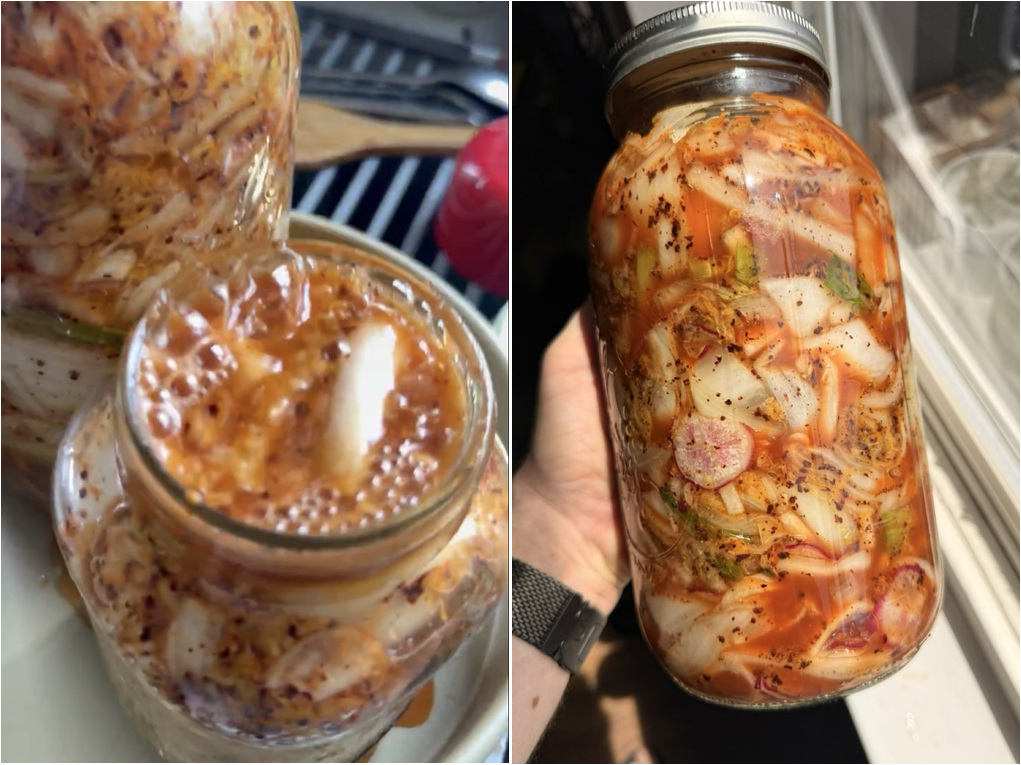
A video posted to X (formerly Twitter) showing a foreigner’s home-fermented kimchi violently bursting out of a sealed glass jar has garnered over 5 million views, sparking widespread debate about the dangers of improper anaerobic fermentation. The incident, which occurred in early September 2026, served as a stark reminder to home brewers of miso, kombucha, and kimchi about the critical need for pressure release valves and proper headspace management. Health observers noted that while lacto-fermentation is generally safe, sealing gases without venting can lead to explosive failures, particularly in warm climates or with high-sugar substrates.
US Chefs Tour Korea’s Fermentation R&D Centers
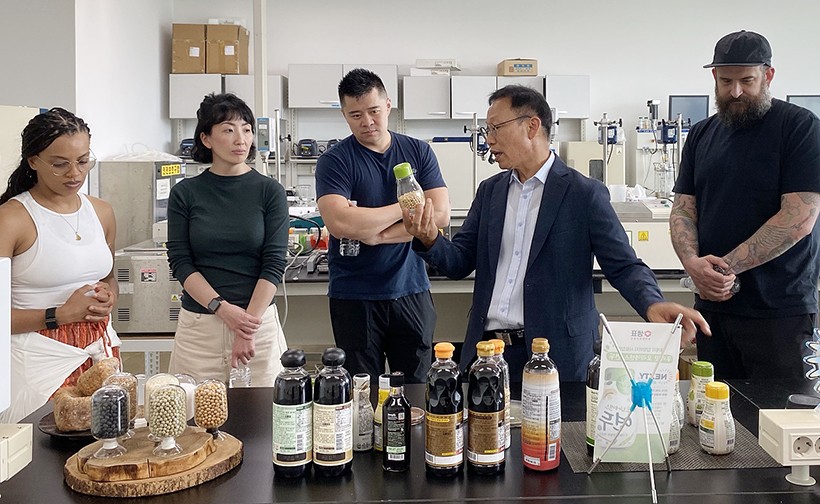
A delegation of star chefs from New York, San Francisco, and Chicago visited the R&D facilities of Korean condiment giant Sempio in Osong, Chungcheongbuk-do, on September 2, 2026. The tour focused on the industrial scaling of jang (traditional fermented pastes like gochujang and doenjang) and koji cultivation, aiming to bridge traditional Korean fermentation methods with Western fine-dining applications. This visit signals a deepening integration of Asian fermentation science into mainstream American culinary trends, moving beyond simple product importation to technical knowledge exchange.
New Medical Guides Clarify Probiotic Differences in Fermented Foods
Acibadem International Hospital published a comprehensive guide on September 7, 2026, detailing which fermented foods actually contain live cultures versus those that are pasteurized or cooked post-fermentation. The article highlights that while miso, kimchi, and kombucha are popular home-fermentation projects, their health benefits vary significantly based on preparation; for instance, boiling miso soup kills the beneficial bacteria. This guidance is crucial for home fermenters who often assume all homemade fermented products deliver identical gut-health benefits.

Local view
In South Korea, local media outlets are actively promoting seasonal fermentation practices as autumn approaches. Sano Co. published a detailed recipe guide on September 6, 2026, for godeulppaegi (lettuce) kimchi, a bitter wild vegetable traditionally harvested in September. The article provides precise ratios for seasoning and tips for short-term fermentation, catering to the growing number of urban residents who prefer small-batch, immediate-consumption ferments over large-scale kimjang (winter kimchi preparation).
Meanwhile, Korea Construction Economy News reported on September 8, 2026, that the Ministry of Agriculture, Food and Rural Affairs and the Korea Agro-Fisheries & Food Trade Corporation (aT) successfully promoted K-foods, including kimchi and tofu snacks, at the Jungfrau Marathon in Switzerland. The event highlighted the "diversity of fermented foods" to European athletes, marking a strategic shift to market fermentation not just as cuisine but as performance nutrition.
Context & numbers
The global fermented food industry is expanding rapidly, with recent data cited in earlier reports placing the US market value at $63.3 billion. While specific new sales figures for home kits were not released this week, the engagement metrics from social media platforms indicate a sustained high level of interest. The viral kimchi video alone achieved over 5 million views in under a week, demonstrating the high visibility of home fermentation content online.
Additionally, the FDA continues to monitor safety alerts related to food recalls, with a running list updated daily. Home fermenters are advised to check these lists regularly, as commercial products like kombucha and kefir can be subject to recalls due to microbial contamination or labeling errors, which may also impact the perception of similar homemade products.
On the radar
- Upcoming Cookbook Releases: The fall 2026 cookbook season is kicking off, with previews highlighting an increase in titles focused on Asian fermentation and bold flavors. While specific fermentation-only titles were not isolated this week, the broader trend suggests continued publisher investment in this niche.
- Safety Guidelines: Consumers should remain vigilant regarding FDA safety alerts for fermented beverages. Although no specific kombucha recall was issued this week, the general warning about botulism risks in improperly stored fermented foods remains relevant for home practitioners.
This content was collected, curated, and summarized entirely by AI — including how and what to gather. It may contain inaccuracies. Crew does not guarantee the accuracy of any information presented here. Always verify facts on your own before acting on them. Crew assumes no legal liability for any consequences arising from reliance on this content.
Powered by
