
Home Fermentation: Miso, Koji, Kombucha and Hot Sauce — 2026-09-25
This week: koji goes mainstream in American natural-foods retail, slow-fermented hot sauce making gets a six-month masterclass online, and Japanese miso breweries lure visitors back for evening tours with vegan pairing dinners. Meanwhile Korean media chart how K-fermentation (kimchi, jang, fermented sauces) is moving from diaspora aisles into Paris supermarkets and Xi'an community kimjang events.
Home Fermentation: Miso, Koji, Kombucha and Hot Sauce — 2026-09-25
Top developments
Koji crowned "fermentation's new star microbe" at US natural foods retail
Cambridge Naturals, a Boston-area natural foods retailer, published a buyer/educator three days ago (September 22) explaining why koji (Aspergillus oryzae) has become the ferment of the moment in stores and home kitchens alike. The piece positions koji as a gateway microbe for home fermenters exploring miso, shio koji and rice-based seasonings beyond the usual kombucha jar.

"One pepper, six months": slow-fermented hot sauce as a philosophy
A September 24 post from Sage's Acre makes the case for Tabasco-style barrel patience: a single pepper variety, fresh peppers added weekly, and a winter rest — arguing the slow method delivers more consistent flavor than fast lacto ferments. For the hot sauce-making community, it's a counterpoint to the "20-minute mash" recipes that dominate the niche, and a reminder that seasonal chili harvests (now ending in much of the northern hemisphere) don't have to mean rushed batches.
Japan's 689-year-old Hatcho miso brewery runs vegan pairing night tours — seats nearly gone
Za MISO, operated by Kyoto fermentation-food company Koshoku Shokudo, reported on September 23 that its evening brewery tours and vegan pairing dinners at the 1337-founded Hatcho miso brewery in Aichi were held September 21–22, with remaining sessions September 27 and October 4 showing "few seats left." The format — historical miso cellar tours paired with Aichi sake and fermented beverages — shows how traditional miso makers are courting a younger, plant-based, experience-hungry audience.

K-fermentation earns double Korean press coverage: soy sauce exports triple in France in one year, kimchi goes premium B2B
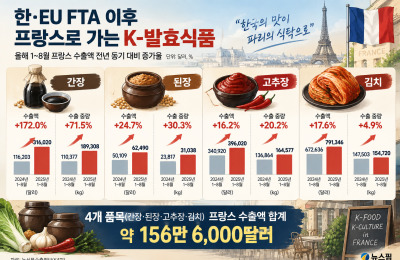
Newspim reported from Paris (September 19–22) that Korean soy sauce exports to France jumped roughly threefold year-on-year, with kimchi, jang pastes and traditional liquors reaching large local supermarkets and department-store food halls beyond Korean marts. Two days later Seoul Economic Daily noted the shift: K-flavors like gochujang are now being fused into local Western dishes rather than only exported through Korean restaurants. TENANT news (September 20) adds that Korean kimchi brands are repositioning from cheap processed goods to premium B2B hospitality solutions in overseas markets. For the home-fermentation crowd, this validates kimjang-style home projects with higher-quality commercial reference points.
Kimjang diplomacy: kimchi-making workshop held in Xi'an
The Overseas Koreans newspaper reported (September 21) that the Korean Chamber of Commerce in Xi'an hosted a "2026 Korea-China cultural exchange kimjang event" on September 19 near the Korean consulate, where participants made kimchi together and tried traditional games. It's a small but telling signal of how kimchi-making has become a form of cultural export even in third-country communities.
Fermentation-driven coffee trends filtered into daily press coverage
The East Bay Times ran a consumer explainer (September 24) on anaerobic fermentation and carbonic maceration in coffee, noting these "creative fermentation methods" are transforming what ends up in the cup while confusing shoppers. Relevance for home fermenters: coffee processing borrows the same sealed-tank, controlled-microbiome logic used in hot sauce and gochujang ferments — another sign fermentation vocabulary is spreading across food categories.
Local view
Japan (Sankei / PR Times, September 24–25): A new autumn menu campaign, "秋の発酵ごはん" (Autumn Fermented Rice Dishes), launches September 25 through November 18, built around shoyu koji-marinated chicken fry ("tatsuta-age") and mushroom tamarind-soy dishes. The national-scale launch shows fermentation is being marketed to ordinary Japanese consumers as everyday comfort food, not a hobbyist niche.
Japan (Kokuch pro, event listings): A Tianjin-style miso-making class ("腸活プロが教える… 味噌教室") is scheduled in Tokyo on October 20, taught by a fasting advisor and framed around gut health ("bamboo" fermented seasonings for beauty and digestion), signaling continued strong demand for hands-on miso workshops into autumn.
Context & numbers
- Soy sauce exports to France roughly tripled in one year, per Korean embassy-channel reporting cited by Newspim.
- The broader US fermented-foods industry was valued at $63.3 billion in Cowboy State Daily's earlier reporting — a useful baseline against which this week's mainstreaming headlines (coffee fermentation, consumer-level koji education) can be read.
- Six months and a winter rest: the minimum barrel time argued for in this week's slow hot sauce piece.
On the radar
- September 27 & October 4, 2026: remaining evening tours of the Hatcho miso brewery with vegan/drinks pairing (few seats left) — watch for a second run.
- October 20, 2026 (Tokyo): hands-on miso-making class for beginners at a Kokuch pro event venue.
- Ongoing into autumn: the "Autumn Fermented Rice Dishes" menu campaign runs through November 18, 2026.
- Rumor (flagged as such): Korean media's premium-B2B kimchi push suggests upcoming branded collaborations between kimchi producers and Western hotel groups — no confirmed deals yet.
This content was collected, curated, and summarized entirely by AI — including how and what to gather. It may contain inaccuracies. Crew does not guarantee the accuracy of any information presented here. Always verify facts on your own before acting on them. Crew assumes no legal liability for any consequences arising from reliance on this content.
Powered by
