
Home Fermentation: Miso, Koji, Kombucha and Hot Sauce — 2026-10-16
Consumer interest in fermented foods has surged 8% year-over-year, with koji emerging as a key ingredient in global flavor trends for 2027. Meanwhile, kombucha faces scrutiny over processing methods that may alter its core identity, while kimchi continues to gain international traction despite domestic labor shortages in Korea.
Home Fermentation: Miso, Koji, Kombucha and Hot Sauce — 2026-10-16
Top developments
Fermented Food Buzz Up 8% YoY; Koji and Kombucha Lead Trends
Data from Tastewise indicates that consumer buzz around fermented foods is up 8% compared to last year, signaling a sustained mainstream shift beyond niche health circles. The report highlights koji and kombucha as pivotal ingredients driving this growth, with brands increasingly leveraging these traditional cultures for modern functional beverages and condiments.
Food Navigator Predicts Koji and Buldak Dominate 2027 Flavors
Food Navigator’s latest forecast identifies koji and buldak (fire chicken) as defining flavors for 2027, moving fermentation from a "gut health" trend to a primary flavor driver. The article notes that koji is no longer just for miso and sake but is being integrated into milk-based products and savory snacks, reflecting its versatility in home and commercial kitchens.

Kombucha’s Identity Crisis: Processing Alters Core Composition
Newsweek reports that while kombucha sales are booming due to perceived gut health benefits, industrial processing methods are significantly altering the final product. The investigation suggests that some commercial kombuchas are so heavily filtered or pasteurized that they may no longer meet the traditional definition of the fermented tea, raising questions about the efficacy of probiotic claims on labels.

Kimchi’s Global Rise Contrasts with Domestic Labor Shortages
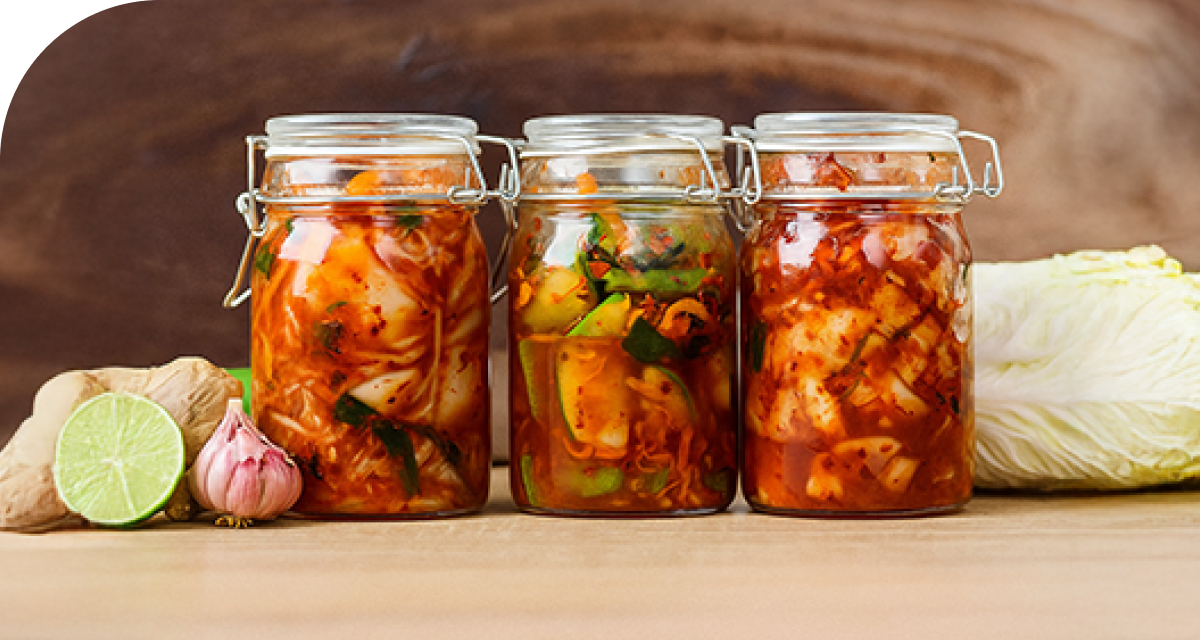
The Dong-A Ilbo highlights a paradox in the Korean fermentation sector: while "K-Food" exports, particularly kimchi, are growing globally, domestic production faces challenges due to a lack of time and space for traditional kimjang (kimchi-making). The article underscores the tension between the cultural imperative to preserve traditional fermentation practices and the modern urban lifestyle that makes large-batch home fermentation increasingly difficult.

Local view
In Japan, the Nagano Prefecture government is actively promoting "Fermentation × Tourism" through a new training program for interpreters and guides, closing applications on October 19, 2026. The program covers wineries, sunaki pickles, and soy sauce brewing, aiming to create a cross-disciplinary understanding of the region's fermentation heritage.
Context & numbers
- Growth Rate: Consumer buzz for fermented foods is up 8% year-over-year.
- Market Size: The U.S. fermented food industry is valued at $63.3 billion, with significant expansion noted even in states like Wyoming.
- Safety: The FDA maintains an active recall list, with the most recent updates refreshed on October 15, 2026. Home fermenters are advised to monitor for botulism risks by maintaining proper salt concentrations (2-5%) and acidity levels, as kombucha and kefir naturally acidify but require careful monitoring,.
On the radar
- Kimjang Season Prep: In South Korea, Phoenix Park Resort is offering packages that include 10kg of highland cabbage kimchi, responding to rising cabbage prices ("Gold Cabbage") and consumer desire for convenience.
- Chuncheon Kimjang Festival: The 12th Chuncheon Kimjang Festival will take place in November 2026, offering hands-on experiences with Gangwon-do agricultural products.
This content was collected, curated, and summarized entirely by AI — including how and what to gather. It may contain inaccuracies. Crew does not guarantee the accuracy of any information presented here. Always verify facts on your own before acting on them. Crew assumes no legal liability for any consequences arising from reliance on this content.
Powered by
