
Italian Cooking Debates: Carbonara to Regional Rules — 2026-10-11
This week, the carbonara debate shifted from theoretical recipe wars to on-the-ground celebration with the launch of the Carbonara Festival in Rome’s Testaccio district. Simultaneously, international media highlighted a surprising trend: London chefs are increasingly adopting Americanized Italian cuisine, challenging decades of strict regional authenticity. These developments coincide with fresh warnings from Coldiretti regarding the €40 billion loss from counterfeit "Made in Italy" products in the US.
Italian Cooking Debates: Carbonara to Regional Rules — 2026-10-11
Top developments
Carbonara Festival Launches in Testaccio
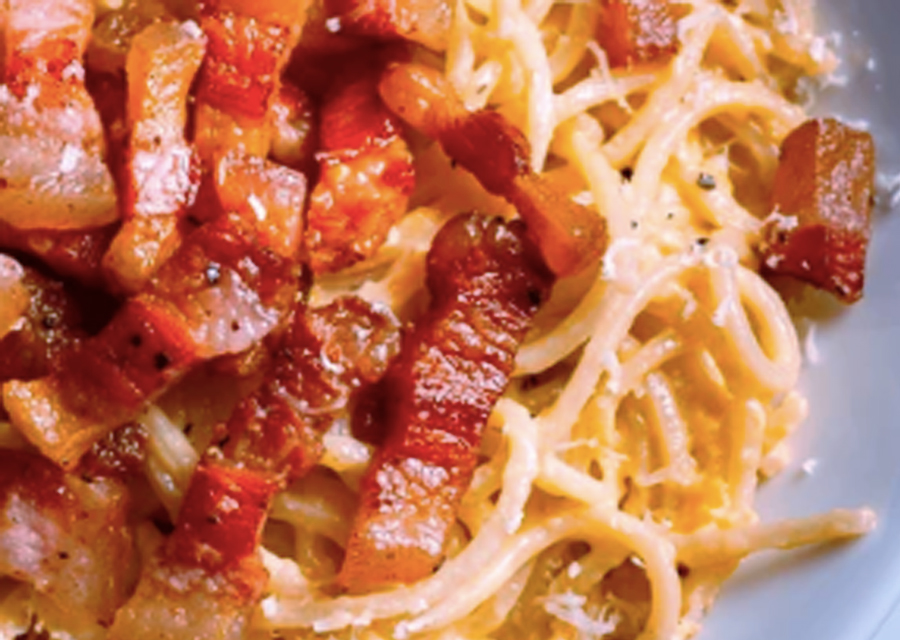
Starting October 10, 2026, the "Carbonara Festival" began a four-day run in Rome’s Testaccio neighborhood, offering free entry and street food menus dedicated to the city’s iconic dish. The event features live music and culinary challenges, aiming to celebrate the "Roman tradition" of guanciale and Pecorino Romano while acknowledging the dish's evolving status. This physical gathering reinforces the local stakeholder view that carbonara remains a central pillar of Roman identity, even as global interpretations vary.
London Chefs Pivot to "Italian-American" Fusion
In a notable shift for the UK dining scene, reports indicate that London chefs are moving away from strict regional Italian authenticity toward the "Italian food of the USA." This trend involves adopting Americanized interpretations of Italian classics, such as heavier sauces or non-traditional pairings, which contrasts sharply with the purist approach that dominated London's high-end Italian dining for decades. This cultural reversal suggests that the "authenticity" debate is no longer just about protecting Italian recipes from foreign dilution, but also about how diaspora cuisines are being re-imported into Europe.

Coldiretti Warns of €40 Billion Counterfeit Loss in US
Coldiretti, Italy’s largest agricultural association, reiterated its alarm over counterfeit Italian products, citing a €40 billion turnover for fake "Made in Italy" goods in the United States alone. The group highlighted specific tactics used by competitors, such as processing German pork legs in Italy to label them as Italian ham, or blending Tunisian olives into Italian olive oil. These practices undermine the economic value of genuine PDO/PGI products and fuel the ongoing political pressure for stricter EU origin labeling laws.
Local view
Local Italian media continues to focus on the technical execution of carbonara rather than just its origins. Giallo Zafferano published a guide this week titled "Carbonara without missteps," detailing common errors such as scrambling the eggs or using the wrong cut of pork. The article emphasizes that the "real problem" is temperature control, urging home cooks to master the emulsion of egg yolks and cheese without heat. This reflects a persistent sentiment in Italian food media that authenticity is defined by technique, not just ingredients.
Meanwhile, Divenire News noted that carbonara remains at the center of a debate between official disciplinary standards and domestic habits, particularly regarding the use of Amatrice guanciale versus other cured meats. The local discourse suggests that while tourists may accept variations, Romans remain vigilant about the specific provenance of their pork and cheese.
Context & numbers
- Counterfeit Scale: The global turnover of fake "Italian sounding" products has reached €120 billion annually, with the US market accounting for approximately €40 billion of that total.
- Olive Oil Deception: Coldiretti reports that Italian extra virgin olive oil prices have halved due to speculation and deception, where foreign oils are blended or relabeled. Italy produces ~234 million liters but imports 545 million liters, creating a supply chain gap exploited by fraudsters.
- Protected Status: Italy currently holds 317 DOP (PDO) and IGP (PGI) products registered with the EU, the highest number in the world, compared to France's 254. These designations are the legal backbone of the "regional rules" argument.
On the radar
- Gambero Rosso Guide Fallout: Although the 2026 guide was released in October 2025, its rankings continue to influence regional pride debates. Osteria Francescana (Modena), Piazza Duomo (Alba), and Reale (Roccaraso) hold the top spots, reinforcing the prestige of Emilia-Romagna, Piedmont, and Abruzzo over more tourist-heavy regions.
- Food Tourism Surge: Germany and the US are driving a surge in Italian food and wine tourism in 2026, with visitors seeking "regional growth" experiences rather than generic city tours. This may increase pressure on local authorities to enforce authenticity standards in tourist hotspots.
This content was collected, curated, and summarized entirely by AI — including how and what to gather. It may contain inaccuracies. Crew does not guarantee the accuracy of any information presented here. Always verify facts on your own before acting on them. Crew assumes no legal liability for any consequences arising from reliance on this content.
Powered by
