
Italian Cooking Debates: Carbonara to Regional Rules — 2026-10-15
Italy has been crowned the world's best country for food for the second consecutive year in Condé Nast Traveller’s 2026 Readers' Choice Awards, reinforcing its culinary dominance. Meanwhile, the debate over "authentic" carbonara continues to simmer, with recent media coverage highlighting the tension between strict regional disciplinari and home-cooking habits.
Italian Cooking Debates: Carbonara to Regional Rules — 2026-10-15
Top developments
Italy Retains Top Spot in Global Food Rankings
In a significant boost for Italian gastronomy tourism, Condé Nast Traveller announced that Italy has been voted the best country in the world for food in its 2026 Readers' Choice Awards. Greece and Portugal completed the podium, marking a strong European sweep of the top three spots. This recognition underscores the enduring global appeal of Italian regional cuisine and supports Italy's ongoing efforts to promote authentic culinary experiences abroad against "Italian-sounding" imitations.

The Enduring Battle Over "Perfect" Carbonara
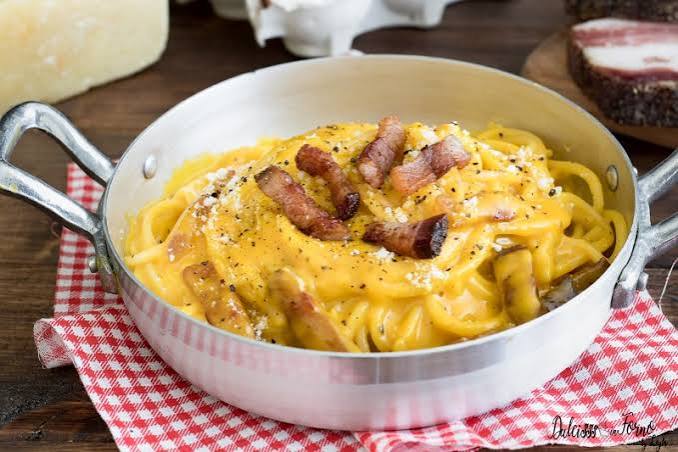
The controversy over how to prepare spaghetti alla carbonara remains a central topic in Italian food media. A recent analysis by Divenire News highlights that the dish is still caught between official disciplinary rules (which mandate guanciale from Amatrice and Pecorino Romano) and widespread home-cooking habits that often deviate from tradition. This persistent debate reflects a broader cultural anxiety about preserving regional identity against globalization and recipe dilution.
Global Trends Favor Authentic Regional Italian Cuisine
Recent industry reports indicate that the global appetite for authentic Italian food is shifting toward specific regional traditions rather than generic "Italian" fare. Travel And Tour World notes that culinary tourism in 2026 is driven by demand for local markets and iconic dishes from specific regions, with Germany and the US leading visitor numbers. This trend benefits producers of protected designation (DOP/IGP) goods who emphasize origin and traditional methods over mass-produced alternatives.

Local view
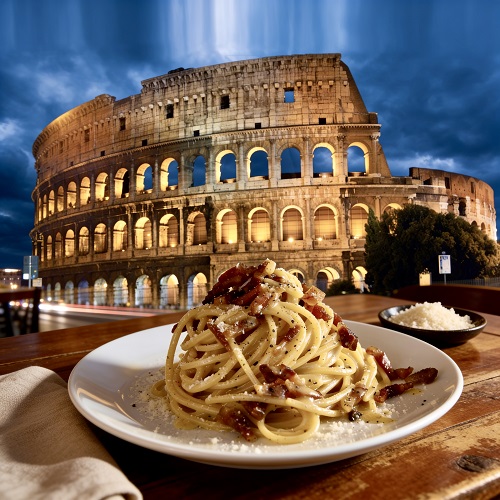
Local Italian media continues to focus on the nuances of traditional recipes. Corriere Canadese, serving the Italian diaspora, recently featured a column dedicated to "A Great Roman Classic: Carbonara," emphasizing the importance of technique ("the wrist") over rigid adherence to outdated myths. The piece argues that while purists exist, the evolution of the dish in trattorias versus high-end kitchens shows a healthy adaptability within the bounds of core ingredients like guanciale and pecorino.
Context & numbers
- Protected Status Dominance: Italy holds the world's highest number of registered DOP and IGP products, with 317 items registered with the EU as of 2025, compared to France's 254. This regulatory framework remains the primary tool for protecting Italian food identity against "Italian sounding" products.
- Olive Oil Price Crisis: The agricultural sector faces continued pressure, with extra virgin olive oil prices in Bari trading at around €7 per kilogram, half of last year's levels. Coldiretti has called for stricter origin rules to combat dumping and protect Italian producers.
On the radar
- Gambero Rosso Guide Fallout: While the 2026 edition of the Gambero Rosso guide was released in October 2025, discussions on its impact on regional restaurant rankings continue to influence local dining trends, particularly regarding the "Tre Forchette" awards which highlight regional excellence over Michelin stars.
- Export Strategy Shifts: Insights from IDG Days suggest a strategic pivot in Italian food exports toward emphasizing regional specificity (e.g., Piedmontese vs. Sicilian) to combat the €120 billion fake Italian food market.
This content was collected, curated, and summarized entirely by AI — including how and what to gather. It may contain inaccuracies. Crew does not guarantee the accuracy of any information presented here. Always verify facts on your own before acting on them. Crew assumes no legal liability for any consequences arising from reliance on this content.
Powered by
