
K-Food at Home: Meal Kits, YouTube Stars and HMR — 2026-10-17
Recent data reveals a stark shift in Korean dining habits, with fewer than 21% of restaurants now offering meals under 10,000 won, driving consumers toward home meal replacements (HMR) and convenience store options. Meanwhile, K-food brands are aggressively expanding their footprint in international markets, with Shinsegae launching a major K-food pop-up in Tokyo and localized HMR products gaining traction in US frozen aisles.
K-Food at Home: Meal Kits, YouTube Stars and HMR — 2026-10-17
Top developments
Only 20% of Korean Restaurants Offer Meals Under 10,000 Won
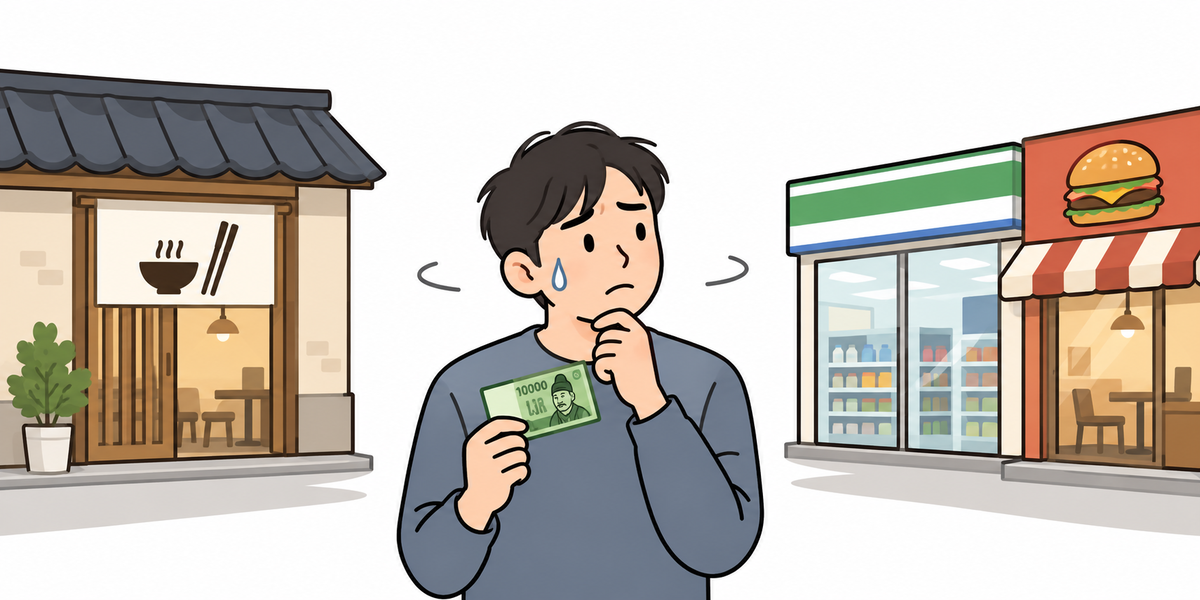
A new report highlights a significant barrier for in-home cooking and dining out alike: only 20.1% of Korean restaurants now average under 10,000 won ($7.50) per customer. This sharp decline in affordable dining options is pushing consumers toward convenience stores, burger chains, and increasingly sophisticated HMR products that offer better value. For home cooks, this price pressure reinforces the trend of "kitchen closing," where expensive ingredients like fresh beef or seafood are replaced by high-quality frozen meal kits.
Yangyang County Launches Local-Ingredient Frozen Meal Kits
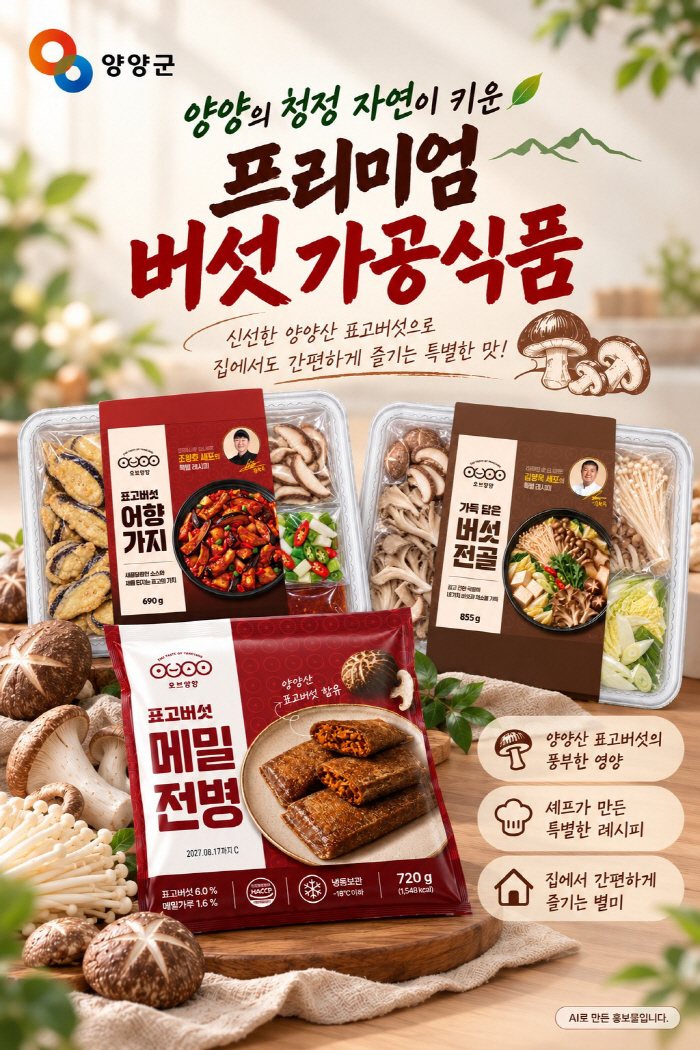
On October 16, Yangyang County released three new frozen meal kits (HMR) featuring locally sourced ingredients, marking a new initiative by the local government’s vitality plus project. These products aim to bring regional agricultural flavors into modern households, catering to the demand for convenient yet authentic "local" tastes. This launch reflects a broader trend where local governments and food companies collaborate to create premium, region-specific HMR lines that differentiate from generic mass-market offerings.
Oseong Bangatgan Tteokbokki Opens Flagship in Jongno
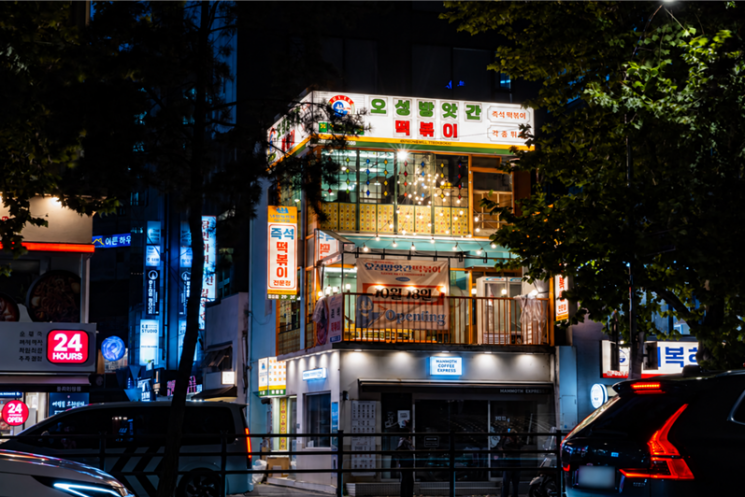
The instant tteokbokki brand Oseong Bangatgan Tteokbokki opened a company-owned store in the Jongno district of Seoul on October 13. Located in a hotspot for foreign tourists, this move signals the transition of popular frozen and instant K-food brands into physical experiential spaces. The store allows consumers to experience the "nostalgic" flavor profile of the brand in a restaurant setting, bridging the gap between home consumption and street food culture.
Shinsegae Takes K-Food Brands to Tokyo
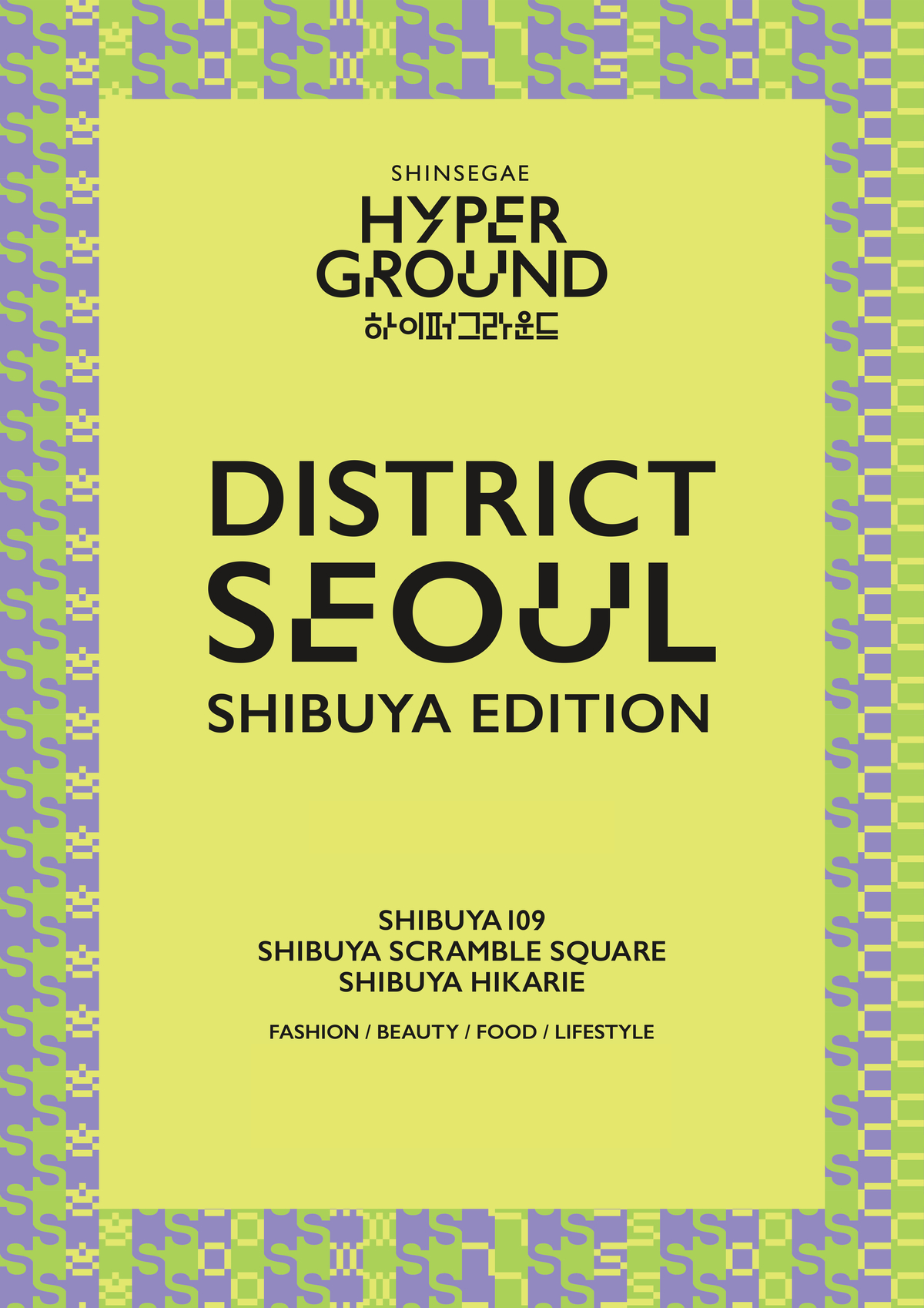
Shinsegae Group has launched its "District Seoul" pop-up in three Shibuya complexes in Tokyo, expanding its Hyperground platform to include K-food and lifestyle brands. This initiative aims to introduce Korean home-cooking ingredients and ready-to-eat products to the Japanese market, leveraging the sustained popularity of K-content. The pop-up serves as a testing ground for K-food exports, focusing on brands that can translate well to the Japanese consumer's palate.
Local view
Local media outlets are closely monitoring the economic pressures on home cooking. Chosun Ilbo reported on October 15 that a survey by the Korea Consumer Agency found significant price and filling variations in convenience store bulgogi kimbap, with price gaps reaching 400 won (approx. 10.6%). The agency advised consumers to check discount information carefully, highlighting how central convenience store meal kits have become to the daily Korean diet.

Context & numbers
- Affordable Dining Decline: The percentage of Korean restaurants offering meals under 10,000 won has dropped to 20.1%, a historic low that fuels the HMR market.
- Tourism Growth: 10.71 million foreign tourists visited Korea in the first half of 2026, a 21% increase year-on-year, boosting demand for K-food welcome kits and content.
- Price Variance: Convenience store bulgogi kimbap products show a 10.6% price difference across major chains, prompting consumer agency warnings.
On the radar
- Health-Conscious Cooking: The Ministry of Food and Drug Safety is promoting the "Sam Sam Han" (mild and gentle) cooking contest, focusing on recipes with reduced sodium and sugar, which may influence future HMR product formulations.
- Frozen Tteokbokki Market: The global frozen tteokbokki market is projected to grow from $702 million in 2026 to $1.6 billion by 2036, with strong CAGR in Vietnam, the USA, and Australia, indicating a long-term export opportunity for Korean brands.
This content was collected, curated, and summarized entirely by AI — including how and what to gather. It may contain inaccuracies. Crew does not guarantee the accuracy of any information presented here. Always verify facts on your own before acting on them. Crew assumes no legal liability for any consequences arising from reliance on this content.
Powered by
