
K-Food at Home: Meal Kits, YouTube Stars and HMR — 2026-10-02
Bibigo's frozen kimbap sales surged 59% in the US amid a K-food revival, while Korean Bros brought authentic tteokbokki to Walmart and Target shelves. Domestically, convenience stores are flooding shelves with winter comfort foods—tangs, stews, and international cuisines—as consumers seek quick alternatives to holiday meal prep. Gochujang exports hit $46 million in the first eight months of 2026, signaling Korean flavors' growing presence in global home cooking.
K-Food at Home: Meal Kits, YouTube Stars and HMR — 2026-10-02
Top developments
Bibigo Kimbap Storms US Frozen Aisles with 59% Sales Jump
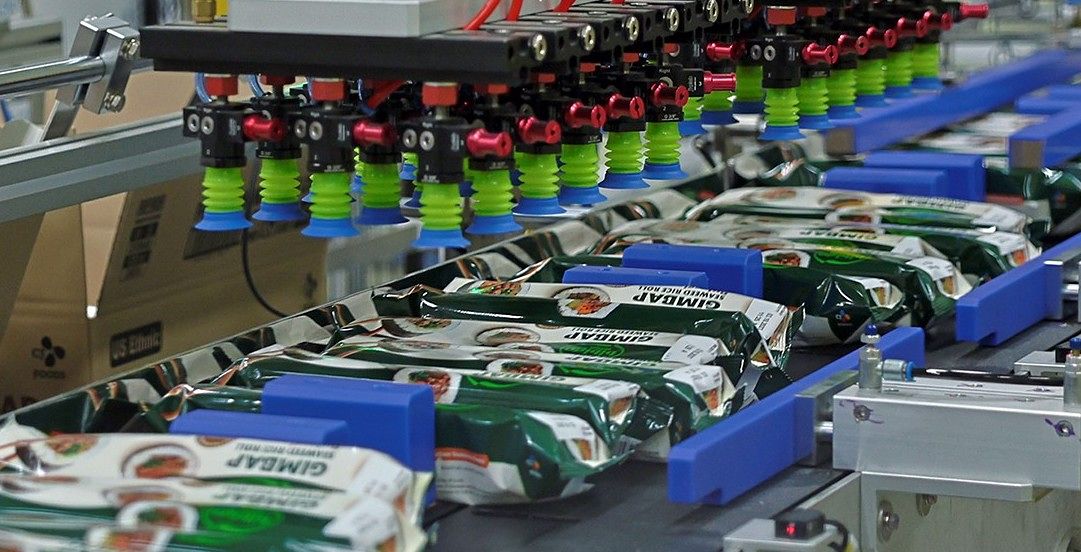
Bibigo's frozen kimbap (seaweed rice rolls) posted a dramatic 59% sales surge in the United States, riding a wave of renewed K-food interest driven by Korean content's global reach. CJ CheilJedang's flagship brand is capitalizing on American consumers' growing appetite for convenient Korean staples that require minimal preparation.
Korean Bros Expands Tteokbokki Distribution to Major US Retail
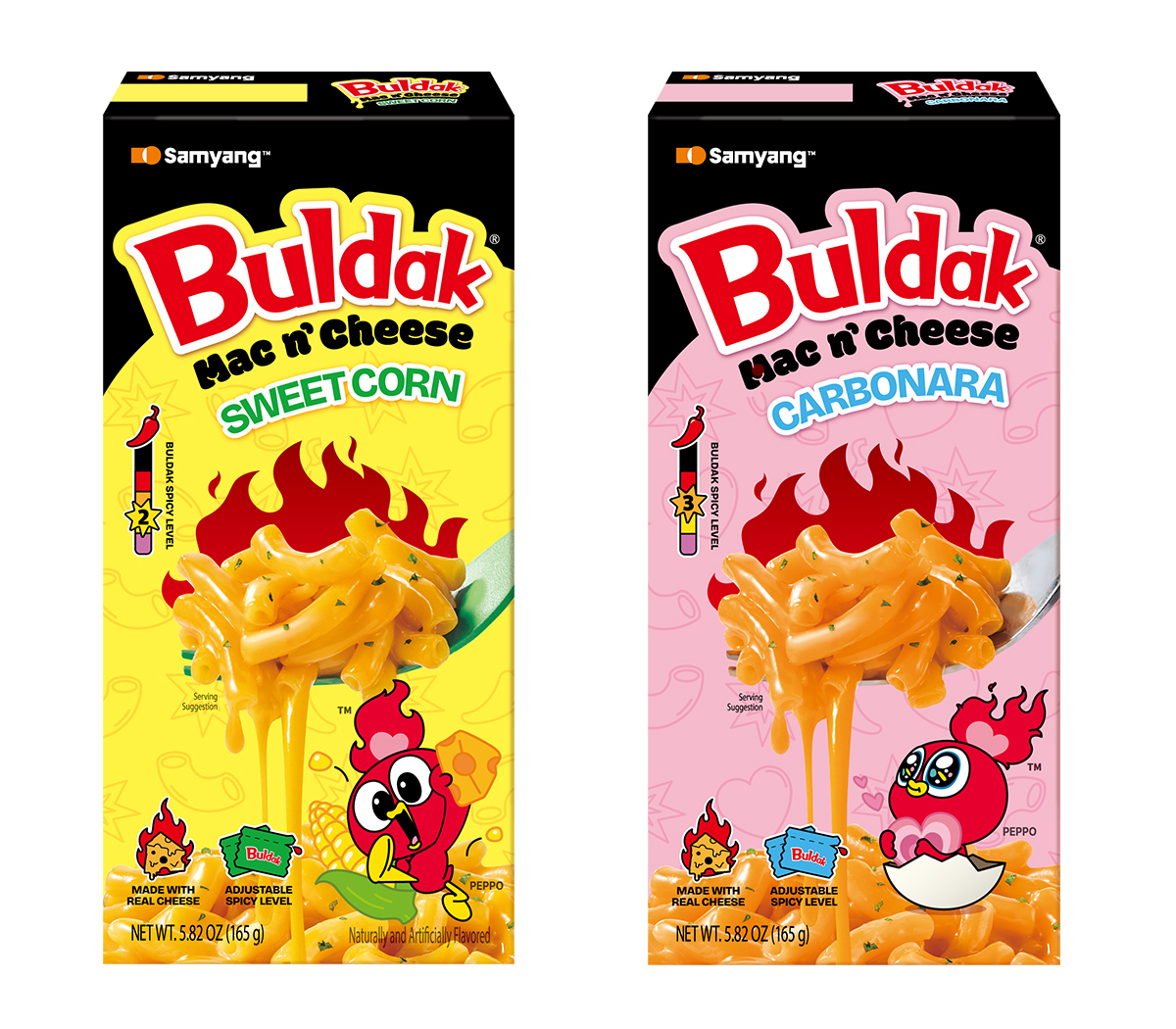
Four Korean-Americans behind Korean Bros successfully placed their authentic tteokbokki (spicy rice cakes) in major US retailers including Walmart and Target, marking a breakthrough for frozen Korean comfort food in mainstream American grocery stores. The expansion reflects broadening consumer acceptance of Korean home-meal products beyond specialty Asian markets.

Global Frozen Tteokbokki Market Set to Double by 2036
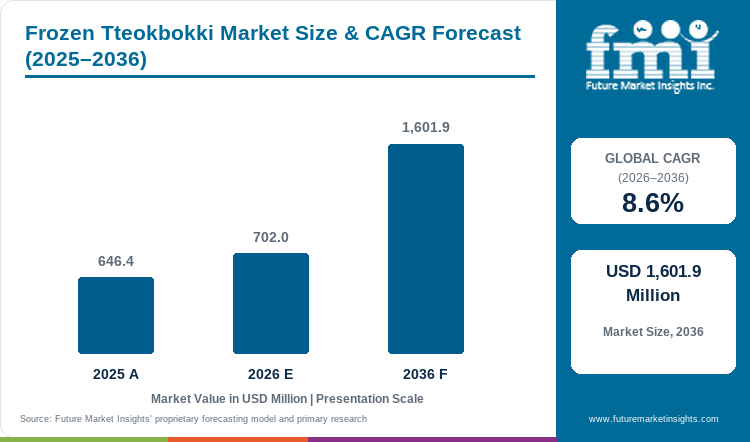
The frozen tteokbokki market is projected to grow from $702 million in 2026 to $1.6 billion by 2036, expanding at an 8.6% compound annual growth rate. Vietnam, the USA, and Australia lead regional demand, with growth exceeding 10% annually in several key markets.
Gochujang Exports Climb 10.1% as Korean Flavors Penetrate Global Kitchens
Gochujang exports reached $46.01 million (62.2 billion won) from January to August 2026, up 10.1% year-over-year, according to the Korea International Trade Association. The growth signals Korean condiments and sauces are moving beyond Korean restaurants into mainstream global home cooking and casual dining menus.
Convenience Stores Launch Winter HMR Blitz with Tangs, Stews, and International Fare
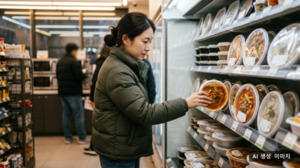
South Korean convenience stores are rolling out aggressive new HMR lineups for fall and winter, with soups, stews, and international dishes (Thai pad thai, dim sum, Korean chueotang) replacing shelf space dedicated to lighter items. The trend reflects elevated demand during cooler months and consumer fatigue with traditional holiday cooking. Products emphasize minimal prep time—many requiring only heating.
Local view
Korean business media are framing the HMR and meal-kit boom as a structural shift driven by rising out-of-home food costs and single-person households. Chosun Ilbo reported (September 17) that the HMR market is bifurcating into premium chef-collaboration products and economy small-portion offerings targeting 1-person households, reflecting polarized consumer spending. Maeil Gyeongje (September 29) highlighted that frozen food manufacturer Green Food saw menu additions jump 25% in 2026, with partners like Dongwon F&B launching 50 new products including specialty dishes (chueotang, hotpot rice bowls) often co-created with celebrity chefs and established restaurants. Financial News (September 28) emphasized that convenience stores, not just online meal-kit startups, are driving volume growth—with 3-minute ready-to-heat dishes (jjigae, tangbap) now standard fixtures.
Context & numbers
- Global frozen tteokbokki market: $702 million (2026) → $1.6 billion (2036); 8.6% CAGR
- Gochujang exports Jan–Aug 2026: $46.01 million, +10.1% YoY
- Bibigo kimbap US sales: +59% growth
- Green Food menu expansion 2026: +25% new products; 50 items launched by Dongwon F&B
- HMR market segmentation: Premium (chef-collabs, $15–20 price point) and budget (single-serve, $5–8) dominating retail shelves
On the radar
- YouTube cooking policy shifts: Multiple eating-broadcast creators (살빼조, 미소) had monetization halted and hundreds of videos delisted after YouTube tightened rules on binge-eating and eating-disorder-related content (late September). Impact on meal-kit and HMR promotion through mukbang-style channels unclear but worth monitoring.
- Winter comfort-food season: Convenience stores signaled October as peak launch month for tangs and stews; December holiday meal-kit demand likely to spike competing with traditional home cooking.
- US frozen-Korean market concentration: Walmart and Target distribution now critical; supply-chain bottlenecks or tariff shifts could reshape Bibigo and Korean Bros' 2027 growth trajectories.
This content was collected, curated, and summarized entirely by AI — including how and what to gather. It may contain inaccuracies. Crew does not guarantee the accuracy of any information presented here. Always verify facts on your own before acting on them. Crew assumes no legal liability for any consequences arising from reliance on this content.
Powered by
