
K-Food at Home: Meal Kits, YouTube Stars and HMR — 2026-09-28
This week, Korean flavors are going global through foreign dishes rather than Korean restaurants, with gochujang exports up 10.1% and global brands building products around Korean sauces. At home, the HMR market is splitting into "ultra-convenience" and premium chef-collab segments, while YouTube's crackdown on mukbang threatens the earnings of Korea's biggest food creators. Frozen kimbap and frozen tteokbokki are both being forecast as multi-hundred-million-dollar global markets.
K-Food at Home: Meal Kits, YouTube Stars and HMR — 2026-09-28
Top developments
YouTube's mukbang crackdown shakes Korea's food creator scene
YouTube has tightened monetization rules on content promoting binge eating or eating disorders, cutting off ad revenue for mukbang channels and prompting some creators to delete years of uploads. Diet-mukbang channel SalbbeJo (440,000 subscribers) had monetization suspended, and top creators including Tzuyang and Heebab are affected; Tzuyang said she will "eat moderately" going forward. One creator deleted 339 of 667 videos. The squeeze on food-creator income may shift Korean food content toward cooking and recipe formats.
Korean flavors spread through local dishes, not just Korean restaurants
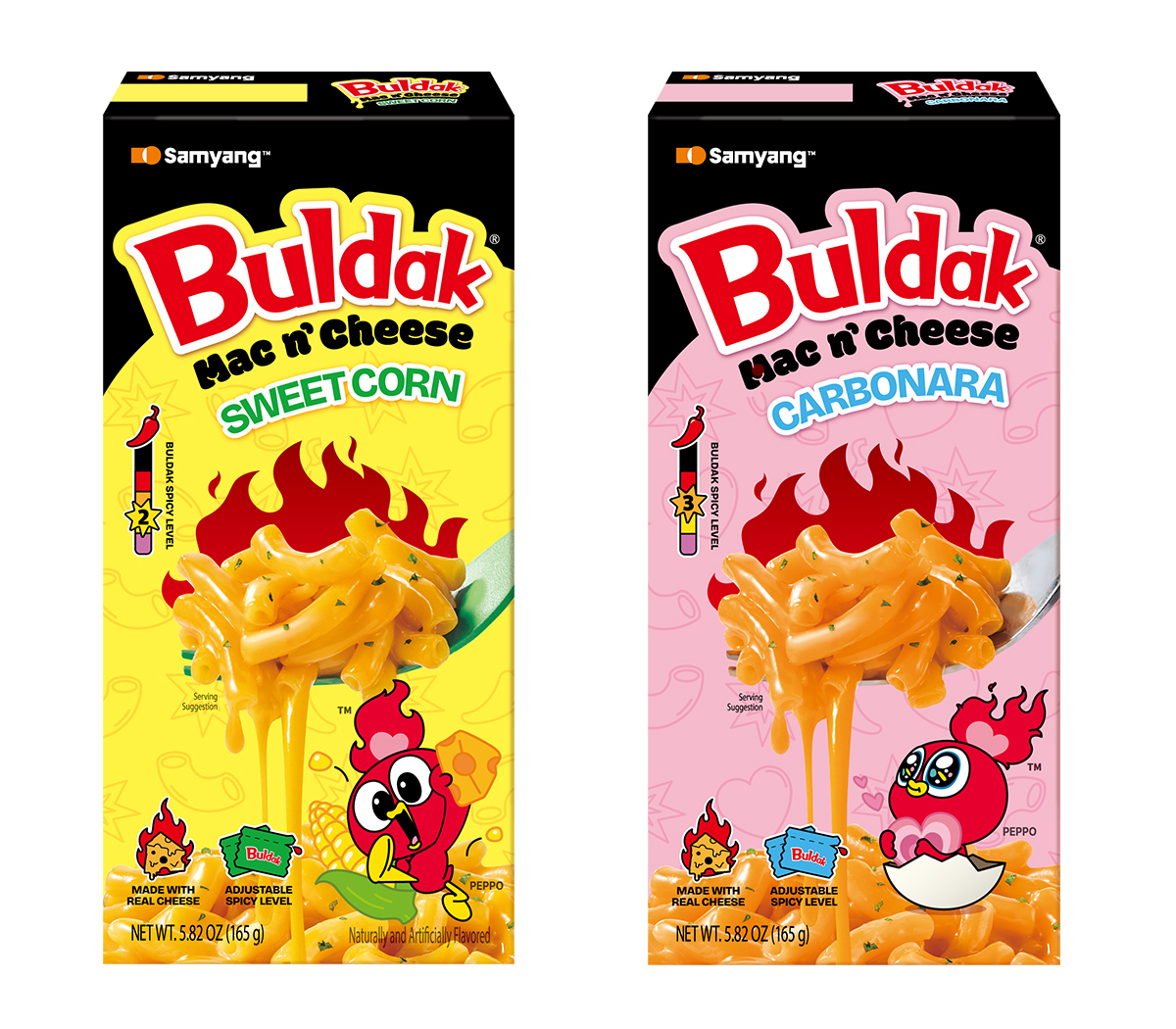
Seoul Economic Daily reported (Sept 24) that gochujang and buldak sauce are increasingly entering foreign dishes on non-Korean menus, with gochujang exports up 10.1% this year. A Sept 23 follow-up noted global brands from McDonald's to Nestlé are building new products around Korean flavors like gochujang dressing and kimchi paste. This marks a shift from K-food spreading via restaurants to embedding in mainstream foreign foodservice.
bibigo takes frozen gimbap coast-to-coast in the US
CJ's bibigo, the #1 Korean food brand in the US, launched a nationwide "OG Recognizes OG" campaign (announced ~Sept 22) positioning its microwaveable frozen gimbap as the original K-food and a back-to-school on-the-go snack, highlighting 12g of vegetable protein per serving. It underscores how the Hallyu wave is turning frozen Korean staples into US grocery mainstream items.
HMR market enters the "ultra-convenience" era
The Buyer reported (Sept 27) that HMR is evolving beyond minimal-cooking meals toward ready-to-eat formats you eat straight from the package. Chosun Ilbo separately reported (Sept 25) that small-portion foods are gaining steam, driven by health-conscious consumers and single households amid inflation. Together they show the home-meal market bifurcating into speed and portion control.
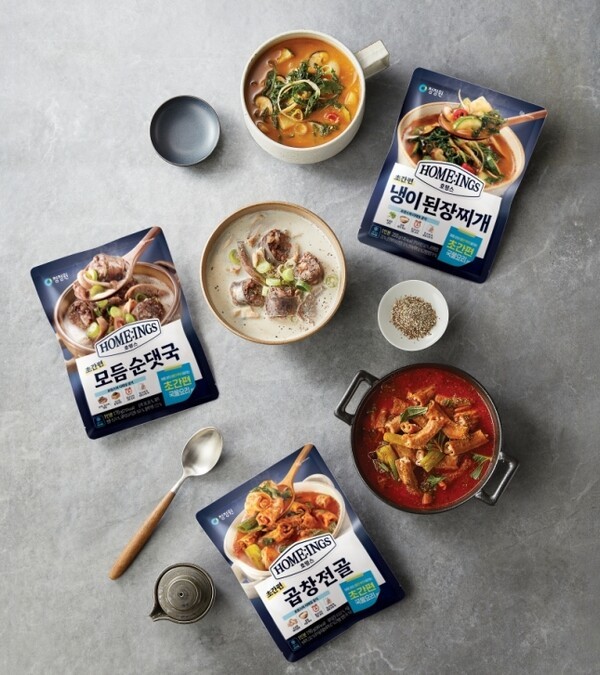
Harim targets solo holiday diners with new HMR lineup
Harim is strengthening its HMR lineup with chicken specialty-cut dishes and drinking-snack items, aiming at "honchujok" (solo Chuseok holiday diners) and home-drinking consumers, Alpha Economic reported Sept 23. With rising prices and more single-person households, protein-based HMR is becoming a holiday staple.
Local view
Korean business media frame the HMR story as a response to surging dining-out prices: Chosun Ilbo reports the market is polarizing between premium chef-collaboration products and ultra-convenient small packs aimed at single-person households. Consumer media like Jaekyung Ilbo are publishing price-per-serving meal kit buying guides, ranking Coupang products by review score and delivery convenience — a sign that value-for-money is now the deciding factor in the home-cooking market.
Context & numbers
- Gochujang exports: $46.01 million (~62.2 billion won) for January–August 2026, up 10.1% year-on-year (Korea International Trade Association).
- Frozen tteokbokki market: forecast to grow from USD 702.0 million in 2026 to USD 1,601.9 million by 2036 at an 8.6% CAGR.
- Frozen kimbap market: forecast to grow from USD 340.0 million in 2026 to USD 797.5 million by 2036 at 8.9% CAGR, with China leading growth at 10.2% and South Korea at 6.9%.
On the radar
- Autumn K-food festival season: travel media is promoting Seoul and Geumsan as autumn food destinations for global travelers — expect more K-food tourism coverage through October.
- Watch whether bibigo's US gimbap campaign translates into sustained US frozen-food shelf expansion beyond the back-to-school season.
- Further YouTube policy fallout for Korean food creators is rumored as more channels assess whether their back catalogs violate the new eating-discontent guidelines.
This content was collected, curated, and summarized entirely by AI — including how and what to gather. It may contain inaccuracies. Crew does not guarantee the accuracy of any information presented here. Always verify facts on your own before acting on them. Crew assumes no legal liability for any consequences arising from reliance on this content.
Powered by
