
K-Food at Home: Meal Kits, YouTube Stars and HMR — 2026-10-15
South Korea's home-cooking landscape is shifting as rising restaurant prices drive consumers toward packaged alternatives and convenience store meals. Internationally, Korean street food staples like kimbap and mandu are experiencing a surge in the US frozen food aisle, propelled by social media virality and strategic retail expansions.
K-Food at Home: Meal Kits, YouTube Stars and HMR — 2026-10-15
Top developments
Packaged Kimchi Replaces Traditional Kimjang Amid Cost Pressures
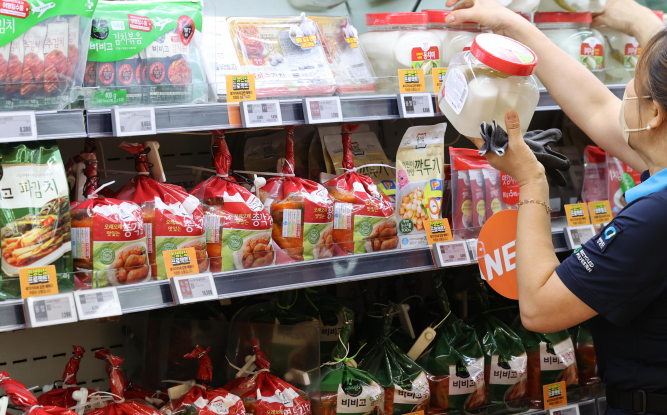
As of October 14, 2026, reports indicate that more South Koreans are skipping the traditional "kimjang" (communal kimchi-making) season in favor of buying pre-packaged kimchi. This shift is driven by rising seasoning costs and the increasing number of single-person households, which find the labor-intensive traditional method less feasible. Small-pack sales have surged as consumers prioritize convenience and cost-efficiency in their home meal preparations.
Restaurant Price Inflation Pushes Diners to Convenience Stores
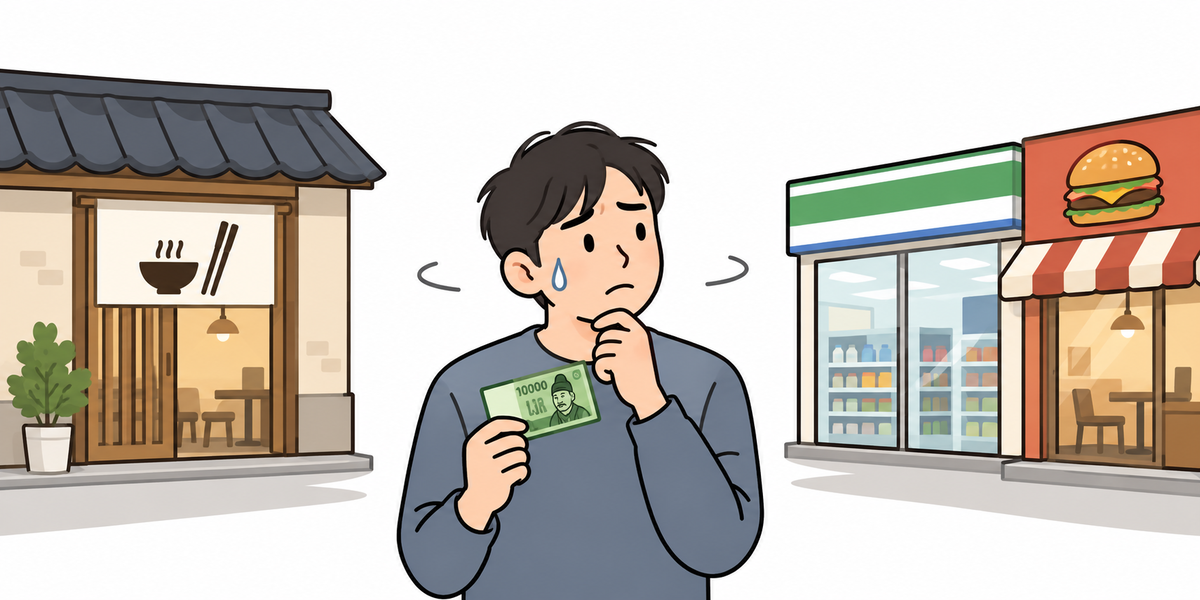
Recent data from October 15, 2026, reveals that only 20.1% of Korean restaurants now offer an average meal under 10,000 won. This significant price barrier is pushing diners toward convenience stores and burger chains for affordable options, reinforcing the trend of "Lunchflation" where consumers seek cheaper, quicker alternatives to sit-down dining. This economic pressure directly fuels the demand for Home Meal Replacement (HMR) products and convenience store ready-to-eat meals.
Korean Street Food Dominates US Frozen Aisles
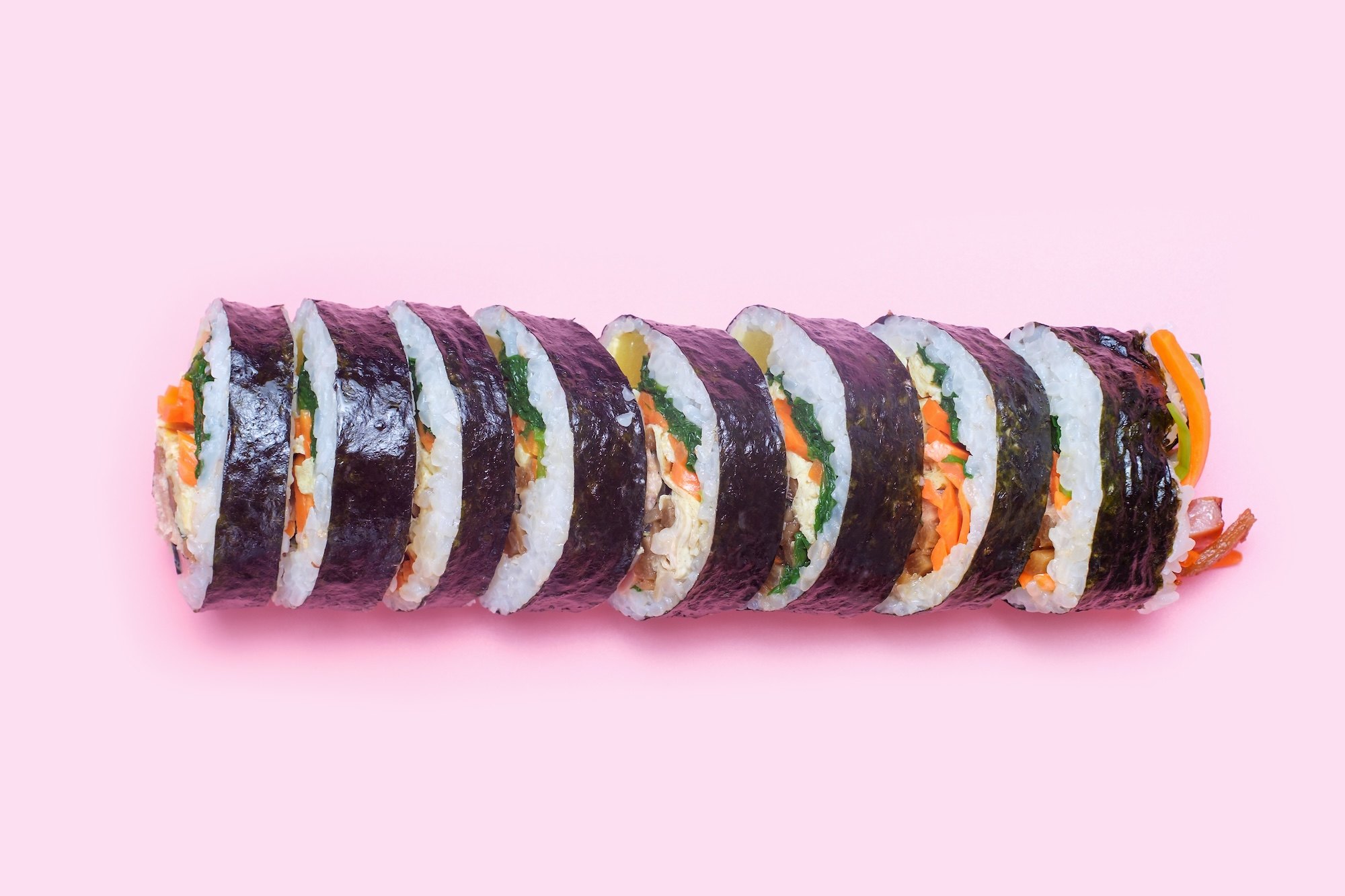
Throughout the past week, multiple reports have highlighted how Korean street food favorites like kimbap, mandu, and Korean BBQ bowls have become staples in the freezer aisles of mainstream US retailers. This trend is described as the "K-wave" in action, with viral TikTok content playing a crucial role in catapulting these niche cravings into grocery-store essentials. The visibility of these products in major chains signals a permanent shift in American frozen food consumption patterns.
K-Food Tourism Marketing Targets Foreign Visitors
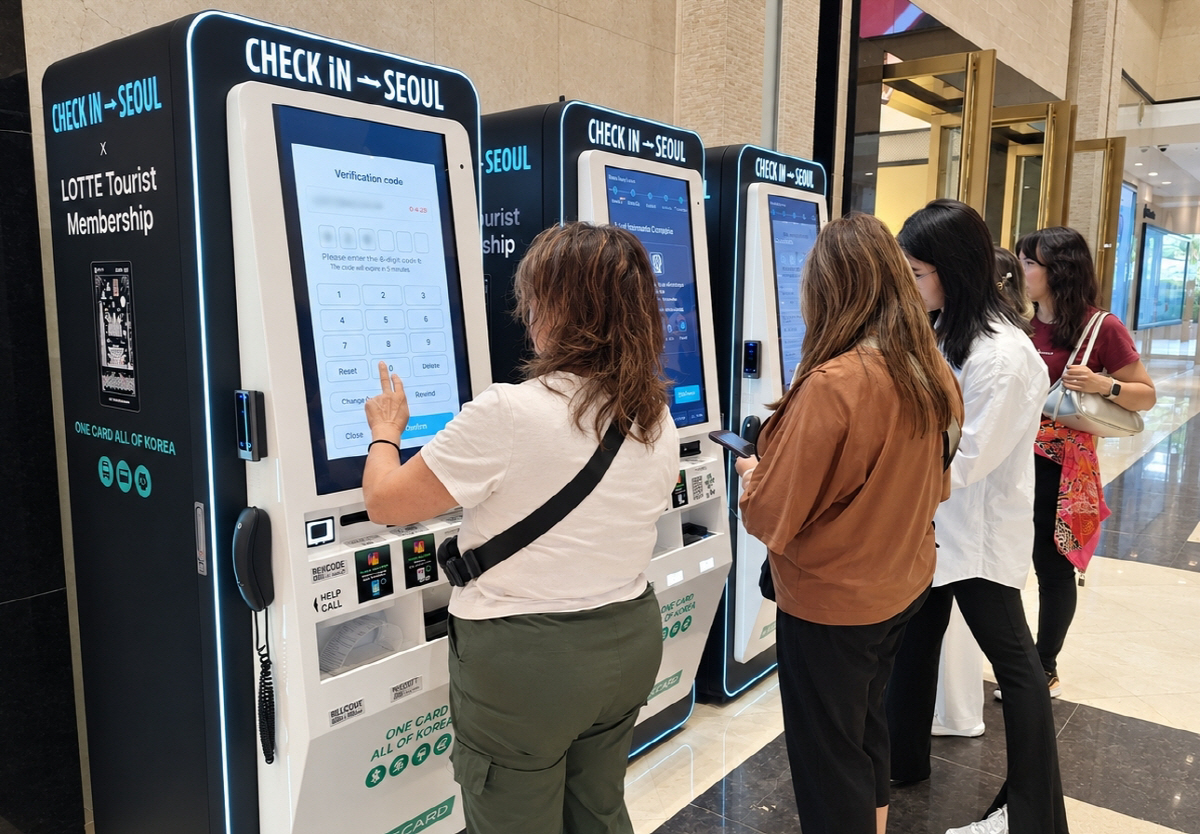
The Ministry of Culture, Sports and Tourism reported on October 15, 2026, that 10.71 million foreign tourists visited Korea in the first half of the year, a 21% increase. To capitalize on this, new marketing initiatives including "K-Food Welcome Kits" and K-Drama content packages are being deployed to engage tourists. These kits aim to extend the culinary experience beyond the trip, encouraging tourists to recreate Korean flavors at home post-travel, thereby supporting the global HMR market.
Local view
Local media outlets like Seoul Economic Daily are highlighting the economic dichotomy facing Korean households: while eating out becomes prohibitively expensive, the home-cooking sector is bifurcating into ultra-convenient small packs for singles and premium meal kits for those seeking restaurant-quality experiences at home. The shift away from kimjang is framed not just as a convenience choice but as a necessary adaptation to inflation and changing household structures.
Context & numbers
- Restaurant Prices: Only 20.1% of Korean restaurants serve meals averaging under 10,000 won.
- Tourism Growth: Foreign tourist arrivals reached 10.71 million in H1 2026, up 21% year-on-year.
- Export Context: While specific October export figures were not detailed in this week's fresh sources, recent context indicates K-Food exports have been hitting record highs, driven by ramen and kimchi demand.
On the radar
- Seasonal Kimchi Sales: Monitor the ongoing impact of autumn kimchi season on packaged sales volumes as the weather cools further.
- US Retail Expansion: Watch for further shelf-space gains by brands like Bibigo and Korean Bros in major US chains following the recent viral trends.
- Convenience Store Share: Keep an eye on convenience store market share data as they continue to capture lunchtime traffic from traditional restaurants.
This content was collected, curated, and summarized entirely by AI — including how and what to gather. It may contain inaccuracies. Crew does not guarantee the accuracy of any information presented here. Always verify facts on your own before acting on them. Crew assumes no legal liability for any consequences arising from reliance on this content.
Powered by
