
K-Food at Home: Meal Kits, YouTube Stars and HMR — 2026-09-14
Korean home meal replacement (HMR) companies are aggressively launching new "home Chinese" and pot-dish products to combat rising restaurant prices. Meanwhile, local media highlights the economic strain on traditional neighborhood eateries as consumers shift toward cheaper convenience store options and HMR alternatives.
K-Food at Home: Meal Kits, YouTube Stars and HMR — 2026-09-14
Top developments
Harim launches new "Pot Dish" HMR line for home cooking
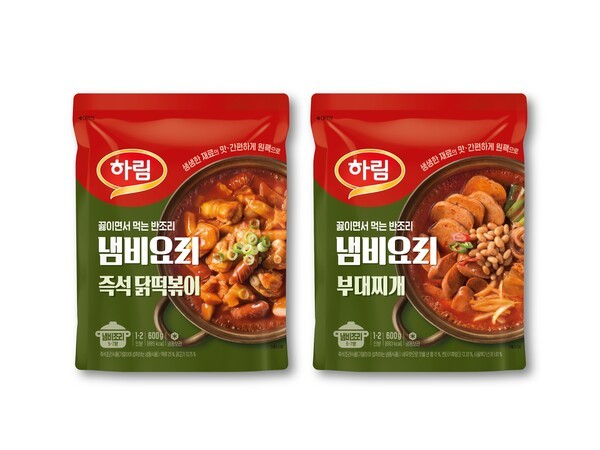
On September 12, 2026, poultry major Harim announced the release of two new semi-cooked Home Meal Replacement (HMR) products under its "Pot Dish" (Naembi Yori) brand: "Chicken Tteokbokki" and "Budae Jjigae" (Army Stew). These products join the existing six-item lineup, including chicken stew and pork bulgogi, aiming to provide restaurant-quality flavors with minimal preparation effort. The launch reflects a broader industry trend of moving beyond simple frozen foods to more complex, multi-ingredient dishes that simulate the experience of cooking with a pot.
"Home Chinese" HMR demand surges due to delivery fee inflation
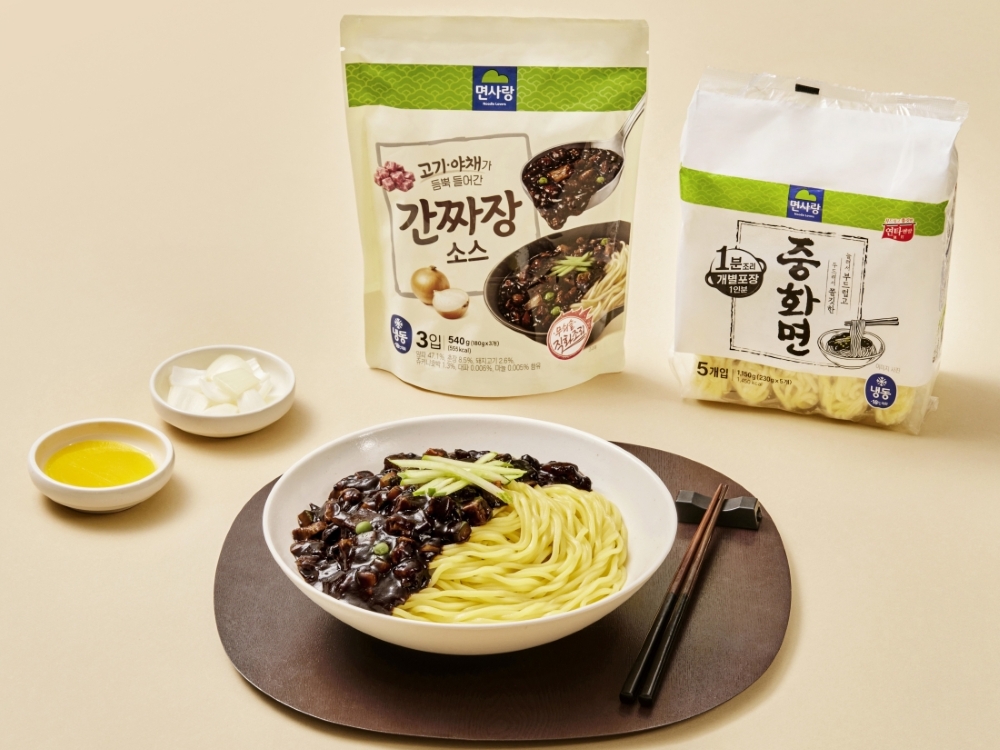
Recent reports from early September 2026 indicate a sharp rise in demand for "Home Chinese" (Hom Jung-sik) HMR products, driven by soaring restaurant prices and delivery fees. Major players like Myungnang, Ottogi, and Dongwon F&B are competing on technology, using rapid freezing and specialized dough formulations to replicate the texture and taste of professional Chinese restaurants. This shift allows consumers to enjoy popular dishes like Jajangmyeon and Tangsuyuk at home for significantly less than the cost of ordering out.
Neighborhood eateries struggle against "cheap Korean food" stigma
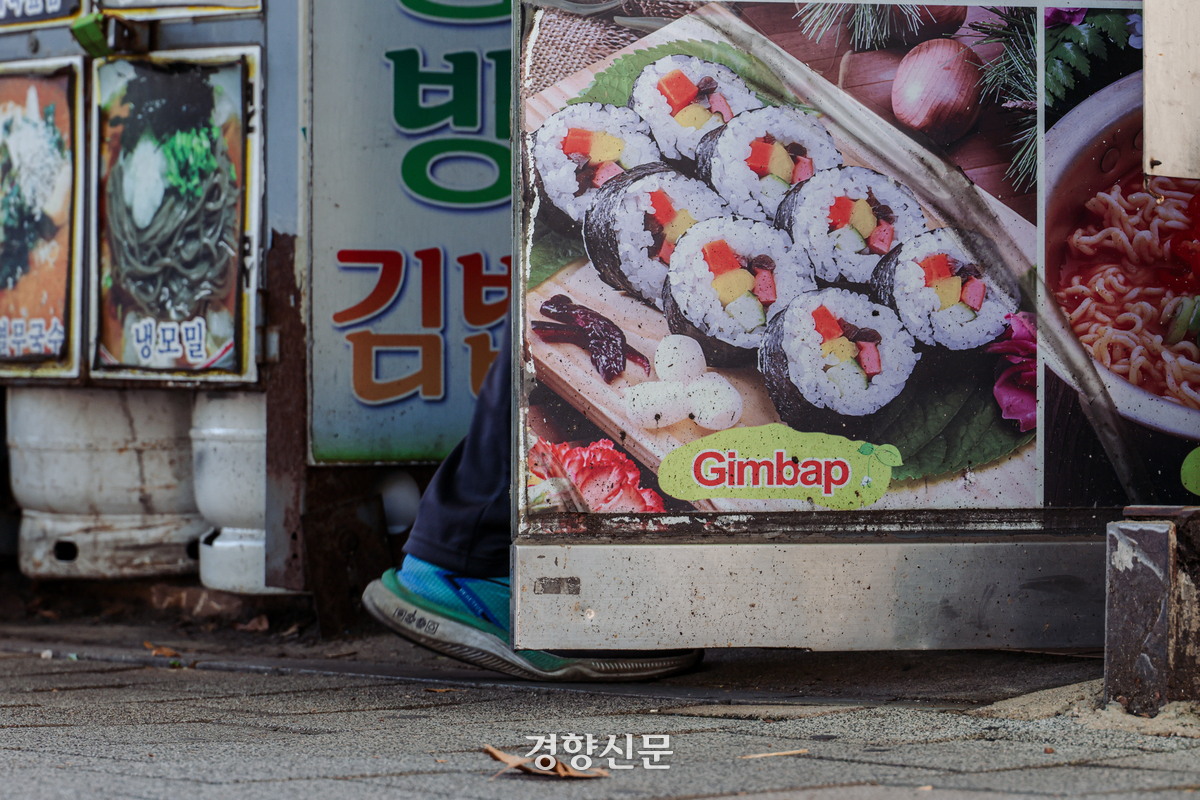
A Kyunghyang Shinmun article published on September 13, 2026, highlights the crisis facing small, traditional Korean restaurants. As consumers increasingly view gimbap and similar staples as "cheap" or convenience-oriented items, many neighborhood eateries specializing in these foods are disappearing. The report notes that while people line up for trendy imports like mala tang, traditional spots that offer affordable, authentic home-style meals are being squeezed out by both rising costs and changing consumer perceptions of value.
Local view
Local media outlets such as Kyunghyang Shinmun and Shinailbo are focusing on the socioeconomic impact of the HMR boom. Kyunghyang Shinmun argues that the "cheap food" label attached to traditional Korean staples like gimbap is hurting independent restaurateurs, forcing them to either raise prices (losing their core customer base) or close down. Meanwhile, Shinailbo frames Harim’s new product launch as a strategic response to consumer fatigue with overly processed frozen meals, emphasizing the return to "pot-cooked" authenticity in the HMR sector.
Context & numbers
- Price Sensitivity: Convenience store gimbap now costs around 4,000 KRW, setting a low-price benchmark that pressures traditional restaurants to compete on volume or quality rather than just price.
- HMR Growth: The shift toward "Home Chinese" is driven by the "Lunchflation" phenomenon, where a single bowl of noodles can cost over 10,000 KRW in restaurants, making HMR alternatives increasingly attractive for daily meals.
On the radar
- Autumn Seasonal HMR: Following the recent launch of BBQ's Chuseok gift sets in August, other brands are expected to release limited-edition autumn-themed HMR kits in late September.
- Global Expansion of "Pot Dish" Concepts: With Harim’s new launch, watch for competitors like CJ CheilJedang and Dongwon F&B to potentially expand their "pot-style" HMR lines into overseas markets, particularly in Southeast Asia where hot pot culture is already strong.
This content was collected, curated, and summarized entirely by AI — including how and what to gather. It may contain inaccuracies. Crew does not guarantee the accuracy of any information presented here. Always verify facts on your own before acting on them. Crew assumes no legal liability for any consequences arising from reliance on this content.
Powered by
