
K-Food at Home: Meal Kits, YouTube Stars and HMR — 2026-10-12
Korean street food has officially crossed the threshold from niche viral trend to mainstream American freezer staple, with major retailers expanding their offerings of kimbap, mandu, and bibigo products. Simultaneously, domestic Korean media highlights a shift in HMR consumption toward "gourmet at home" experiences, driven by rising restaurant prices and a desire for premium flavors without the hassle.
K-Food at Home: Meal Kits, YouTube Stars and HMR — 2026-10-12
Top developments
Viral TikTok Trends Drive Korean Street Food into US Mainstream Retail
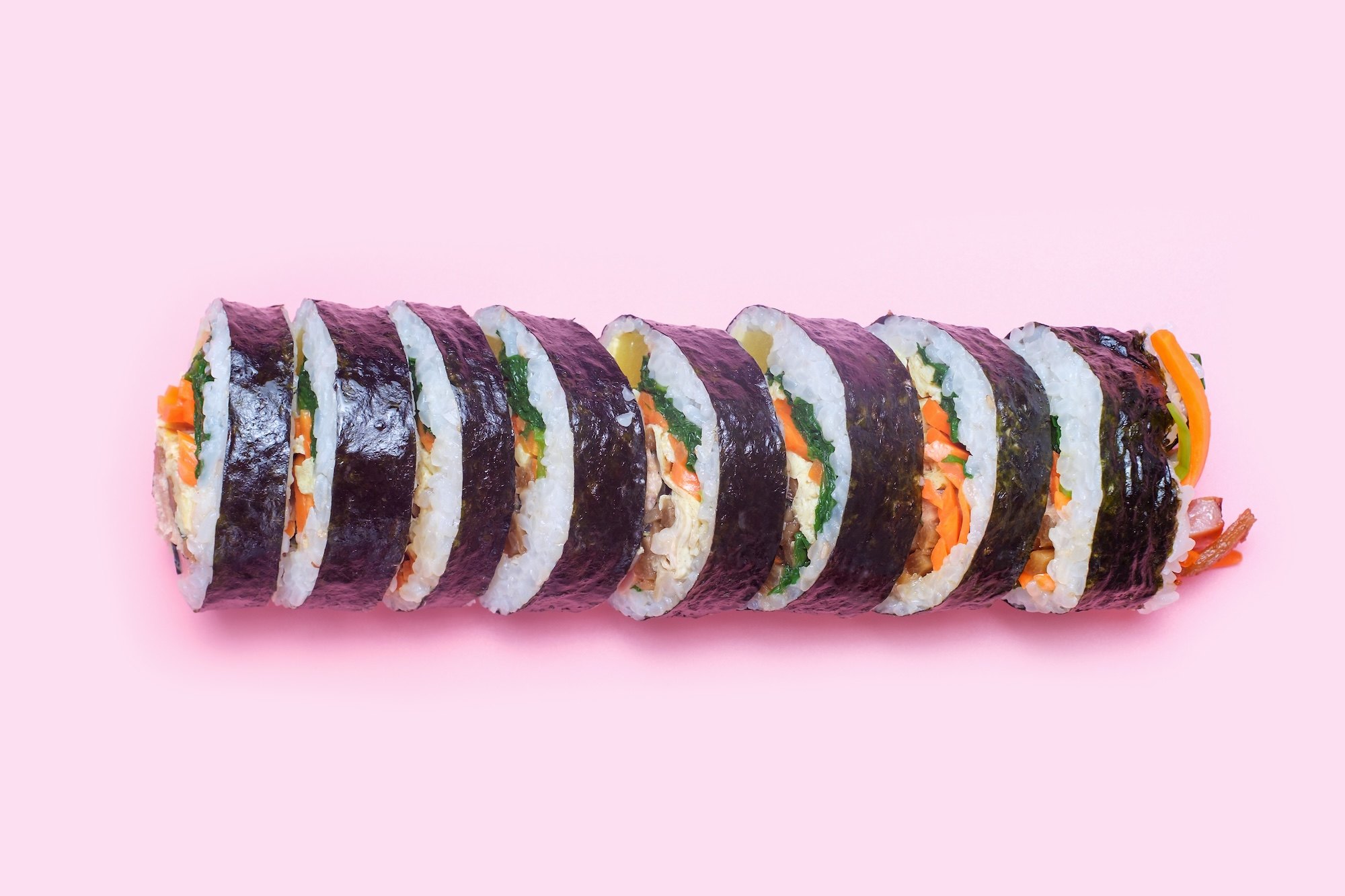
Recent reports highlight how Korean street food items like kimbap, mandu (dumplings), and Korean BBQ bowls have become standard fixtures in U.S. grocery store freezer aisles. The trend is largely attributed to viral TikTok content that transformed these dishes from niche cravings into accessible home-cooking staples. Major retailers have responded by expanding their inventory, with brands like Bibigo scaling distribution to chains such as Kroger and Target following earlier sell-outs at Trader Joe's. This shift marks a significant maturation of the K-food wave, moving beyond restaurant dining to consistent home consumption.
K-Food Brands Target US Kitchens with "Everyday Meal" Integration
Korean food companies are strategically launching sauces, frozen meals, and ready-to-cook options designed to weave Korean flavors into everyday Western meals rather than just positioning them as exotic alternatives. This approach aims to lower the barrier to entry for non-Korean consumers by integrating ingredients like gochujang-infused sauces or pre-cooked bulgogi into familiar cooking routines. The strategy reflects a broader industry pivot from novelty to daily habit formation in the lucrative US market.
Domestic HMR Market Splits into Premium and Ultra-Convenient Tiers
In Korea, the Home Meal Replacement (HMR) market is bifurcating due to rising external dining costs. Consumers are increasingly seeking "gourmet" experiences at home, leading to a surge in premium HMR products that collaborate with famous chefs and restaurants. Conversely, there is simultaneous growth in ultra-convenient, small-packaged items for single-person households who prioritize speed over complexity. This dual trend suggests that while convenience remains key, the definition of "convenient" now includes high-quality flavor profiles previously reserved for restaurants.
Local view
News1 reports that Korean food industries are launching "specialty" (byeolmi) products to combat consumer fatigue with repetitive flavors. Recent examples include HMR versions of restaurant-specific dishes like stir-fried radish kimchi (kkakdugi) and stir-fried beef intestine rice, indicating that domestic consumers are looking for unique, restaurant-style tastes in their home kits rather than generic staples.
Maeil Business Newspaper (MK) notes the return of the Gimcheon Kimbap Festival, which had previously ranked first among large festivals nationwide. The festival's continued popularity underscores the strong cultural attachment to kimbap within Korea, even as it gains international traction as a frozen export product.
Context & numbers
While specific monthly export figures for October 2026 were not available in the recent search results, the broader trajectory of K-food exports remains robust. The "K-Food+" label, which includes processed foods and agricultural products, has seen record-breaking performance in recent years, driven heavily by ramyeon and kimchi. The global frozen tteokbokki market alone is projected to grow from USD 702.0 million in 2026 to USD 1,601.9 million by 2036, reflecting a steady 8.6% CAGR. This long-term forecast supports the current retail expansion seen in US grocery chains.
On the radar
- Bibigo's "OG Recognizes OG" Campaign: While launched in late September, the coast-to-coast push for frozen gimbap continues to influence retail placement and marketing strategies through Q4 2026.
- Global Chains Using Korea as Testbed: International food brands are increasingly piloting concepts in South Korea before scaling them globally, leveraging Korean consumers' trend-savviness. This may lead to reverse-exported trends or localized K-food adaptations by global giants.
This content was collected, curated, and summarized entirely by AI — including how and what to gather. It may contain inaccuracies. Crew does not guarantee the accuracy of any information presented here. Always verify facts on your own before acting on them. Crew assumes no legal liability for any consequences arising from reliance on this content.
Powered by
