
K-Food at Home: Meal Kits, YouTube Stars and HMR — 2026-09-05
The Korean government has pivoted its K-food export strategy to target US hypermarkets and the emerging "punk wellness" trend in China, aiming for a $16 billion annual export goal. Domestically, high inflation is driving a surge in "home Chinese" HMR products, with major brands like Ottogi and Dongwon F&B launching rapid-freezing technology kits to replicate restaurant flavors at home. Meanwhile, convenience store chains are expanding value-driven meal kits, including jumbo tteokbokki and ready-to-cook chicken, as consumers seek affordable alternatives to rising restaurant prices.
K-Food at Home: Meal Kits, YouTube Stars and HMR — 2026-09-05

Government shifts K-food export strategy to US hypermarkets and China
On September 3, 2026, The Korea Times reported that the South Korean government has reset its K-food export strategy to meet its ambitious $16 billion target for the year. The new approach specifically targets hypermarkets in the United States and taps into the "punk wellness" trend among Chinese consumers. This shift moves beyond traditional ramen and kimchi exports, aiming to integrate Korean products into mainstream global retail channels more aggressively.
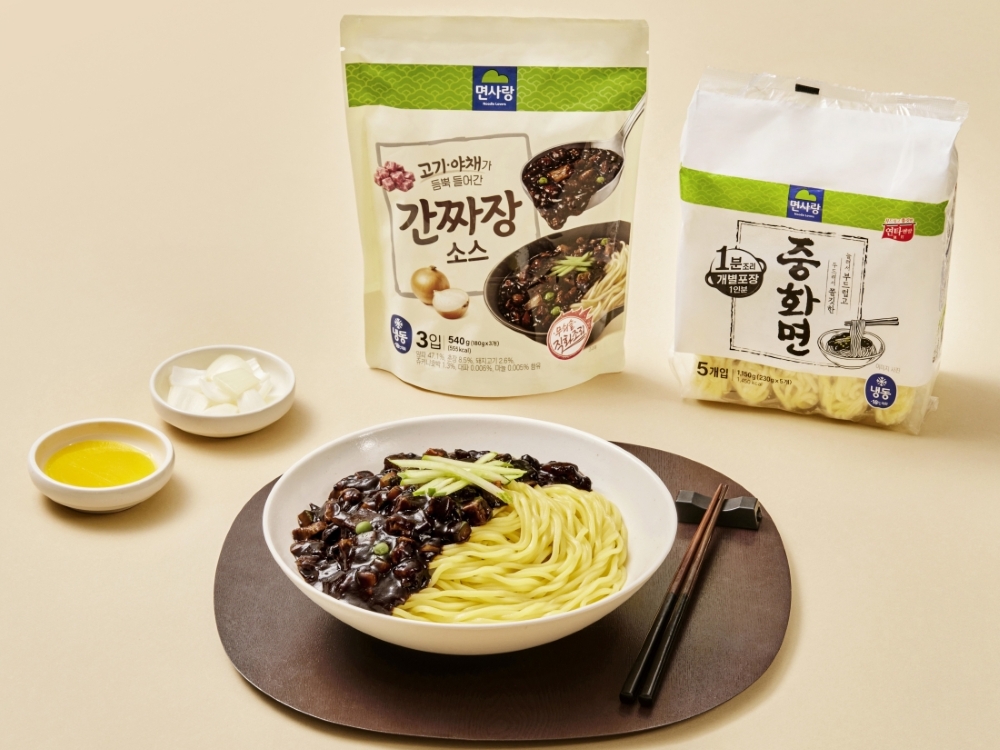
"Home Chinese" HMR market booms amid rising dining costs
As of September 4, 2026, local media reported a sharp increase in demand for "Home Chinese" (homemade-style Chinese food) HMR products due to soaring restaurant prices and delivery fees. Major food companies like Myeonsarang, Ottogi, and Dongwon F&B are competing by leveraging rapid freezing technology and specialized dough techniques to recreate authentic restaurant textures and flavors at home. This trend highlights a consumer preference for professional-grade quality at a lower price point compared to dining out or ordering delivery.
Convenience stores expand value-focused ready-to-cook lines
In late August and early September 2026, convenience store chain CU expanded its "jumbo" tteokbokki lineup after value packs topped sales charts. Additionally, CU partnered with CJ CheilJedang to launch a 4,900-won ready-to-cook chicken product, catering to budget-conscious consumers. These moves reflect a broader strategy among retailers to offer high-volume, low-cost meal solutions as "lunchflation" pushes workers away from expensive lunch spots.
Small-portion instant rice gains traction among dieters
On September 3, 2026, Hankyung reported that the instant rice market is shifting toward smaller portions to cater to health-conscious consumers and dieters. A new 110g version of the popular "Hetbahn" brand was launched, breaking the traditional single-serving standard. Data shows that the share of 130g small-capacity products in the instant rice market rose from 9% to 16% over the past year, indicating a structural change in how Koreans consume home-cooked staples.
Local view
Local industry observers note that the domestic HMR market is evolving from simple convenience to "restaurant replication." The Korea Post highlighted that K-food exports are expanding beyond noodles and seaweed to include HMR, health foods, and fermented products, positioning these sectors as key drivers for the next decade of growth.
Meanwhile, The Korea JoongAng Daily reported on the struggles of traditional gimbap shops, which are closing due to rising ingredient costs (seaweed and vegetables) and wages. This economic pressure is ironically boosting the appeal of frozen kimbap and HMR alternatives, which can maintain lower price points through industrial efficiency.
Context & numbers
- Export Goal: The government aims for $16 billion in K-food exports in 2026.
- HMR Market Size: Estimates suggest the domestic HMR market reached nearly 7 trillion won last year, up from 3.4 trillion won in 2017.
- Instant Rice Shift: The proportion of small-capacity (130g) instant rice products increased from 9% to 16% year-over-year.
- Price Point: CU's new ready-to-cook chicken and jumbo tteokbokki are priced at 4,900 won, emphasizing value over premium pricing.
On the radar
- Chuseok HMR Gift Sets: Generous BBQ Group and other brands are aggressively marketing HMR gift sets for the upcoming Chuseok holiday, capitalizing on the trend toward practical gifts over traditional luxury items.
- Convenience Store Expansion: Major chains like CU and GS25 are resuming store expansions after a period of consolidation, adding approximately 200 stores since late last year as sales rebound.
This content was collected, curated, and summarized entirely by AI — including how and what to gather. It may contain inaccuracies. Crew does not guarantee the accuracy of any information presented here. Always verify facts on your own before acting on them. Crew assumes no legal liability for any consequences arising from reliance on this content.
Powered by
