
Matcha Shortages and the New Tea Café Wave — 2026-09-03
Japan’s matcha supply chain faces continued strain as record-breaking auction prices and export volumes overwhelm traditional production capacities, prompting major suppliers like Marukyu Koyamaen to impose strict quantity limits. Meanwhile, the global café landscape is shifting from bubble tea to specialized, ceremonial-grade tea experiences, with new venues opening in Western markets and a notable pivot toward "new Chinese style" tea houses.
Matcha Shortages and the New Tea Café Wave — 2026-09-03

Marukyu Koyamaen Issues Urgent Supply Apology and Quantity Limits
In early September 2026, the prestigious Uji-based producer Marukyu Koyamaen released a formal notice stating that demand for its matcha products has significantly exceeded production capacity, resulting in "extreme low stock." The company has implemented strict quantity limit restrictions on all matcha purchases to ensure equitable access for customers. This move highlights the severity of the current shortage, where even established heritage brands cannot meet global demand without rationing.
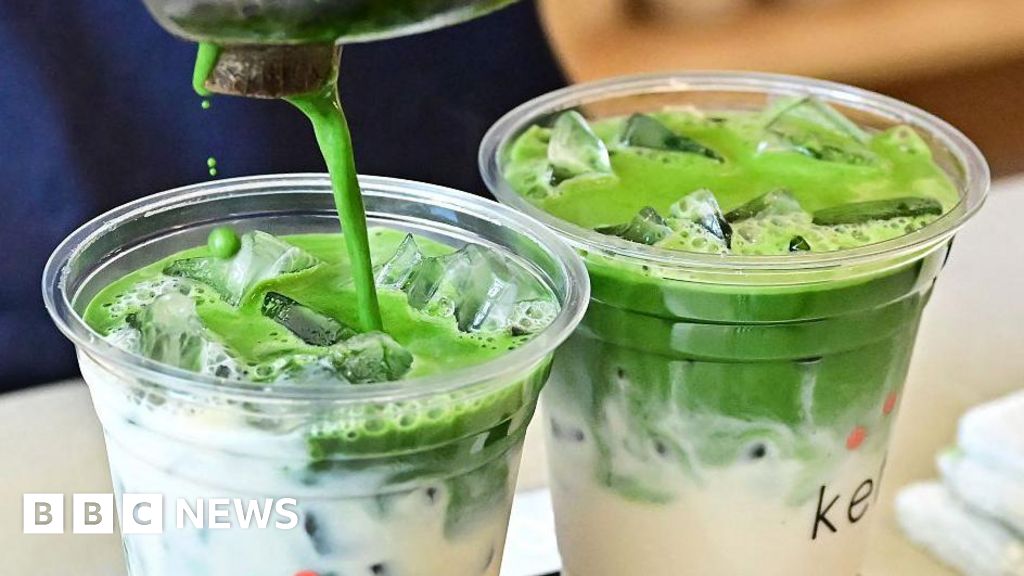
Kagoshima Farmers Pivot to Matcha Production with Massive Investment
A major tea farmer in Kagoshima, Japan’s top tea-producing prefecture, recently invested ¥400 million (approx. $2.7 million) to convert a sencha factory into a matcha processing facility. The decision was driven by the "explosive" global boom in matcha, which has doubled sales for some producers. The new facility is now operational, marking a significant shift in Japan's agricultural strategy to prioritize high-value matcha over traditional green tea varieties.
Philadelphia Sees New Specialty Matcha Café Opening
Kyo Matcha opened its first Philadelphia location in Chinatown on September 2, 2026, joining a growing wave of specialized tea shops that focus on ceremonial-grade matcha rather than bubble tea. This opening reflects a broader trend identified by Eater, where the success of matcha is driving a "late-night teahouse" trend and expanding the market for premium, non-sweetened tea beverages in the US.
Hojicha Emerges as Potential Competitor to Matcha
As matcha supply constraints tighten, industry analysts are noting a rise in interest for hojicha, a roasted green tea with a lower caffeine content and distinct flavor profile. Beverage Daily reports that hojicha is gaining traction as a potential "next mega trend," offering an alternative for consumers priced out of or unable to source high-quality matcha.
Local view
Japanese media continues to highlight the economic impact of the matcha boom on local agriculture. The Asahi Shimbun reported in late August that wholesale tea sales in Kyoto Prefecture have surged, with both volume and prices rising year-on-year. Additionally, Yomiuri Shimbun noted that the closing auction ("tomeichi") of the Uji tea market recorded a total transaction value of ¥12.94 billion, a record high for the season, driven by international demand.
Context & numbers
- Export Volumes: Japan’s fiscal year 2025 green tea exports reached a record 13,125 tonnes, a 42% year-over-year increase, with powdered tea (mostly matcha) accounting for approximately 70% of the volume.
- Price Surge: Tencha (raw material for matcha) prices have skyrocketed, with Kagoshima auctions seeing average prices hit ¥19,000 per kg in May 2026, roughly 1.8 times higher than previous years.
- Chinese Market Shift: In China, the "New Chinese Style" tea house segment saw 20,000 new stores open in the past year, though recent data from NCBD indicates a stable closure rate of 16.2% for tea shops in 2025-2026, suggesting a maturing but competitive market.
On the radar
- Hojicha Adoption: Watch for menu changes in major coffee chains as they test hojicha lattes to diversify away from matcha supply risks.
- Fall Harvest Auctions: Early indicators from the autumn tea harvests in Uji and Shizuoka will provide critical data on whether the supply crunch will ease in Q4 2026.
- Fake Matcha Crackdowns: With prices so high, regulatory bodies in key import markets may intensify checks on "Uji-style" matcha that does not originate from Japan.
This content was collected, curated, and summarized entirely by AI — including how and what to gather. It may contain inaccuracies. Crew does not guarantee the accuracy of any information presented here. Always verify facts on your own before acting on them. Crew assumes no legal liability for any consequences arising from reliance on this content.
Powered by
