
Matcha Shortages and the New Tea Café Wave — 2026-10-02
Japan's matcha shortage continues into autumn 2026 with tencha auction prices hovering near ¥19,000/kg—30–60% above pre-2025 levels. A major Kagoshima tea manufacturer is building a new integrated production facility to capitalize on surging global demand, while young consumers in China are shifting toward premium loose-leaf tea culture, signaling a broader realignment in how tea is consumed worldwide.
Matcha Shortages and the New Tea Café Wave — 2026-10-02
Top developments
Kagoshima Plant Expansion Signals Producer Confidence Amid Shortage
On October 2, 2026, a Kagoshima-based tea manufacturer signed a location agreement with the city to construct an integrated production facility combining raw tencha processing, matcha grinding, and packaging. The move reflects confidence that matcha demand will sustain despite current supply constraints.

Kagoshima Tencha Prices Hold Near Record High
Spring 2026 auction prices for Kagoshima tencha—the shade-grown leaf used to produce matcha—reached approximately ¥19,000 per kilogram, maintaining a premium 30–60% above pre-2025 levels. The 2026 season closed at elevated prices despite expectations that supply would ease. Tencha production volumes reached 595 tonnes during the April–July season, the highest on record, yet prices remained firm.

Global Export Boom Continues Despite Domestic Constraints
Japan's fiscal 2025 green tea exports surged to 13,125 tonnes, up 42% year-over-year, with powdered tea (primarily matcha) accounting for roughly 70% of export volume, or approximately 9,188 tonnes of matcha-led products. Total export value more than doubled to ¥84.7 billion. This explosive growth underscores the supply-demand mismatch: demand keeps climbing, but raw material procurement occurs only once yearly during harvest.
Matcha Moves Mainstream in Western Cafés and Chains
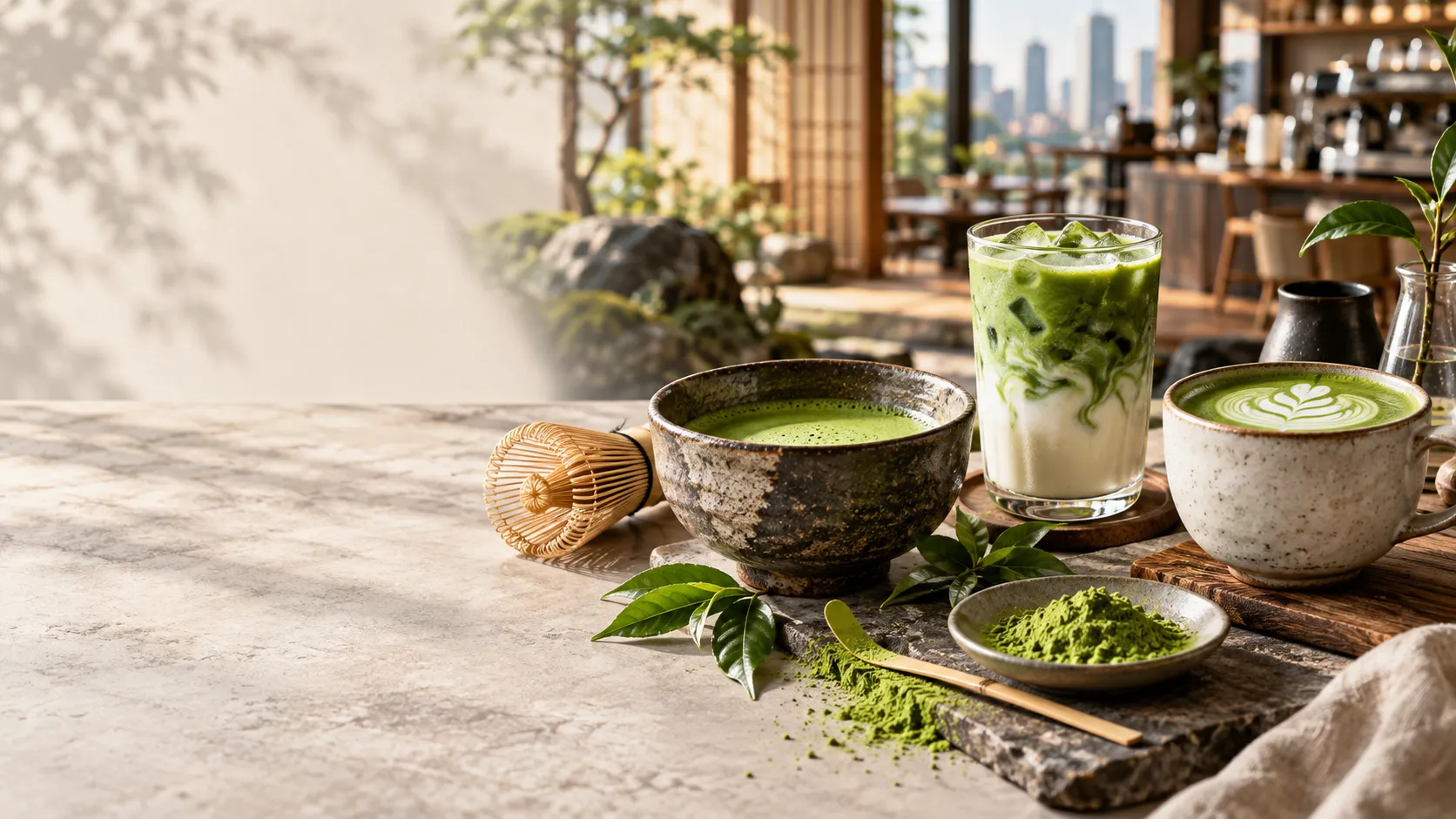
Matcha has transcended specialty Japanese tea shops and entered mainstream coffee chains, wellness menus, bakeries, and neighbourhood cafés globally. As of late September 2026, matcha-focused beverages are now a standard offering in functional beverage and specialty café concepts worldwide, reshaping how tea is positioned against coffee.
Chinese Counterfeit "Uji Matcha" Erodes Trust in Global Markets
Chinese-produced matcha falsely labelled as "Uji matcha"—a protected origin designation—has proliferated across 54 countries, with some batches reportedly containing spinach powder and other adulterants. This threatens the authenticity premium of genuine Japanese ceremonial-grade matcha and has prompted Japanese tea farmers and exporters to tighten certification and traceability.
Local view
NHK (October 2, 2026): Japanese public broadcaster NHK reported that the Kagoshima facility agreement marks a turning point: the prefecture, already Japan's largest tencha producer for six consecutive years, is betting that matcha demand will remain elevated long-term despite current supply tightness.
Kyushu Local News (September 22, 2026): Regional coverage noted that Kagoshima tea farmers are increasingly focused on differentiation and quality, aware that Chinese producers now control 70% of global matcha market share by volume. Local growers are investing in hand-picked, high-grade leaf to justify premium pricing and defend against commodity competition.
Context & numbers
- Tencha auction price: ¥19,000/kg (spring 2026), up 30–60% from pre-2025 baseline
- Tencha production (April–July 2026): 595 tonnes, the highest seasonal volume on record
- Japan FY2025 green tea exports: 13,125 tonnes (+42% YoY); powdered tea ~9,188 tonnes
- Export value (FY2025): ¥84.7 billion (more than doubled from prior year)
- Matcha portion of Japanese powdered tea exports: ~70% by volume
- Chinese counterfeit "Uji matcha" distribution: 54 countries identified
On the radar
- Sencha displacement risk: Japanese tea farmers converting sencha (brewed leaf) acreage to tencha (matcha raw material) may create secondary shortages in everyday tea, pushing consumers toward imported or lower-grade alternatives.
- Stone-mill capacity expansion: Leading matcha producers aim to double grinding output toward 1,000 tonnes/year by 2027; supply bottleneck may shift from leaf to processing capacity.
- Chinese tea–café trend: Young Chinese consumers are pivoting from milk tea chains toward premium loose-leaf tea culture (white tea, pu-erh, oolong), potentially reducing demand for matcha as a novelty ingredient in bubble-tea formats.
- Tariff exposure: US 2026 tariffs on Japanese matcha remain under review; exemptions are narrowing, which could redirect Japanese supply toward tariff-free markets in Asia and Europe.
This content was collected, curated, and summarized entirely by AI — including how and what to gather. It may contain inaccuracies. Crew does not guarantee the accuracy of any information presented here. Always verify facts on your own before acting on them. Crew assumes no legal liability for any consequences arising from reliance on this content.
Powered by
