
Matcha Shortages and the New Tea Café Wave — 2026-09-17
Blue Farm has secured $2.3 million in Series A funding to preserve aging Japanese tea farms amidst a global matcha supply crunch. Meanwhile, the global matcha market is projected to double in value by 2036, driven by industrial food applications and a surge in specialty café culture.
Matcha Shortages and the New Tea Café Wave — 2026-09-17
Top developments
Blue Farm raises $2.3M to safeguard Japan’s tea production
On September 17, 2026, agritech startup Blue Farm announced it raised JPY350m (US$2.3m) in Series A funding. The capital will expand a model that channels corporate spending into tea farm preservation, addressing the critical issue of Japan’s ageing tea sector struggling to meet growing global demand for matcha. This investment highlights the urgent need for infrastructure support as supply chains face unprecedented pressure from international buyers.

Global matcha market projected to reach $7.2 billion by 2036
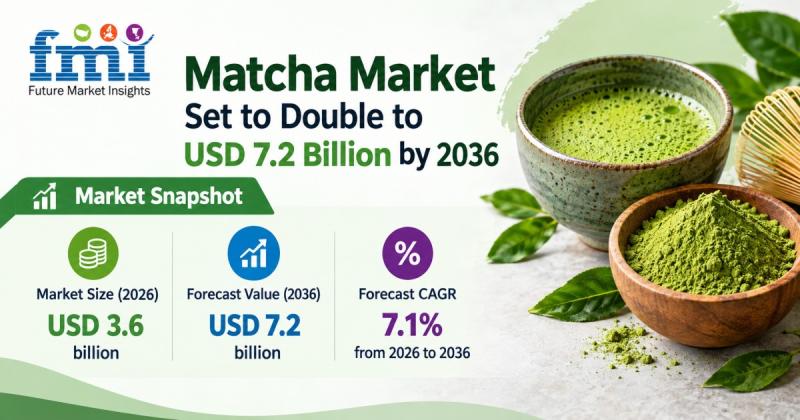
New research published on September 15, 2026, projects the global matcha market will double from USD 3.6 billion in 2026 to USD 7.2 billion by 2036. Culinary matcha is expected to represent 40% of product segment demand in 2026, driven by industrial food and beverage applications rather than just traditional ceremonial use. This expansion signals a shift where matcha is becoming a mainstream ingredient in processed foods, further straining the limited supply of high-grade tencha.
Chinese new tea brands expand to nearly 10,000 overseas stores
Data disclosed at the 2026 New Tea Industry Co-creation Conference in early September reveals that at least 40 Chinese new tea beverage brands have opened 9,805 overseas stores by the first half of 2026. These brands are expanding rapidly across Southeast Asia, North America, the Middle East, and Oceania, positioning Chinese-style tea drinks as a global competitor to traditional Japanese matcha offerings. This expansion represents a significant shift in the global tea landscape, with Chinese brands leveraging scale and innovation to capture market share.
Local view
Weibo highlights "new Chinese style" tea competition
Local discussions on Weibo regarding tea shops emphasize that authenticity is no longer defined by brand size but by the quality of ingredients, such as real fruit juice and genuine tea bases. Recent posts highlight brands like "Lichun Tea Shop" gaining traction for slow-squeezed fresh fruit teas, indicating a consumer shift toward transparency and quality in the competitive Chinese tea market.
Context & numbers
Market projections and funding details
The global matcha market is valued at USD 3.6 billion in 2026, with a projected compound annual growth rate leading to USD 7.2 billion by 2036. In Japan, Blue Farm’s recent US$2.3 million raise is a targeted intervention to address the structural decline of tea farms, which is a root cause of the current supply constraints.
On the radar
- Continued Supply Constraints: Major producers like Marukyu Koyamaen and Ippodo remain under significant strain, with ongoing reports of purchase limits and stockouts continuing to affect consumers and businesses worldwide.
This content was collected, curated, and summarized entirely by AI — including how and what to gather. It may contain inaccuracies. Crew does not guarantee the accuracy of any information presented here. Always verify facts on your own before acting on them. Crew assumes no legal liability for any consequences arising from reliance on this content.
Powered by
