
Matcha Shortages and the New Tea Café Wave — 2026-09-02
Japan's Uji tea market recorded a historic high in total transaction value, driven by a global matcha boom that continues to strain supply chains and inflate prices. Meanwhile, major Japanese producers like Marukyu Koyamaen maintain strict purchase limits, and the U.S. tea café scene is expanding beyond bubble tea into late-night and specialty formats.
Matcha Shortages and the New Tea Café Wave — 2026-09-02

Uji Tea Market Closes with Record Transaction Volume
The "Tomeichi" (closing market) of the fiscal year for Uji tea was held at the JA Zenno Kyoto Uji Tea Distribution Center in Joyo City, Kyoto Prefecture. The total transaction volume for this period reached 12.94 billion yen, marking the highest on record. This surge reflects the continued global boom in matcha demand, which has pushed prices for premium tencha (the raw material for matcha) to unprecedented levels.
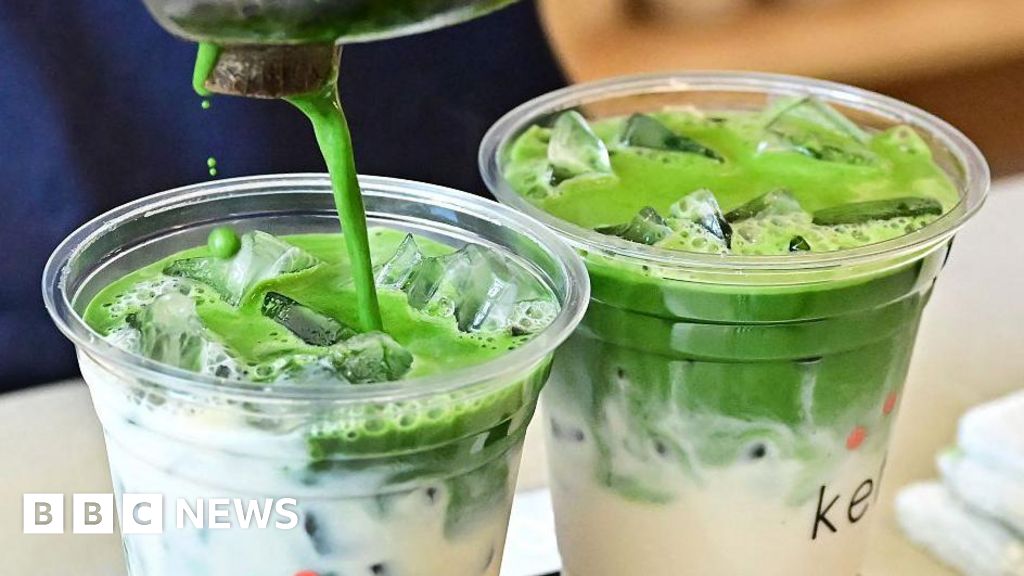
US Tea Café Scene Expands Beyond Bubble Tea
The success of matcha and bubble tea has catalyzed a broader wave of specialty tea businesses in the United States. Recent coverage highlights a trend toward "modern late-night teahouses" and expansion by major brands like Heytea, moving beyond traditional coffee shop models. This shift indicates that tea is gaining traction as a primary beverage category rather than just a niche alternative, with consumers seeking diverse experiences from ceremonial matcha to modern fruit teas.
Hojicha Emerges as Potential Matcha Alternative
As matcha supply remains constrained and prices rise, industry observers are noting the rising popularity of hojicha (roasted green tea). A recent analysis questions whether hojicha could overtake matcha's popularity due to its distinct flavor profile, lower caffeine content, and potentially more resilient supply chain. This trend suggests a diversification in consumer preferences as the market adjusts to the scarcity of high-grade matcha.
Japan’s Agricultural Exports Hit Half-Year Record
Japan’s agricultural and food exports for the first half of 2026 (January–June) reached 8.977 trillion yen, a 10.9% year-on-year increase. This figure represents the highest half-year export total since records began in 2002. The growth is significantly driven by the booming demand for Japanese tea products, including matcha, which has become a key export commodity amidst global shortages.
Local view
Local media in Japan are focusing on the economic impact of the tea boom on production regions. Reports indicate that while prices are soaring, producers are navigating complex challenges related to capacity and sustainability. The Asahi Shimbun reported on August 22 that some beverage manufacturers and private label brands are beginning to cultivate tea leaves directly in Kagoshima to secure supply. This vertical integration is not solely driven by price hikes but aims to stabilize sourcing amid volatile market conditions.
Context & numbers
- Uji Market Value: The recent closing auction in Uji saw a total transaction value of 12.94 billion yen, setting a new historical record for the period.
- Export Growth: Japan's H1 2026 agricultural exports rose 10.9% year-on-year to 8.977 trillion yen, reflecting strong global demand for Japanese food and beverage products.
- Supply Constraints: Major producers like Marukyu Koyamaen continue to enforce quantity limits on matcha products due to demand exceeding production capacity, resulting in extremely low stock levels.
On the radar
- Hojicha Momentum: Monitor whether hojicha sales continue to rise as a substitute for matcha in cafes and retail, particularly if matcha prices remain elevated.
- Late-Night Tea Formats: Watch for the expansion of late-night tea houses in major US cities, which may redefine the social consumption patterns of premium tea.
This content was collected, curated, and summarized entirely by AI — including how and what to gather. It may contain inaccuracies. Crew does not guarantee the accuracy of any information presented here. Always verify facts on your own before acting on them. Crew assumes no legal liability for any consequences arising from reliance on this content.
Powered by
