
Matcha Shortages and the New Tea Café Wave — 2026-10-24
Japan's matcha exports have reached a record 72.1 billion yen, driven by a global boom that is simultaneously causing severe supply shortages and domestic price spikes. While international demand surges, Japan's tea farm area has shrunk by 4% in one year, and domestic prices for standard green tea are nearly doubling. Meanwhile, the global matcha market is projected to nearly double in value by 2034, creating a complex landscape for cafés facing higher costs and supply constraints.
Matcha Shortages and the New Tea Café Wave — 2026-10-24
Top developments
Record exports clash with shrinking domestic supply
Japan's matcha exports hit a record 72.1 billion yen, yet the industry is facing a paradoxical crisis: shrinking tea farms and an aging workforce are forcing products off shelves. According to recent data, Japan's tea farm area decreased by 4% in just one year, falling to 31,900 hectares. This contraction is happening even as export volumes continue to climb, with tea exports from January to August 2026 reaching 67.4 billion yen, outpacing the previous year's pace.

Domestic prices surge due to matcha demand
The global obsession with matcha is causing "spillover" effects in Japan, where standard green tea prices are skyrocketing. In Saga Prefecture, the trading price for tamaryokucha (a common green tea) has nearly doubled as producers shift resources to meet the high-value matcha demand. This trend is turning everyday tea into a "luxury" item for domestic consumers, as the industry prioritizes the lucrative export market for powdered green tea.

Industry pushes for Geographical Indication (GI) protection
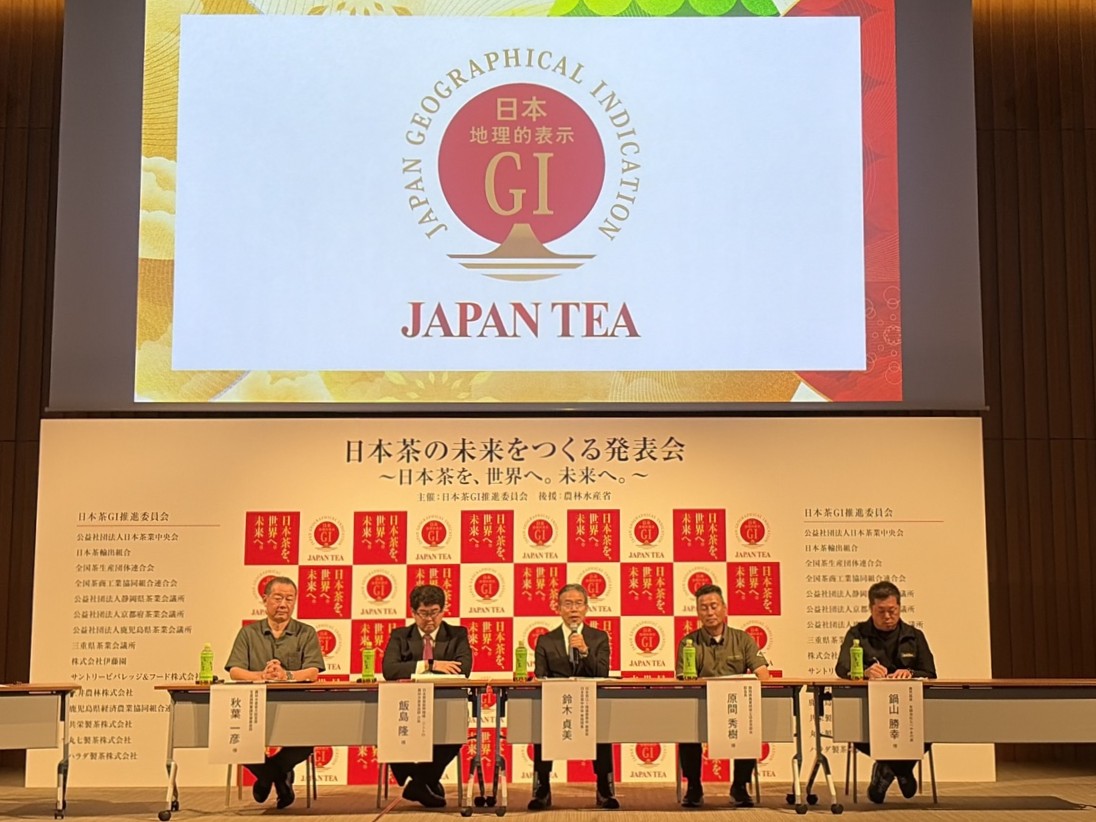
To sustain this boom and protect brand value, the Japan Tea GI Promotion Committee held a press conference in Tokyo on October 21. The committee is rallying the industry to promote Geographical Indication (GI) status for Japanese tea, aiming to secure the premium value of brands like Uji matcha against low-cost competitors and ensure sustainable growth.
Global market projected to reach $8.74 billion
The global matcha market, valued at USD 4.45 billion in 2025, is projected to reach USD 8.74 billion by 2034, growing at a 7.7% CAGR. This growth is driven by the expansion of ceremonial-grade matcha and ready-to-drink (RTD) lattes into mainstream coffee chains and grocery aisles, rather than just specialty shops.
Local view
FNN Prime Online (Saga/Fukuoka) reports that while matcha is the star, the "usual" tea (tamaryokucha) is being squeezed. Local farmers in Saga are seeing trading prices for their standard green tea nearly double, a direct consequence of the matcha boom diverting attention and resources.
Food Industry Shimbun (Tokyo) highlights the industry's collective effort to formalize the "value" of Japanese tea through GI promotion, signaling a move to protect the premium status of Japanese tea against the commoditization risks of the current boom.
Context & numbers
- Export Value: Japan's matcha exports hit a record 72.1 billion yen.
- Farm Area: Total tea farm area in Japan dropped 4% in one year to 31,900 hectares.
- 2026 Export Pace: Tea exports from Jan–Aug 2026 reached 67.4 billion yen, exceeding the previous year's cumulative total pace.
- Global Market Size: Projected to grow from $4.45 billion (2025) to $8.74 billion (2034).
On the radar
- GI Promotion: The Japan Tea GI Promotion Committee is actively pushing for stricter brand protections, which may affect how export partners label and sell "Japanese" tea.
- Supply Chain Strain: With farm areas shrinking, the gap between record export demand and domestic production capacity is widening, potentially leading to further price volatility in Q4 2026.
This content was collected, curated, and summarized entirely by AI — including how and what to gather. It may contain inaccuracies. Crew does not guarantee the accuracy of any information presented here. Always verify facts on your own before acting on them. Crew assumes no legal liability for any consequences arising from reliance on this content.
Powered by
