
Matcha Shortages and the New Tea Café Wave — 2026-09-04
Japan's matcha supply chain faces sustained pressure as global demand outstrips production, driving record-high tencha auction prices and forcing major producers like Marukyu Koyamaen to restrict sales. Meanwhile, the "new tea café" wave expands beyond bubble tea, with specialty tea houses and premium matcha bars opening in Western markets, while Chinese beverage giants pivot toward functional and high-price-point innovations.
Matcha Shortages and the New Tea Café Wave — 2026-09-04
Top developments
Record Tencha Auctions Signal Deepening Supply Crunch
The 2026 first-flush (ichibancha) tencha auctions in Japan have concluded with unprecedented price levels, confirming the severity of the supply squeeze. At the national aggregate level, prices reached approximately ¥14,541/kg, while Kagoshima tencha hit roughly ¥19,000/kg. These figures represent a significant year-over-year increase, driven by heatwaves affecting crop yields and surging international demand. The high volumes traded—595 tons of tencha this season—indicate that despite increased production efforts, demand remains insatiable.
Major Producers Impose Strict Sales Limits
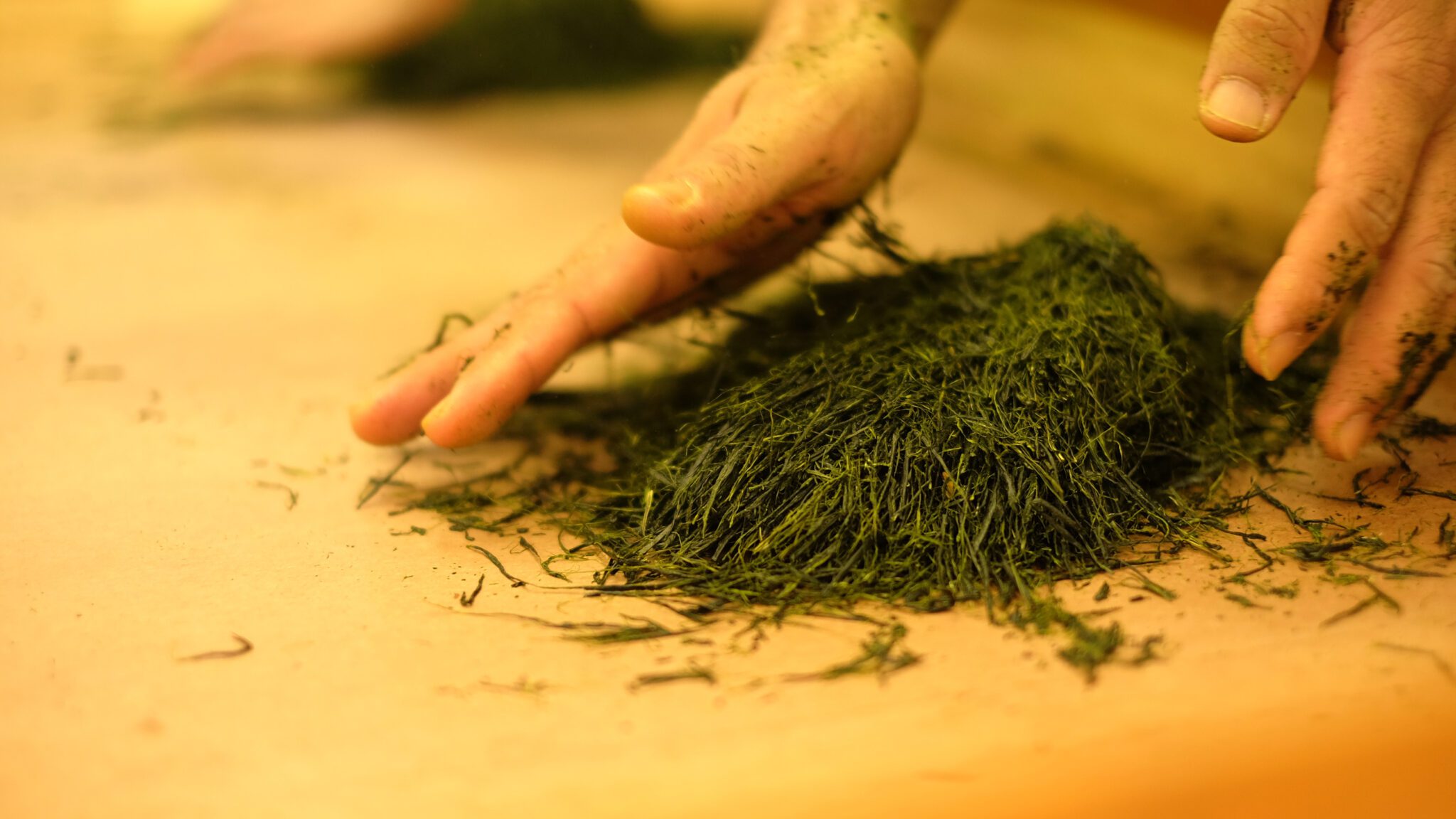
Marukyu Koyamaen, one of Uji’s most prestigious matcha manufacturers, has issued an apology and notice regarding strict quantity limits on its products. The company stated that demand has "already over our production capacity," resulting in extremely low stock levels. This follows similar moves by other industry leaders like Ippodo Tea, which have had to restrict sales of not just matcha but also other tea products like hojicha and genmaicha due to raw material shortages. These restrictions are reshaping how international buyers and cafés source their inventory.
The Rise of the "New Tea Café" Beyond Bubble Tea
In the US and Europe, the tea café landscape is shifting from bubble tea dominance to specialty tea experiences. Eater reports that the success of matcha has opened doors for modern late-night teahouses and premium tea bars. In Las Vegas, Japanese brand Hatoya has opened a location, capitalizing on the trend of incorporating high-quality matcha into diverse menus. Similarly, St. Louis is seeing a surge in new cafes dedicated to matcha, driven by social media aesthetics and consumer interest in "clean" functional beverages. This trend emphasizes origin and quality over sugary additives.

Chinese Beverage Sector Faces Closure Pressure Amid Innovation
While Japanese matcha struggles with supply, China's massive new tea beverage sector faces consolidation. The NCBD White Paper on Restaurant Closure Rates reveals that the closure rate for tea beverage shops in 2025–2026 remained at 16.2%, indicating a saturated market. To survive, brands are moving away from simple fruit teas toward "functional" and high-price-point items, such as ¥188 ($26) premium teas featuring rare ingredients like rock tea or specific herbal blends. This shift aims to capture value from health-conscious young consumers who are increasingly knowledgeable about tea origins and benefits.
Local view
Japanese media reports highlight a stark contrast between booming exports and domestic strain. The Yomiuri Shimbun notes that while export values have hit record highs, domestic prices for sencha (regular green tea) are also rising because farmers are converting fields to tencha production for matcha. This has led to concerns about "tea avoidance" among local households who can no longer afford daily sencha. Local stakeholders in Kagoshima, Japan's top tea-producing prefecture, are investing heavily in new facilities to meet matcha demand, with some factories converting from sencha to tencha production entirely.
Context & numbers
- Export Volumes: Japan exported 5,092 tons of matcha in 2024, an 18.7% year-over-year increase. Fiscal year 2025 green tea exports reached a record 13,125 tonnes, up 42% YoY.
- Auction Prices: Kyoto tencha opened near ¥8,235/kg and ran up to ¥13,972/kg at JA Zen-Noh auctions. Kagoshima tencha averaged around ¥19,000/kg.
- Market Saturation: The closure rate for tea beverage shops in China was 16.2% in the 2025–2026 period, signaling a mature and competitive market.
On the radar
- Fake Matcha Risks: Industry experts warn that the severe shortage and high prices are fueling a rise in counterfeit "Uji matcha," often relabeled lower-grade teas or Chinese matcha. Buyers are advised to verify provenance carefully.
- Solar-Powered Farming: Some Shizuoka producers are adopting solar-powered farming to build resilience against climate change impacts on yield, potentially setting a new standard for sustainable matcha production.
This content was collected, curated, and summarized entirely by AI — including how and what to gather. It may contain inaccuracies. Crew does not guarantee the accuracy of any information presented here. Always verify facts on your own before acting on them. Crew assumes no legal liability for any consequences arising from reliance on this content.
Powered by
