
Matcha Shortages and the New Tea Café Wave — 2026-09-08
Tencha prices in Japan have surged to over twice their previous levels, with Kagoshima reporting a 2.3x increase for first-flush tea, driving a global supply crunch. Simultaneously, the "new Chinese-style tea" sector is maturing, with major reports highlighting a 16.2% closure rate for tea shops and a shift toward functional ingredients and premium sourcing.
Matcha Shortages and the New Tea Café Wave — 2026-09-08
Top developments
Kagoshima Tencha Prices Hit Record Highs
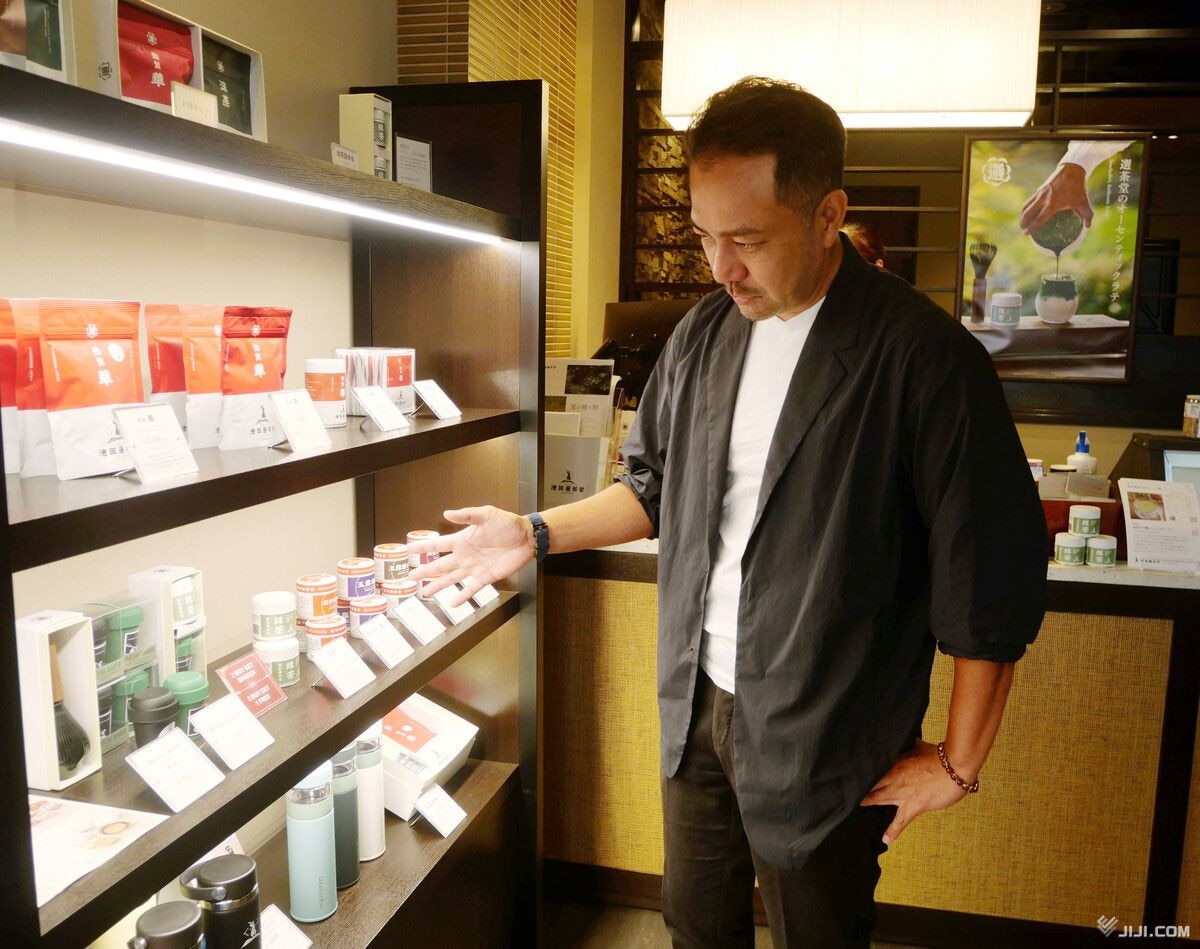
As of September 4, 2026, Jiji Press reported that the wholesale price of tencha (the raw material for matcha) has more than doubled due to intense domestic and international demand. This "bubble-like" situation is causing unexpected ripples, with some analysts noting that the high cost of matcha ingredients is making traditional kyusu (teapot) brewed green tea feel like a luxury item for households. The surge is particularly acute in Kagoshima, Japan’s top tea-producing prefecture, where the raw material shortage is forcing producers to prioritize matcha over other tea types
Chinese Tea Shop Closure Rates Remain High
A new white paper released by NCBD (Canbaodian) in late August 2026 revealed that the closure rate for tea beverage shops in China stood at 16.2% for the 2025–2026 period, unchanged from the previous year. The data highlights a regional disparity, with higher closure rates in northern cities and parts of southwest China, while central and southeastern regions show lower rates. This indicates that while the "new Chinese-style tea" trend continues to grow in popularity, the market is undergoing significant consolidation and competition

Functional Ingredients Drive Premium Pricing
In the competitive Chinese tea market, brands are increasingly leveraging "functional" claims to justify higher prices. A recent report from Sina Finance highlighted a 188 RMB ($26 USD) milk tea from a prominent new-style brand, which markets itself on high-protein content and premium ingredients like rock tea. This trend reflects a broader shift where consumers are willing to pay for perceived health benefits and ingredient transparency, moving beyond simple flavor profiles to "emotional value" and nutritional density
Local view
Jiji Press notes that while tea farmers are experiencing a boom, there is growing concern among industry veterans about the sustainability of this "bubble." The report highlights a cultural shift where the affordability of everyday green tea is eroding, potentially leading to an "o-cha banare" (drifting away from tea) among younger Japanese consumers who find traditional brewing too expensive compared to the allure of matcha products. Meanwhile, Chinese media outlets like Sina are focusing on the rigorous market filtering happening in the domestic tea café sector, emphasizing that only brands with strong supply chains and differentiated value propositions can survive the 16%+ closure rate environment.
Context & numbers
- Tencha Price Surge: In Kagoshima, first-flush tencha prices reached ¥13,910 per kg, a 2.3x increase year-over-year, according to local broadcaster MBC News.
- China Tea Shop Closures: The national closure rate for tea beverage shops in China was 16.2% in 2025–2026.
- Premium Pricing: High-end functional milk teas in China are reaching price points of 188 RMB per cup, driven by ingredient costs and health positioning.
On the radar
- Pu'er Shelf-Life Regulations: A recent response from Chinese health authorities regarding Pu'er tea labeling has clarified conditions for "long-term storage" claims, causing significant discussion in the tea investment community about compliance and valuation.
- Jasmine Tea Price Tiers: Consumer debates continue over the pricing tiers of jasmine tea, with brands like Zhongcha Butterfly facing scrutiny over quality consistency across their three main price points, as noted in recent social media discussions.
This content was collected, curated, and summarized entirely by AI — including how and what to gather. It may contain inaccuracies. Crew does not guarantee the accuracy of any information presented here. Always verify facts on your own before acting on them. Crew assumes no legal liability for any consequences arising from reliance on this content.
Powered by
