
Matcha Shortages and the New Tea Café Wave — 2026-09-19
Japanese tea producers are grappling with a surge in "fake Uji" matcha originating from China, which has spread to 54 countries, prompting calls for stricter origin labeling. Simultaneously, domestic supply chains are strained as farmers convert sencha fields to tencha (matcha raw material) to meet global demand, causing sencha shortages and driving bankruptcies in the traditional leaf-tea sector. In the US, specialty tea cafés continue to expand with new openings in San Francisco and Berkeley, while Chinese brands like Chagee leverage matcha collaborations to capture local market share.
Matcha Shortages and the New Tea Café Wave — 2026-09-19
Top developments
Chinese "Uji Matcha" floods global markets, sparking Japanese producer alarm
Reports published on September 18 highlight that matcha produced in Guizhou Province, China, is being marketed globally as "Uji matcha," a designation protected by Japan's geographical indication. This counterfeit labeling has reached 54 countries, including Japan itself, creating unfair competition for authentic hand-picked Uji producers. Japanese tea farmers and exporters are expressing urgent concern that the influx of lower-cost, often spinach-mixed imitations is diluting the brand value of genuine Japanese matcha.
Sencha shortage emerges as farmers switch to tencha for matcha boom
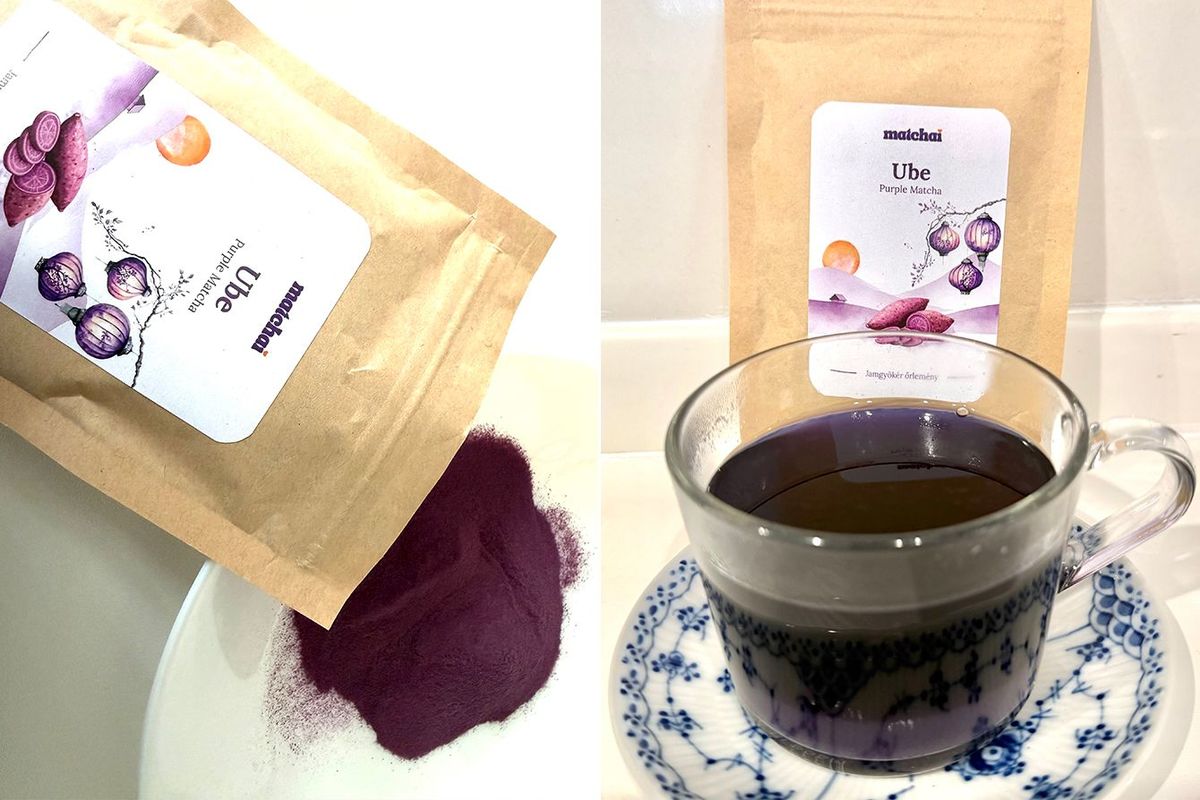
As of September 18, reports indicate that the global matcha boom is causing a secondary crisis in Japan: a shortage of sencha (steamed green tea). Farmers are rapidly converting traditional sencha fields to tencha cultivation because matcha offers higher margins due to export demand. However, converting back to sencha is difficult and time-consuming, leading to fears of long-term structural changes in Japan's tea agriculture and potential price spikes for everyday household tea.
Tea-related business bankruptcies hit 10-year high in Japan
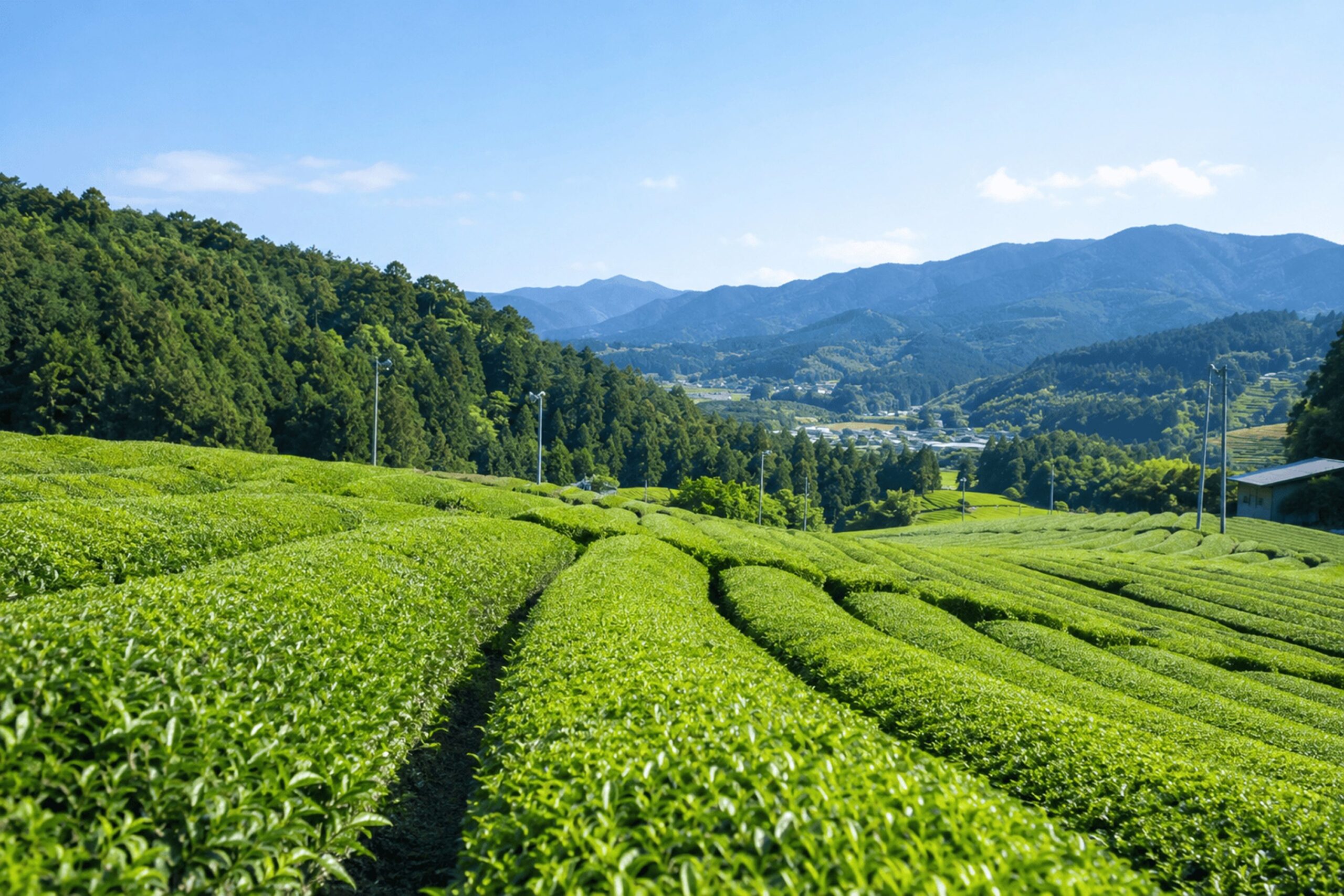
Data released on September 16 reveals that bankruptcies among tea-related businesses in Japan have reached their highest level in the past decade. The primary driver is the inability of small-scale producers to compete with the high costs of maintaining quality amid rising input prices and labor shortages. While major brands benefit from the matcha export boom, smaller leaf-tea producers are struggling, with some established firms like Koga Seicha launching matcha powder products just to survive.

Specialty tea cafés expand in the US Bay Area
In the United States, the specialty tea café trend continues to grow beyond bubble tea. Ceré Tea soft-opened its fifth Bay Area location in Downtown Berkeley on September 17, featuring ube matcha drinks and hiring baristas, signaling sustained consumer interest in high-quality, ceremonial-grade matcha offerings. Additionally, Q Specialty Coffee announced plans to open a new Howard Street location in San Francisco with a specific emphasis on tea drinks, reflecting a broader shift in coffee-centric venues toward diversified tea menus.

Chagee’s matcha collaboration drives social media engagement in China
On September 16, Chinese tea chain Chagee launched a matcha series collaboration with streetwear brand CLOT, featuring drinks like "Rich Matcha Vanilla Bean." The campaign generated over 210,000 likes on social media within a day, demonstrating the massive viral potential of matcha in the Asian market. However, this has also triggered consumer debates about authenticity, with online communities scrutinizing the difference between standardized industrial matcha and premium hand-picked varieties.
Local view
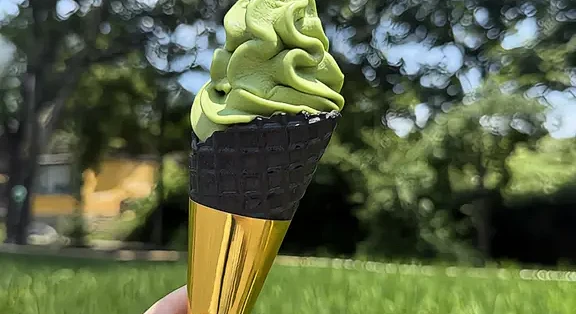
Japanese media outlets such as Sirabee and FNN Prime Online are focusing heavily on the negative externalities of the matcha boom, specifically the decline of traditional leaf-tea culture and the financial instability of small producers. President Online reported on the frustration of Japanese exporters who find their products competing against cheap Chinese "Uji" labels in European markets like Budapest, noting that consumers often cannot distinguish between high-grade hand-picked matcha and lower-quality alternatives without clear labeling.
Context & numbers
- Export Volumes: Japan's green tea exports reached 13,125 tonnes in fiscal 2025, a 42% year-over-year increase, with powdered tea (mostly matcha) accounting for approximately 70% of the volume (~9,188 tonnes). Export value doubled to ¥84.7 billion.
- Tencha Auctions: Tencha (raw matcha material) auction volumes reached 595 tons in the most recent season, the highest on record, yet supply remains tight relative to demand.
- Fake Matcha Spread: Chinese-produced matcha labeled as "Uji" has been identified in 54 countries, creating significant brand dilution risks for Japanese producers.
On the radar
- Shizuoka Production Shift: Recent reports indicate Shizuoka has reclaimed the top spot for first-flush production volume, partly due to farmers switching crops to matcha raw materials to meet overseas demand, which may further strain domestic leaf-tea supply in the coming months.
- US Tariff Impacts: Buyers are monitoring how 2026 US tariff exemptions (or lack thereof) on Japanese agricultural goods affect sourcing windows for cafes trying to maintain authentic supply chains.
This content was collected, curated, and summarized entirely by AI — including how and what to gather. It may contain inaccuracies. Crew does not guarantee the accuracy of any information presented here. Always verify facts on your own before acting on them. Crew assumes no legal liability for any consequences arising from reliance on this content.
Powered by
