
Matcha Shortages and the New Tea Café Wave — 2026-09-10
Japanese tea farmers are facing a severe supply crunch as global demand for matcha continues to outpace production, with tencha prices nearly doubling in key regions like Kagoshima. Meanwhile, in the United States, a new wave of Chinese beverage brands is expanding rapidly in urban centers, shifting consumer focus from traditional bubble tea to modern tea-centric experiences.
Matcha Shortages and the New Tea Café Wave — 2026-09-10
Top developments
Kagoshima Tencha Prices Surge Amid Global Matcha Boom
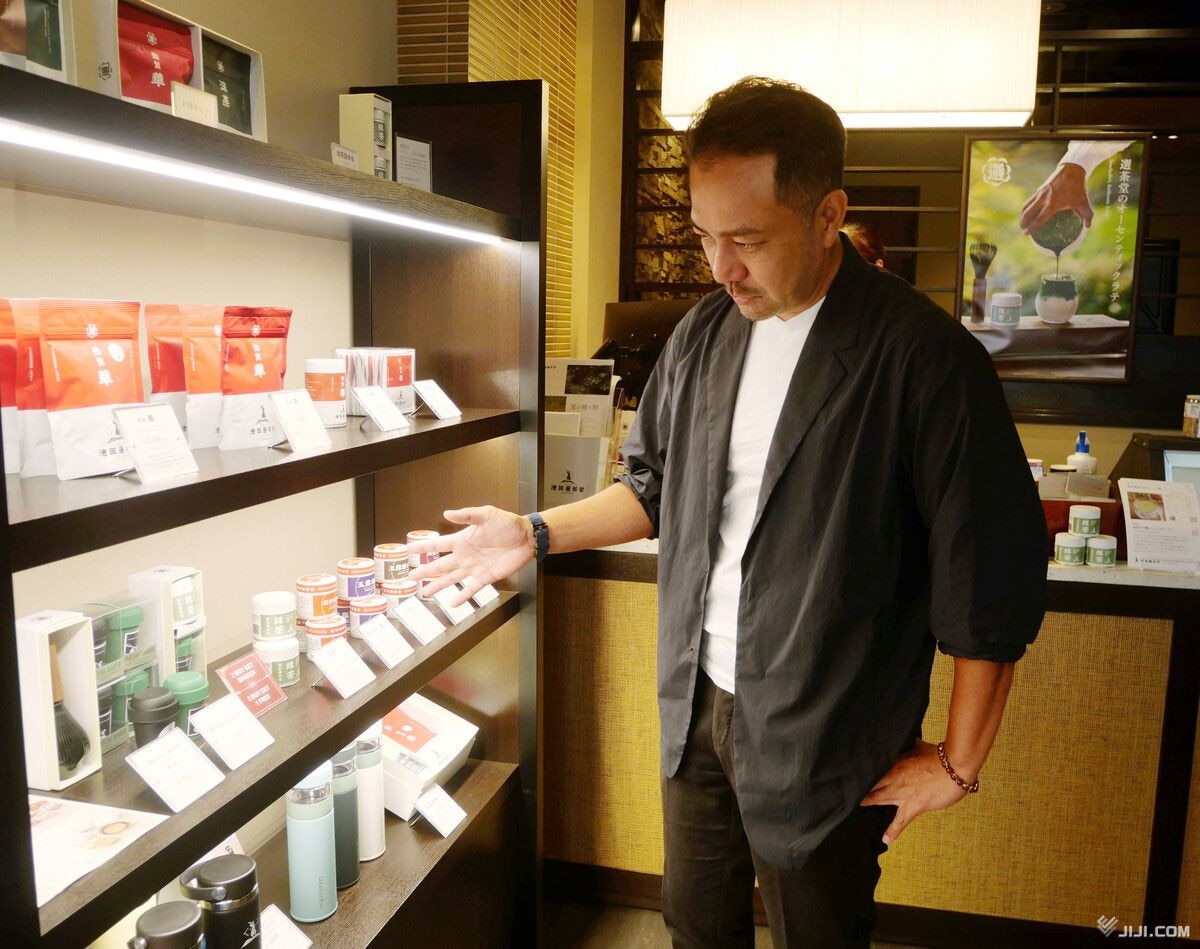
In early September 2026, reports from Jiji Press highlighted the intense pressure on Japanese tea farmers as the global matcha boom drives tencha (the raw material for matcha) prices to historic highs. The wholesale price of tencha has risen to more than double previous levels, creating a "bubble-like" atmosphere among producers but raising concerns about long-term sustainability and the potential for a domestic "tea departure" if prices remain prohibitive for everyday consumers. This surge is particularly acute in Kagoshima, Japan’s largest tea-producing prefecture, where auction prices have spiked due to relentless international demand.
New Wave of Chinese Beverage Brands Reshapes US Tea Culture
A new wave of Chinese beverage brands, distinct from the earlier bubble tea craze, is rapidly expanding in U.S. cities like Philadelphia’s Chinatown. These brands are focusing on high-quality tea bases and modern aesthetics, capturing a demographic that views tea as a sophisticated lifestyle choice rather than just a sweet treat. This trend signals a maturation of the Western tea market, where consumers are increasingly educated about tea origins and processing methods, moving beyond simple sugar-and-milk formats toward more authentic and varied tea experiences.

Caffeine Transparency Becomes a Key Differentiator in China
As of early September 2026, major Chinese tea chains like Chagee have begun implementing "caffeine gauges" on their menus, displaying specific caffeine content per cup (e.g., 105mg) to help consumers manage their intake. This move reflects a growing health-consciousness among younger consumers who are increasingly mindful of sleep quality and caffeine sensitivity. The transparency initiative is setting a new standard for the industry, forcing competitors to provide clearer nutritional information and positioning tea as a functional beverage rather than just a casual refreshment.
Local view
Local media in Japan, specifically Jiji Press, notes that while the export boom brings revenue to tea farmers, there is growing anxiety within the industry. Stakeholders worry that the sharp rise in tencha prices could lead to a decline in domestic consumption of traditional sencha, as consumers might find everyday tea too expensive. The sentiment among some producers is mixed; they welcome the economic boost but fear the volatility of a "bubble" market that could collapse if demand shifts or if substitutes become more prevalent.
Context & numbers
- Tencha Price Increase: In Kagoshima, recent auction data indicates that tencha prices have risen to approximately 1.8 to 2 times previous levels, driven by explosive demand for matcha exports.
- Export Volume: Japan’s green tea exports continue to hit records, with powdered tea (mostly matcha) accounting for a significant majority of the volume, pushing total export values higher despite supply constraints.
- Caffeine Standards: New labeling practices in China show specific caffeine amounts, such as 105mg per cup for popular blends, indicating a shift toward precise consumer information.
On the radar
- Mid-Autumn Festival Tea Gifting: With the Mid-Autumn Festival approaching in mid-September 2026, Chinese consumers are actively seeking premium tea gifts, leading to increased scrutiny on tea quality and caffeine content for evening consumption.
- US Market Expansion: Watch for further openings of Chinese tea brands in other major US cities, following the recent momentum in Philadelphia, as they compete with established matcha-focused cafés.
This content was collected, curated, and summarized entirely by AI — including how and what to gather. It may contain inaccuracies. Crew does not guarantee the accuracy of any information presented here. Always verify facts on your own before acting on them. Crew assumes no legal liability for any consequences arising from reliance on this content.
Powered by
