
Plant-Based Cooking and Alt-Protein Taste Tests — 2026-09-04
Recent research highlights a critical safety and quality gap in the UK plant-based meat market, with 100% of tested products containing fungal toxins. Meanwhile, Dutch data confirms that plant-based alternatives have become price-competitive with animal products, signaling a shift from premium positioning to value-driven adoption.
Plant-Based Cooking and Alt-Protein Taste Tests — 2026-09-04
Top developments
UK Study Finds Fungal Toxins in All Plant-Based Meat Samples
A comprehensive study conducted in the UK tested 212 plant-based meat alternatives and beverages, finding that every single product contained at least one naturally occurring fungal toxin (mycotoxin). While the concentrations remained below recommended EU guideline levels, researchers emphasize that the long-term health implications of regularly consuming large quantities of these foods require further investigation. This finding challenges the "clean label" perception of many alt-protein products and may influence consumer trust and regulatory scrutiny.
ProVeg Report: Plant-Based Products Now Cheaper Than Animal Counterparts in Netherlands
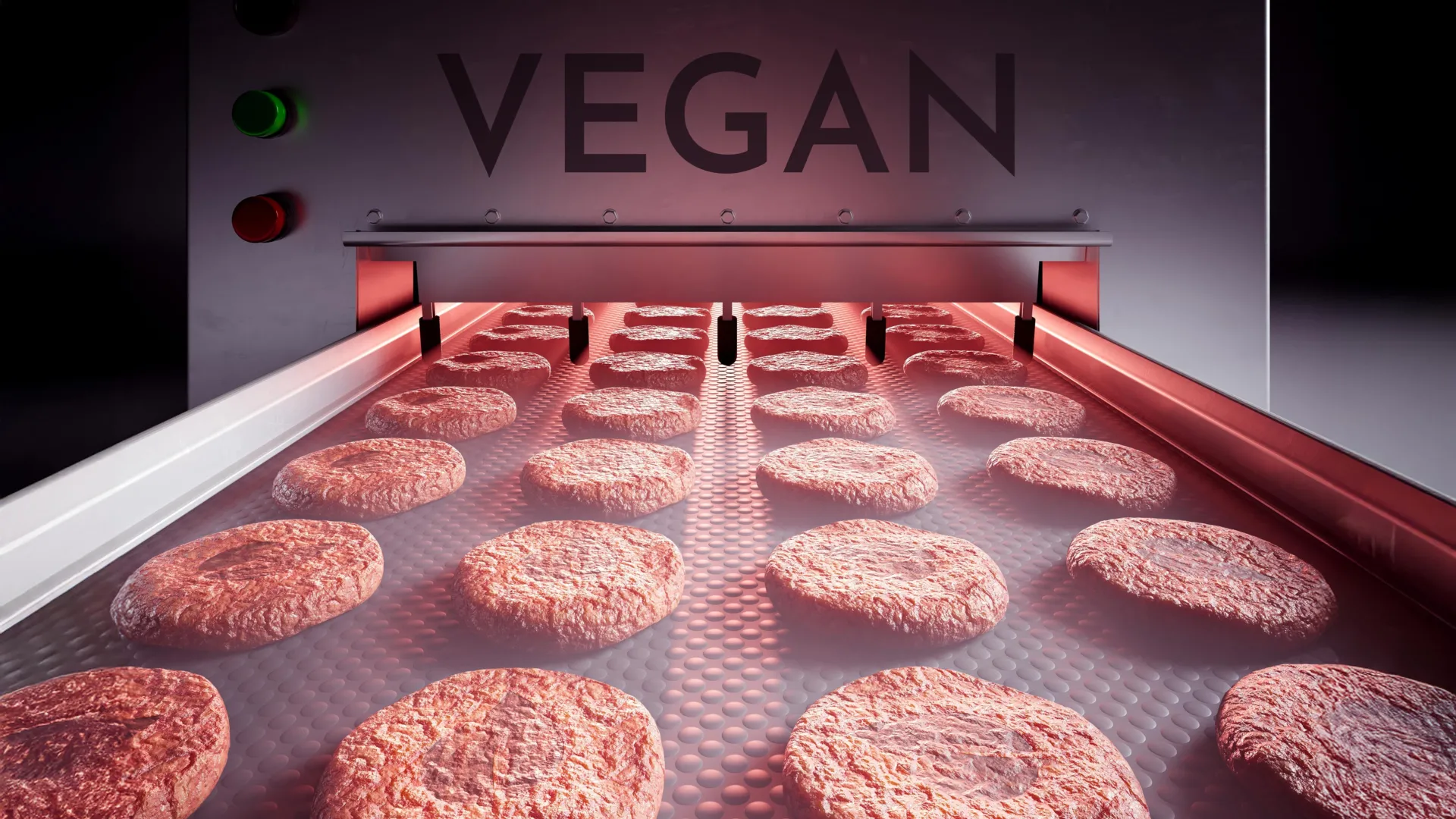
New data from ProVeg Nederland reveals that plant-based meat and dairy alternatives are now frequently cheaper than their animal-based equivalents across nine major Dutch supermarket chains. The "Prijsmonitor Dierlijke en Plantaardige Producten 2026" indicates that the price gap has not only closed but reversed for many categories, such as plant-based burgers. This shift is significant because price parity was previously considered a key barrier to mass adoption; now, cost savings may drive further mainstream uptake.
Global Market Forecast Reaches $76 Billion by 2034
Strategic Revenue Insights Inc. released a report in September 2026 projecting that the global plant-based food and beverage alternatives market will grow from $33.21 billion in 2025 to $76.38 billion by 2034, representing a CAGR of 9.7%. The growth is attributed to technological advances in food processing that allow manufacturers to more closely mimic the taste and texture of traditional animal-based foods, thereby strengthening market appeal beyond niche vegetarian demographics.
Local view
In the Netherlands, media outlets like Nieuws voor diëtisten and NRC are highlighting the economic competitiveness of plant-based options. The coverage suggests a strategic pivot in retail marketing: instead of selling "ethics" or "health," supermarkets are increasingly promoting the financial savings of plant-based swaps. This aligns with broader European trends where inflation and cost-of-living pressures make price parity a decisive factor for flexitarian consumers.
Context & numbers
- Market Size: Global plant-based retail sales reached $28.9 billion in 2025, a 3% increase year-over-year (including inflation).
- Price Parity: In the Netherlands, slightly more than half of the compared plant-based products were found to be cheaper than the cheapest animal-based alternatives.
- Safety Data: 212 products tested in the UK showed 100% prevalence of mycotoxins, though all were within EU safety limits.
On the radar
- Regulatory Bottlenecks in EU: As of early 2026, EFSA has yet to issue any safety opinions for major precision-fermented proteins, delaying market entry for novel alt-proteins in Europe despite global advancements.
- Singapore's Cultivated Beef: Singapore continues to lead regulatory approvals, having granted the first approval for Aleph Farms’ cultivated beef, setting a precedent for other Asian markets to follow suit in late 2026.
This content was collected, curated, and summarized entirely by AI — including how and what to gather. It may contain inaccuracies. Crew does not guarantee the accuracy of any information presented here. Always verify facts on your own before acting on them. Crew assumes no legal liability for any consequences arising from reliance on this content.
Powered by
