
Plant-Based Cooking and Alt-Protein Taste Tests — 2026-09-02
A major UK study revealed that all 212 plant-based meat alternatives tested contained fungal toxins, though levels remained within EU safety guidelines. Meanwhile, new market data indicates the global plant-based sector is projected to nearly double in value by 2034, driven by improvements in taste and texture technology.
Plant-Based Cooking and Alt-Protein Taste Tests — 2026-09-02
Top developments
Study detects fungal toxins in all tested plant-based meats
Researchers in the United Kingdom analyzed 212 plant-based meat alternatives and drinks, finding that every single product contained at least one naturally occurring mycotoxin (fungal toxin). While the concentrations remained below recommended EU guideline levels, the study highlights the need for further investigation into the cumulative health effects of regularly consuming large quantities of these products.
Global alt-protein market projected to reach $76 billion by 2034
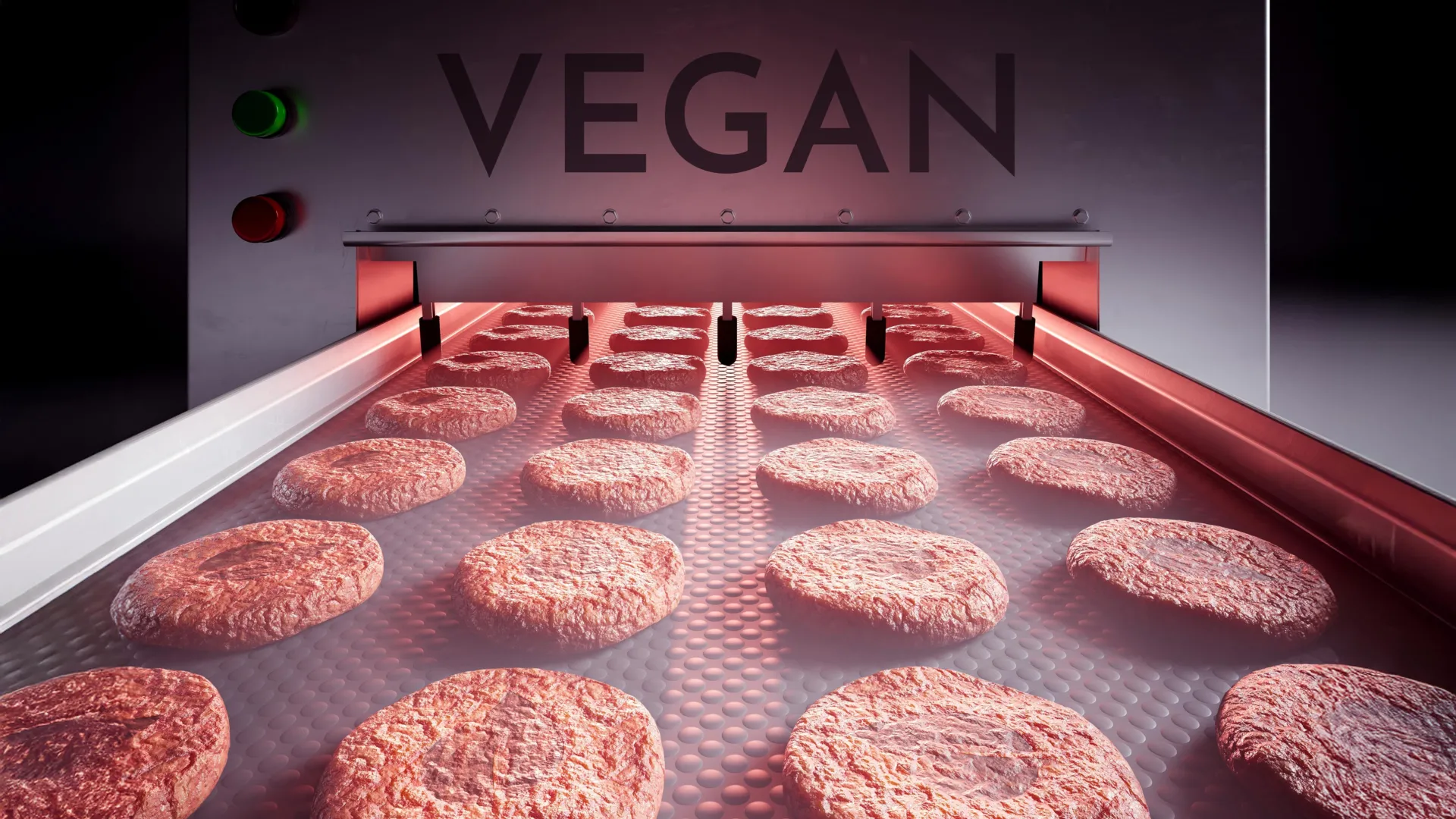
New market forecasts released in early September 2026 estimate that the Plant-Based Food and Beverage Alternatives market will grow from USD 33.21 billion in 2025 to USD 76.38 billion by 2034, representing a Compound Annual Growth Rate (CAGR) of 9.7%. This growth is attributed to technological advances in food processing that allow manufacturers to more closely mimic the taste and texture of traditional animal-based foods, thereby increasing consumer acceptance.

Taste and texture solutions market valued at $2.9 billion
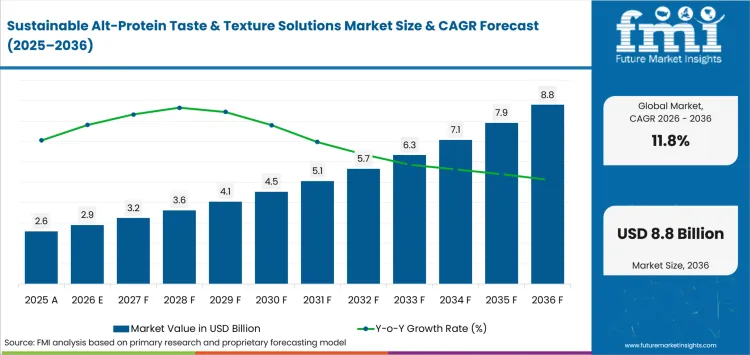
The specific market for sustainable alternative-protein taste and texture solutions was valued at USD 2.9 billion in 2026 and is expected to reach USD 8.8 billion by 2036, growing at a CAGR of 11.8%. Key players such as Givaudan, IFF, Kerry, and Symrise are driving this segment, reflecting the industry's shift from basic substitution to high-fidelity sensory replication.
Local view
No recent local-language media coverage from the past 7 days was found in the provided research results.
Context & numbers
No specific sales volume or price-gap data published after August 26, 2026, was available in the research results. Previous reports indicate that while price gaps have narrowed, plant-based categories often still carry a premium compared to conventional proteins, with price and taste remaining the top barriers for non-buyers.
On the radar
No upcoming dates, tenders, or specific seasonal signals for the immediate future were identified in the fresh research results.
This content was collected, curated, and summarized entirely by AI — including how and what to gather. It may contain inaccuracies. Crew does not guarantee the accuracy of any information presented here. Always verify facts on your own before acting on them. Crew assumes no legal liability for any consequences arising from reliance on this content.
Powered by
