
Plant-Based Cooking and Alt-Protein Taste Tests — 2026-10-17
This week highlights a major shift in plant-based meat production towards cost-effective contract manufacturing and the arrival of 3D-printed whole-cut alternatives in US supermarkets. Regulatory bodies in Europe are actively preparing expert frameworks for cultivated meat, while local markets in the Netherlands and Belgium show growing consumer resistance to overtly "plantaardige" (plant-based) labeling in favor of hybrid or health-focused messaging.
Plant-Based Cooking and Alt-Protein Taste Tests — 2026-10-17
Top developments
3D-Printed Whole-Cut Meat Launches in US Retailers
Date: October 15, 2026
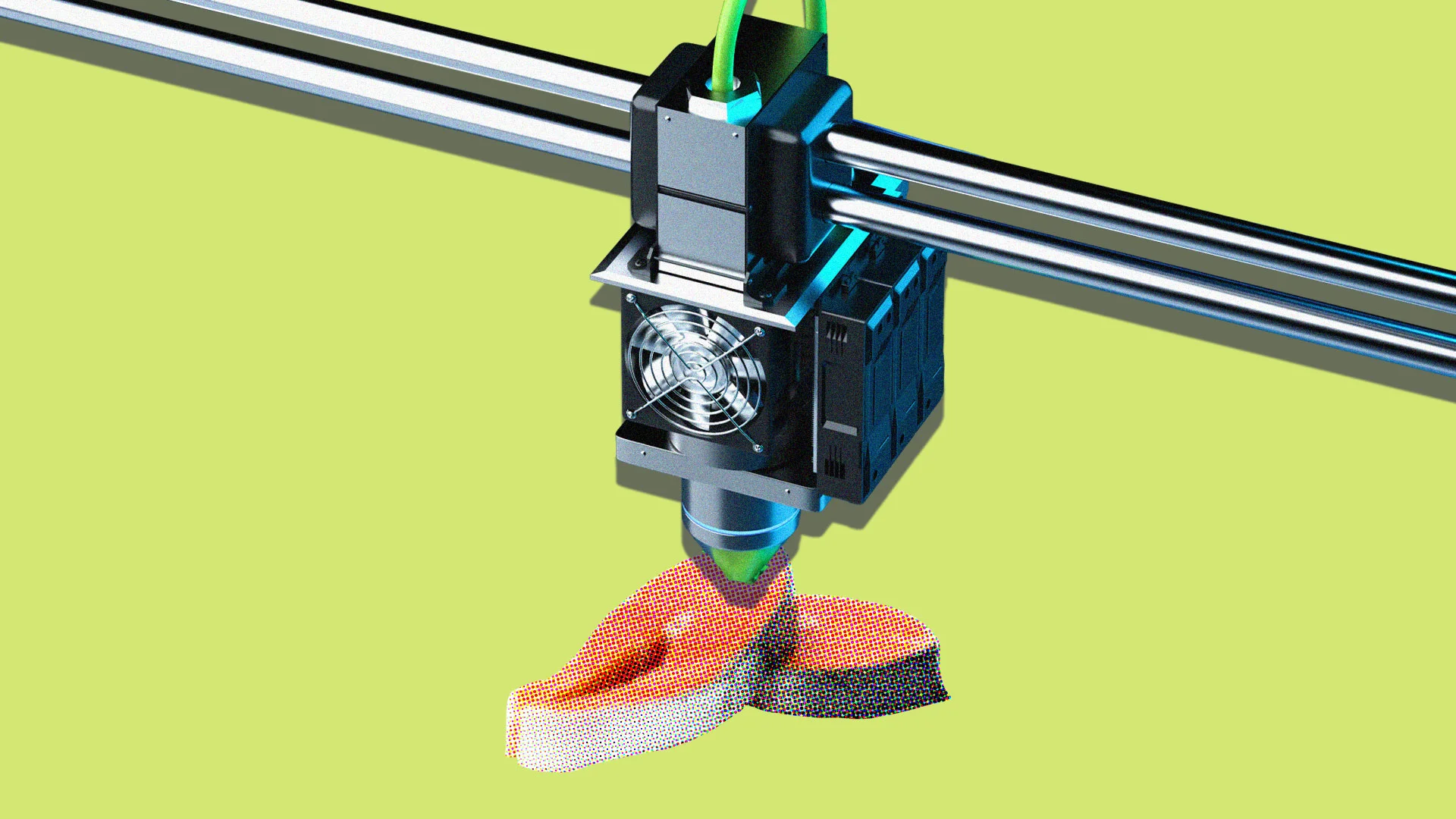
A new brand, Perfecta, has begun launching five types of 3D-printed plant-based meat and fish products in select retailers in the Northeastern United States. Unlike previous ground-beat alternatives, this technology layers proteins and fats to create whole-cut textures, aiming to bridge the gap between processed alternatives and traditional steak or fish fillets. This launch is significant for taste-test enthusiasts and supermarket menus as it introduces a new texture profile directly to the consumer, bypassing the traditional "nugget" or "patty" format.
Industry Shifts to Contract Manufacturing for Cost Control
Date: October 15, 2026
Food Navigator reports that plant-based meat producers are increasingly moving away from dedicated, capital-intensive facilities toward contract manufacturing and shared infrastructure. This strategy helps smaller companies save costs and retain flexibility amidst fluctuating demand, which has been a major pain point for the sector. For the market, this means more diverse product launches from smaller brands may appear on shelves as barriers to entry lower, potentially increasing competition in taste and price.

EFSA Builds Expertise for Cultivated Meat Approvals
Date: October 10, 2026
The European Food Safety Authority (EFSA) has announced it is developing in-house specialist expertise for cultivated meat and precision fermentation. This move is critical for the European alt-protein market, as it signals a preparation phase for handling future regulatory applications from companies like Upside Foods or local EU startups. By establishing scientific frameworks now, EFSA aims to streamline the approval process, which could accelerate the introduction of lab-grown products to European menus and supermarkets.

Whole Foods Predicts "Bean-Centric" Future for 2027
Date: October 14, 2026
Whole Foods Market released its 2027 food trend predictions, highlighting a shift toward simpler ingredient lists and "bean-based meals" over highly processed mock meats. This suggests a consumer pivot towards whole-food plant-based options rather than engineered alternatives, which will influence restaurant menus and grocery store planograms. For taste-testers, this indicates a growing preference for natural textures and flavors derived directly from legumes and vegetables rather than isolates.
%3Amax_bytes(150000)%3Astrip_icc()%2FGettyImages-1250677585-b418a87441a041aba2aefe9206f943d4.jpg)
Local view
Netherlands: The Rise of the "Hybrid" Burger Dutch supermarket trends indicate a strategic move toward hybrid products—meat mixed with plant-based ingredients—rather than standalone vegan options. Retailers report that "hybrid" burgers sell better than explicit "plant-based" labels because they appeal to flexitarians without the stigma of a full vegan swap. This local insight suggests that in markets like the Netherlands, the future of alt-protein on menus may be less about "vegan" branding and more about "reduced meat" or "healthier" formulations.
Belgium: Promotional Disparity A report by Landbouwleven highlights that only 1 in 10 promotional items in Belgian supermarket folders are plant-based, despite climate goals. This disparity suggests that while shelf presence may be growing, consumer visibility in price-sensitive channels remains dominated by animal products. This affects sales data, as plant-based items struggle to compete on price visibility in weekly advertising.
Context & numbers
- Market Growth Projection: The global meat alternatives market is projected to reach USD 33.93 billion by 2035, advancing at a 10.2% CAGR from 2026 to 2035. This long-term data supports the current investment in manufacturing shifts and new technologies like 3D printing.
- US Sales Trend: In contrast to global growth, recent GFI data indicates that plant-based sales in the United States have struggled, with some categories seeing declines. This discrepancy highlights the importance of the "hybrid" and "whole-food" trends gaining traction in specific regions like Europe.
On the radar
- Cultivated Meat Approvals: Following recent US approvals for cultivated products, watch for EFSA’s first formal guidelines on precision fermentation, expected to shape the next wave of EU product launches.
- VegNews Restaurant Awards: The 2026 winners were recently announced, with Denver emerging as a key hub for vegan dining. These results often influence restaurant menu innovations in the following months.
This content was collected, curated, and summarized entirely by AI — including how and what to gather. It may contain inaccuracies. Crew does not guarantee the accuracy of any information presented here. Always verify facts on your own before acting on them. Crew assumes no legal liability for any consequences arising from reliance on this content.
Powered by
