
Sourdough and the Artisan Bread Scene — 2026-10-23
The artisan bread sector faces a dual reality of premiumization and cost pressure, with viral high-priced loaves in New York contrasting sharply with rising ingredient costs in Europe and Israel. While German bakeries debate the value of a 20-euro loaf and French villages see a resurgence of local ownership, the global market for artisan bread is projected to triple in value by 2036. Consumer trends are shifting toward sourdough for its perceived health benefits, even as energy and flour prices force traditional bakers to raise prices or innovate.
Sourdough and the Artisan Bread Scene — 2026-10-23
Top developments
The $60 Loaf and the Premiumization of Sourdough
A viral story out of New York City highlights the extreme end of artisan bread pricing, where a bakery in SoHo charges $60 for a loaf of sourdough rye bread. This price point has sparked debate, with reports noting that a comparable loaf in Austria costs between $13 and $16. The disparity underscores a growing trend where artisan bread is marketed as a luxury good, driven by specific branding and location rather than just ingredient costs.

German Bakeries Defend High Prices Amid Cost Pressures
In Lüdinghausen, Germany, baker Jörg Terjung has defended his 20-euro "Landgrafenbrot" (Landgrave Bread), citing the use of a wood-fired oven, beechwood, and hours of preparation. While this is an extreme example, it reflects a broader tension in the German baking industry. Traditional bakers are grappling with rising raw material and energy costs, leading to price increases that often cause consumer friction. A family bakery in its eighth generation reported that even a 3.50-euro whole grain loaf causes some embarrassment for staff due to the high price, yet they feel they "cannot do otherwise" due to operational costs.

Sourdough Remains the Dominant Consumer Trend
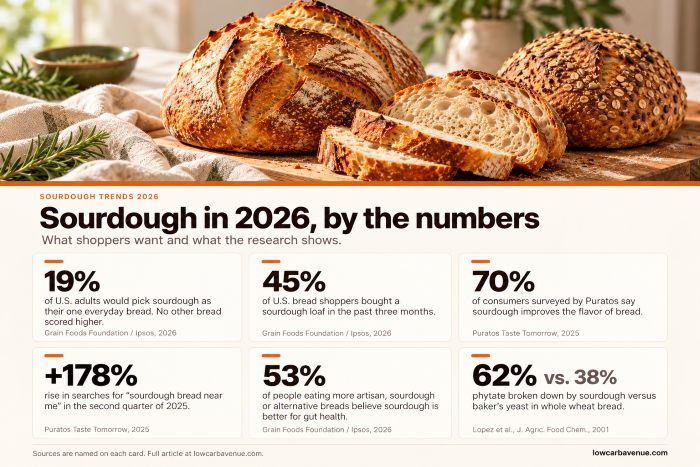
Despite economic headwinds, sourdough continues to lead the artisan bread category. Recent market analysis indicates that shoppers are increasingly prioritizing sourdough for its perceived digestibility and flavor, with 2026 trends focusing on low-carb and keto-friendly variations that maintain high fiber and protein content. This shift is not just a pandemic hangover; data suggests sourdough has become a permanent staple, with bakers innovating with new flavors and formats to keep the category fresh.
Local view
France: Village Bakeries Reopen Under New Ownership
In rural France, there is a notable movement of employee-owned bakery revivals. In Mayenne, two employees successfully took over the "L’Art du Pain" bakery, reopening it on October 21, 2026, after a change in ownership. Similarly, in La Séguinière, a bakery that had been closed for five months reopened on October 22, 2026, as "Le boulanger de La Seg," led by a second baker and a young pastry chef. These stories highlight a resilience in the French artisan sector, where local community support and employee entrepreneurship are keeping traditional boulangeries alive.
Austria: Vienna Bakery Focuses on Craft Despite Costs
In Vienna, the Bäckerei Szihn is doubling down on in-house production and sourdough techniques despite rising flour prices and energy costs. The bakery, which is participating in the "Bread Month" (Brotmonat) in October, emphasizes that while production is becoming more expensive due to a lack of skilled workers and higher input costs, they remain committed to traditional craftsmanship.
Context & numbers
The global artisan bread market is experiencing significant growth projections. It is estimated to grow from USD 1.0989 billion in 2026 to USD 3.2931 billion by 2036, representing a compound annual growth rate (CAGR) of 11.6%. This growth is driven by consumer demand for premium, natural, and heritage ingredients.
However, cost pressures are acute across the supply chain:
- Israel: Flour mills have announced a 10% to 15% price hike due to the ongoing Russia-Ukraine war, prompting price-controlled bread manufacturers to seek government approval for price increases.
- Germany: The German baking industry invests approximately 500 million euros annually in machinery, vehicles, and facilities, but the sector is also dealing with a consolidation trend where new founding rates are high but total business numbers are declining.
- Sri Lanka: Wheat flour prices have risen sharply following an immediate price hike decision by local flour companies.
On the radar
- Bread of the Year 2026: The German Bread Institute has designated Roggenbrot (Rye Bread) as the "Bread of the Year 2026," a title that will be heavily promoted in German bakeries and at industry events like the upcoming Green Week in Berlin.
- ECB Warnings: The European Central Bank has warned that food prices, including bread, are set to rise throughout the next year due to drought, energy price shocks, and geopolitical conflicts.
- Fresh Milled Flour Techniques: Home bakers and small-scale artisans are increasingly experimenting with fresh-milled whole grain flour, which requires adjusted hydration levels and longer rest times due to the bran and germ absorbing more water.
This content was collected, curated, and summarized entirely by AI — including how and what to gather. It may contain inaccuracies. Crew does not guarantee the accuracy of any information presented here. Always verify facts on your own before acting on them. Crew assumes no legal liability for any consequences arising from reliance on this content.
Powered by
