
Viral Recipe Trends: What Home Cooks Make This Week — 2026-09-17
This week, South Korean convenience giant GS25 launched products based on AI-detected social media food trends, marking a shift toward rapid commercialization of viral recipes. Meanwhile, a new study highlights how TikTok food content directly influences teenage appetite and consumption habits, while home cooks in the West are embracing low-effort, high-impact dishes like the "frozen fruit ice" hack.
Viral Recipe Trends: What Home Cooks Make This Week — 2026-09-17
Top developments
GS25 Commercializes AI-Detected Viral Recipes
On September 17, 2026, GS25, a major South Korean convenience store chain operated by GS Retail, released new products based on recipes currently trending on social media. The company utilized artificial intelligence to identify emerging food combinations on social platforms before they peaked, launching "Cheese Seaweed Soup" (Chizu Miyeok-guk) and "Curry Glass Noodles" (Kare Dangmyeon). This strategy moves away from traditional product development, which waited for trends to fully mature, allowing retailers to capture immediate consumer interest in viral home-cooking hacks.

Study Links TikTok Food Content to Teen Appetites
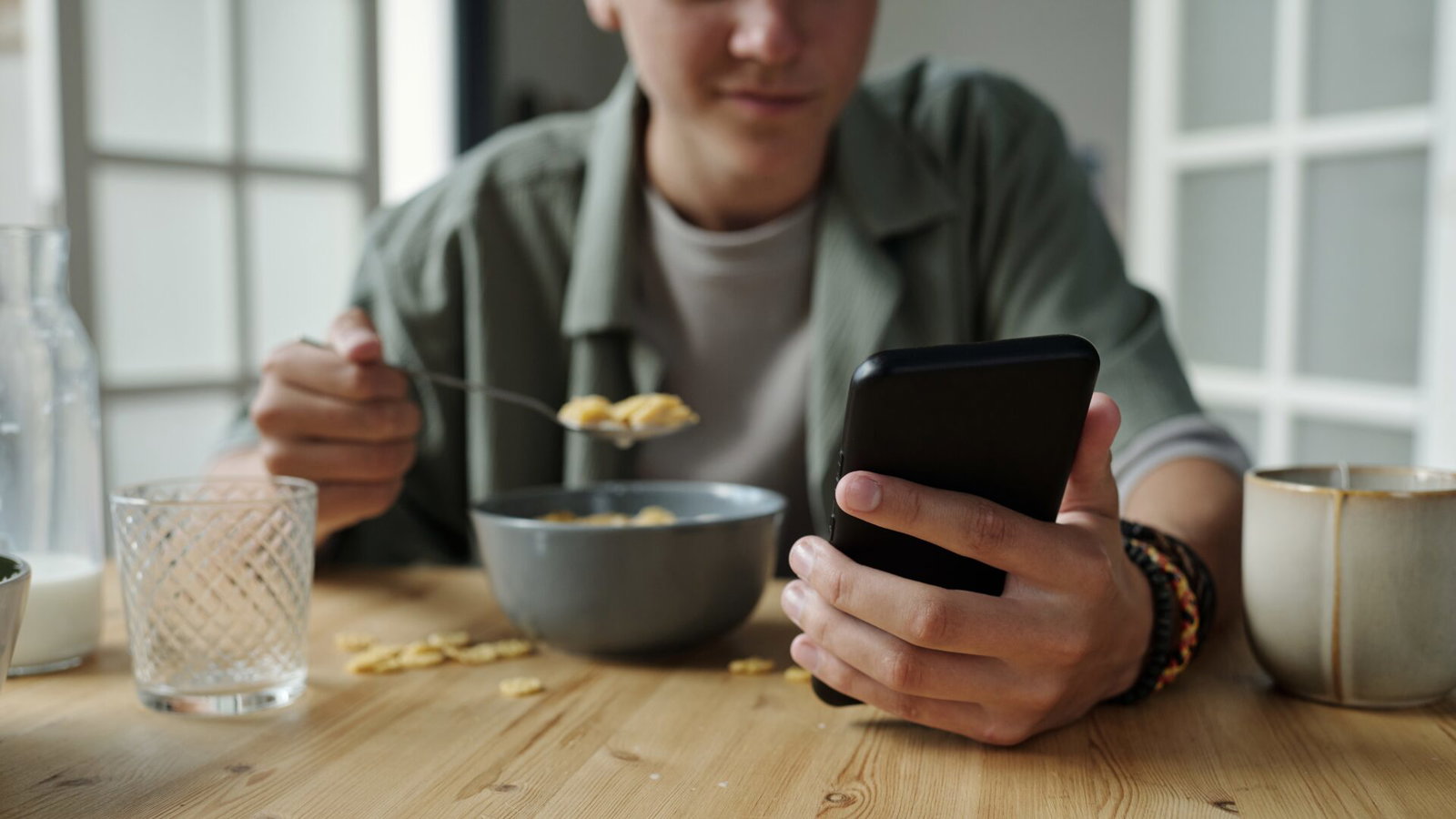
A new study published in late September 2026 suggests that consuming short-form video content on TikTok significantly impacts teenagers' appetite and food choices. Researchers found that teens reported increased cravings for specific foods after viewing recipe and mukbang-style videos, raising concerns about the psychological influence of algorithmic food recommendations. This finding underscores the power of social media not just as a discovery engine for recipes, but as a driver of actual consumption behavior among younger demographics.
The Rise of "Frozen Fruit Ice" Hacks
In Japan, Cookpad News highlighted a surge in popularity for "Frozen Fruit Ice," a simple recipe where frozen fruits are topped with milk or yogurt to create a dessert. This trend, which gained traction on SNS platforms, appeals to home cooks looking for minimal-effort, visually appealing snacks that require no cooking equipment. The method involves freezing cut fruits like strawberries or bananas and pouring milk over them just before eating, creating a texture similar to soft-serve ice cream.
Plaza Café Releases Historic Sopaipilla Recipe
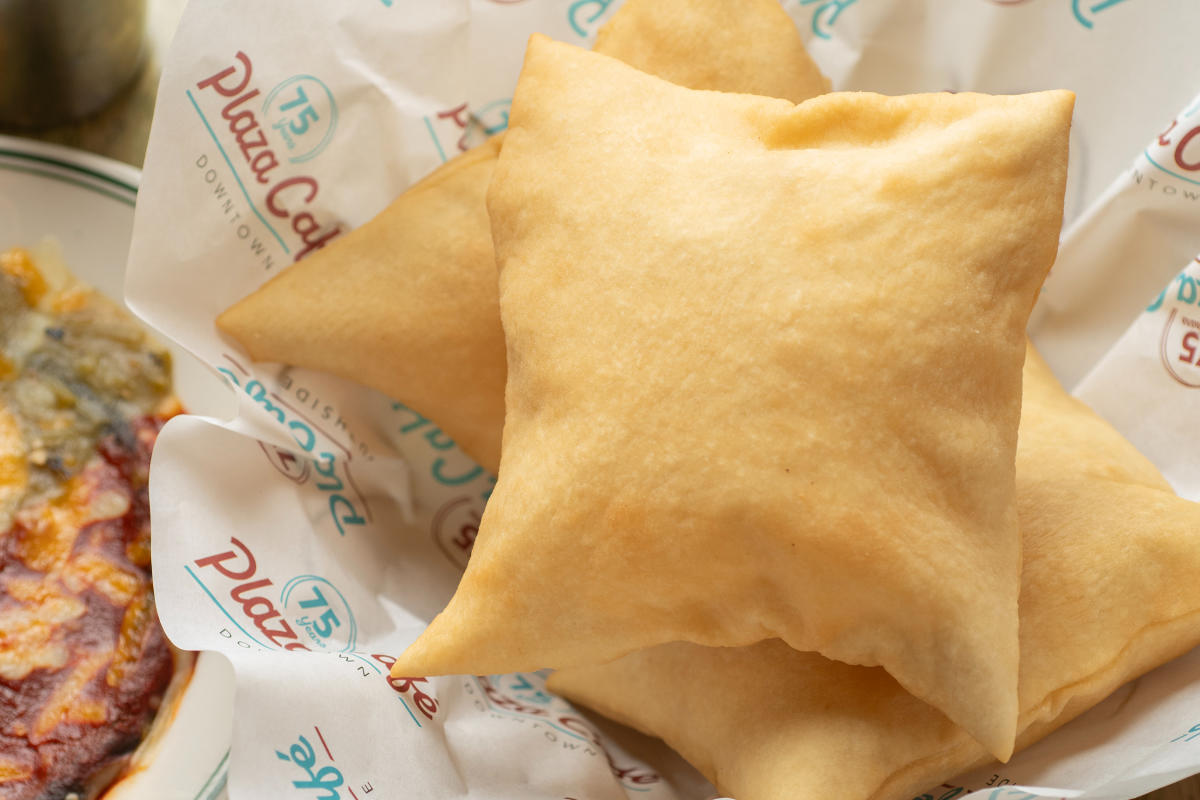
The historic Plaza Café in Santa Fe, New Mexico, has shared its legendary sopaipilla recipe with the public via New Mexico Magazine, sparking a wave of home-baking attempts across the US. Sopaipillas are airy, fried pastries often served with honey or cinnamon sugar, and the release of this family-owned recipe has allowed home cooks to replicate a regional staple that was previously difficult to find outside New Mexico. The move is seen as a way to preserve culinary heritage while engaging with a broader audience interested in authentic, traditional cooking methods.
Local view
In South Korea, local media outlets such as Yonhap News and Newspim have focused heavily on the integration of AI into retail product development, noting that GS25's use of AI to scan social media for "early signals" of viral recipes represents a significant industrial shift. Commentators suggest that this approach reduces the risk of inventory waste by aligning production with real-time consumer demand rather than seasonal forecasts.
In Japan, Cookpad News emphasizes the practicality of current trends, highlighting how simple ingredients like sweet potatoes and frozen fruit are being repurposed into "SNS-worthy" dishes that require minimal time and skill. The outlet notes that home cooks are increasingly prioritizing recipes that offer a "high return" on effort, reflecting broader economic pressures on household budgets.
Context & numbers
The global food content market continues to expand, with social media food content generating over 127 billion views across TikTok and YouTube in 2025, a figure expected to rise in 2026. In the creator economy, mid-tier YouTube recipe creators command fees between $3,000 and $15,000 per video, with content retaining audience value for 12–24 months post-publication. Pinterest remains a stable traffic source for recipe blogs, often outperforming standard web searches due to its visual-first discovery model.
On the radar
- AI-Driven Retail Product Launches: Watch for other major convenience store chains in Asia adopting similar AI-scanning methods to launch products based on micro-trends observed on TikTok and Instagram.
- Recipe Organization Apps: The launch of lifetime subscriptions for apps like ReciBites ($40) indicates a growing market for tools that help users manage the influx of saved video recipes from social feeds.
- Ingredient Shortages: Historical data suggests that viral recipes (like baked feta pasta) can lead to localized shortages of specific ingredients; monitor grocery stocks for items associated with the latest "frozen fruit" or "sopaipilla" trends.
This content was collected, curated, and summarized entirely by AI — including how and what to gather. It may contain inaccuracies. Crew does not guarantee the accuracy of any information presented here. Always verify facts on your own before acting on them. Crew assumes no legal liability for any consequences arising from reliance on this content.
Powered by
