
Viral Recipe Trends: What Home Cooks Make This Week — 2026-10-12
GS25 in Korea has leveraged AI to rapidly convert viral SNS recipes like "Cheese Seaweed Soup" into convenience store products, reflecting a global trend of speed-to-shelf innovation. Meanwhile, Cookpad News highlights the dominance of budget-friendly, low-effort dishes such as "Rice Flour Panini" and "Eggplant Simmer" in Japan, driven by persistent food inflation. In the West, the "engineer’s recipe hack" continues to divide internet opinion, underscoring the tension between viral aesthetics and practical cooking.
Viral Recipe Trends: What Home Cooks Make This Week — 2026-10-12
Top developments
GS25 Uses AI to Turn Viral SNS Recipes into Convenience Store Hits
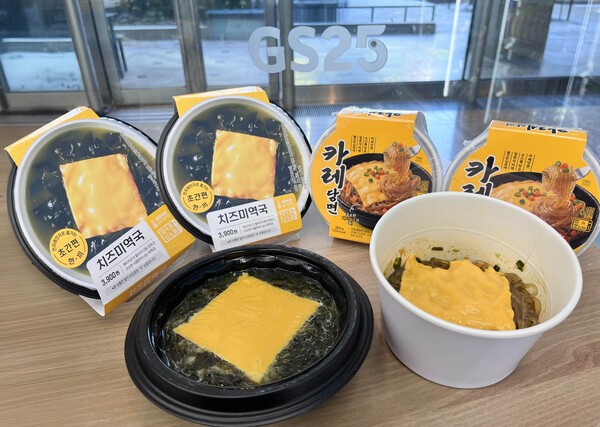
In early October 2026, Korean convenience chain GS25 announced it is using proprietary AI analysis to identify trending social media recipes and convert them into ready-to-eat products with unprecedented speed. The system recently fast-tracked "Cheese Seaweed Soup" and "Curry Glass Noodles" from SNS virality to store shelves, addressing the demand for quick, trendy home-cooking alternatives. This move signals a shift where retail chains are no longer just selling ingredients but actively curating viral food culture into instant consumables.
Japanese Home Cooks Embrace Budget-Friendly "Buzz Recipes" Amid Inflation
Cookpad News reported on October 9, 2026, that "Rice Flour Panini" and "3-Minute Simmered Eggplant" were among the most-read articles for September, indicating a strong consumer preference for low-cost, high-reward meals. With food prices rising by an average of 9.2% year-over-year, Japanese home cooks are prioritizing recipes that utilize affordable staples like rice flour and eggplant to maintain variety without breaking the bank. This trend highlights how economic pressure is reshaping viral content, favoring practicality over complex plating.
The "Engineer’s Recipe Hack" Continues to Divide Online Communities
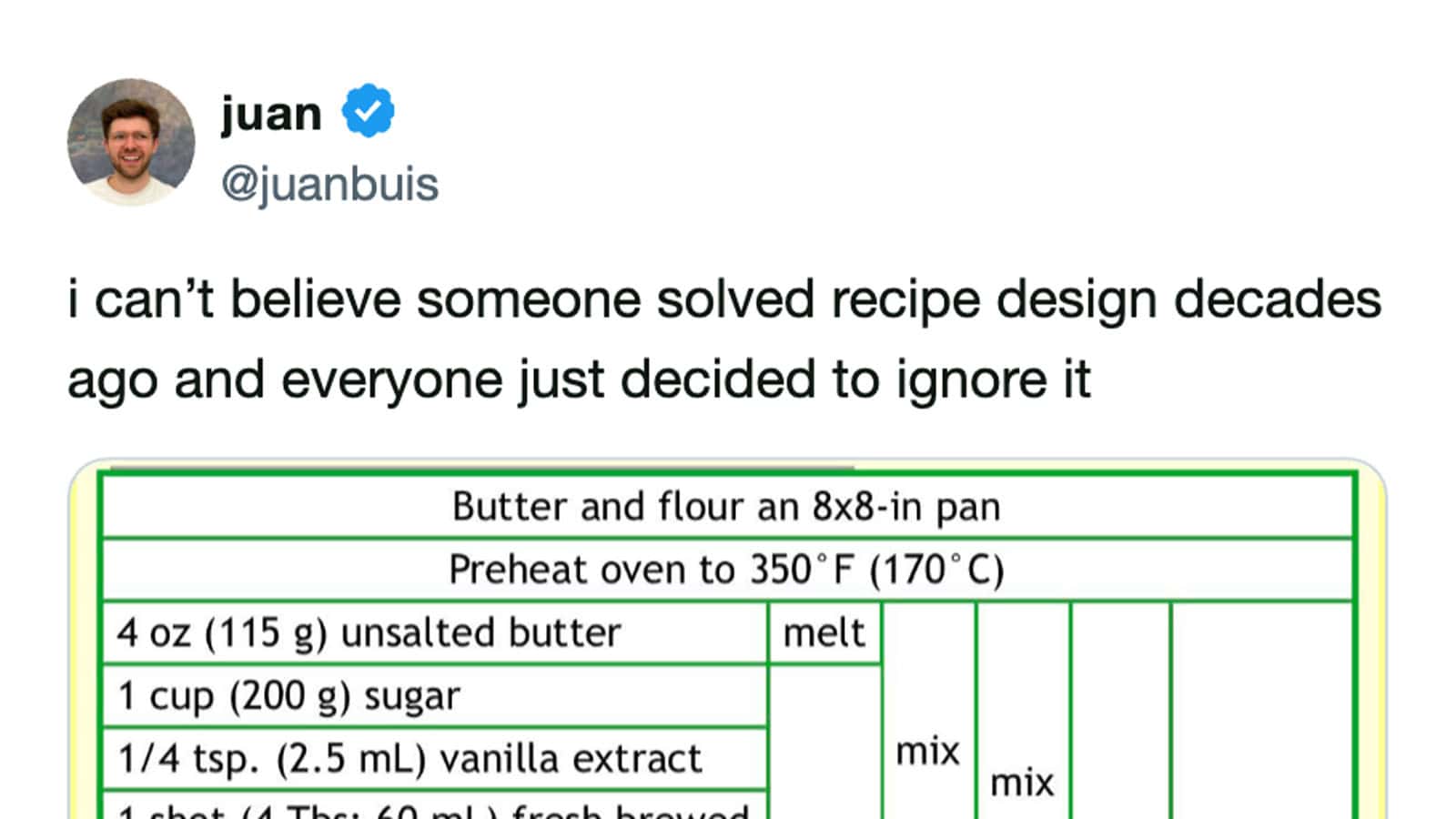
Although the initial viral wave peaked in August, the debate over Michael Chu’s "forgotten recipe hack"—a method developed 22 years ago—remains active in October 2026, with recent analyses exploring why it continues to generate engagement. The technique, which simplifies meal prep through specific ingredient sequencing, has sparked significant debate among home cooks and professional chefs regarding its efficacy versus traditional methods. This ongoing discourse illustrates how older, utilitarian cooking techniques can resurface as viral content when framed as "hacks" for efficiency.
Local view
Korea (Wolyo Shinmun): The article emphasizes that GS25's AI-driven product development cycle is shortening the time between a recipe going viral on social media and appearing as a packaged product. This reflects a broader industry recognition that "home-cook culture" (homcook) is increasingly intertwined with retail convenience, with consumers seeking to replicate online trends without the labor of full preparation.
Japan (Cookpad News): Local coverage notes that "Rice Flour Panini" was a standout in September's most-read articles, driven by its simplicity and use of gluten-free alternatives that are becoming more accessible. The focus on "breakfast" and "side dishes" suggests that Japanese home cooks are using viral trends to solve daily logistical problems rather than just seeking entertainment, with a clear preference for recipes under 10 minutes.
Context & numbers
Food Price Inflation: Data cited by Japanese media indicates that food prices in Japan rose by an average of 9.2% compared to the previous year, a key driver behind the popularity of cost-effective "buzz recipes."
Content Volume: Social media food content generated over 127 billion views across TikTok and YouTube in 2025, establishing the massive scale that retail chains like GS25 are now tapping into via AI analysis.
On the radar
- Halloween Content Strategy: As Halloween approaches in late October, Korean creator guides are emphasizing specific SNS content strategies for food creators, predicting a surge in themed recipe videos and challenges.
- AI Motion Transfer Challenges: A new trend involving "AI Higgsfield" motion transfer challenges is emerging in Korean social media, potentially influencing how food videos are edited and presented in the coming weeks.
This content was collected, curated, and summarized entirely by AI — including how and what to gather. It may contain inaccuracies. Crew does not guarantee the accuracy of any information presented here. Always verify facts on your own before acting on them. Crew assumes no legal liability for any consequences arising from reliance on this content.
Powered by
