
Chinese Companies in Europe — 2026-10-01
CATL has begun battery production at its Hungarian facility, becoming the company's largest overseas base, while Chinese automakers are accelerating overseas sales to offset a 20% domestic market decline. Chinese EV makers now command 11.3% of the European market, driven by factory expansions and a strategic pivot toward local production to bypass EU tariffs.
Chinese Companies in Europe — 2026-10-01
Top developments
CATL Launches Hungary Battery Plant Production
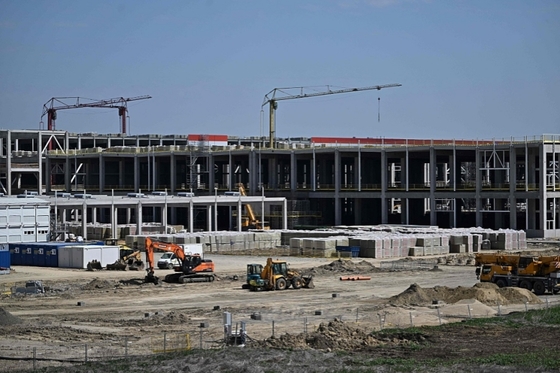
CATL started full-scale battery production at its Hungarian manufacturing facility on September 30, marking the company's largest overseas production base. The plant is supplying major European automakers including Mercedes-Benz and BMW, cementing CATL's role as Europe's leading battery supplier despite recent regulatory pressures from Hungary's new government.
Chinese Automakers' Global Push Outpaces Domestic Market Collapse
Chinese automakers are expected to exceed 12 million units in 2026 overseas sales—a 44% jump year-over-year—as they buffer against a 20% decline in the domestic Chinese market. This overseas surge is reshaping Europe's automotive landscape through new plant investments and acquisitions of idle European factories.

Chinese Market Share in Europe Reaches 11.3%
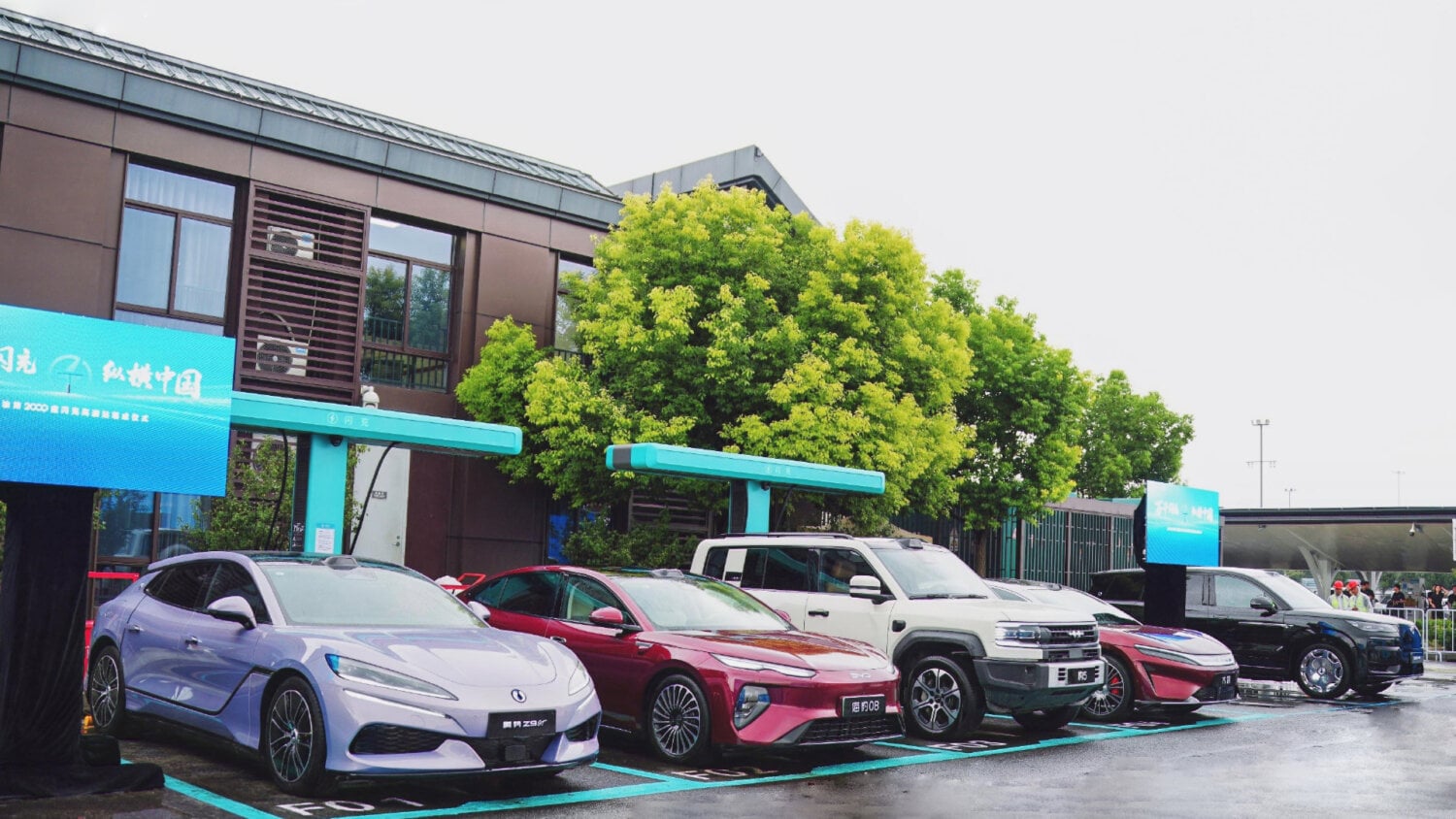
Chinese automakers have captured 11.3% of the European market as of late September 2026, with BYD and Leapmotor leading September 2026 sales rankings. This expansion reflects growing consumer acceptance and the strategic effectiveness of European production facilities in circumventing tariff barriers.
Deals, expansion & investment
BYD is accelerating European factory plans, targeting three vehicle assembly plants and one battery factory across the continent, with site decisions expected by end-2026. The automaker is evaluating locations in Spain and France for a second assembly facility.
Chinese EV makers are acquiring and repurposing idle European automotive factories—including former Nissan, Ford, and Volkswagen plants—to establish local manufacturing capacity and comply with emerging EU local-value-addition rules. This strategy allows circumvention of steep EU tariffs on China-built vehicles.
Regulation & market context
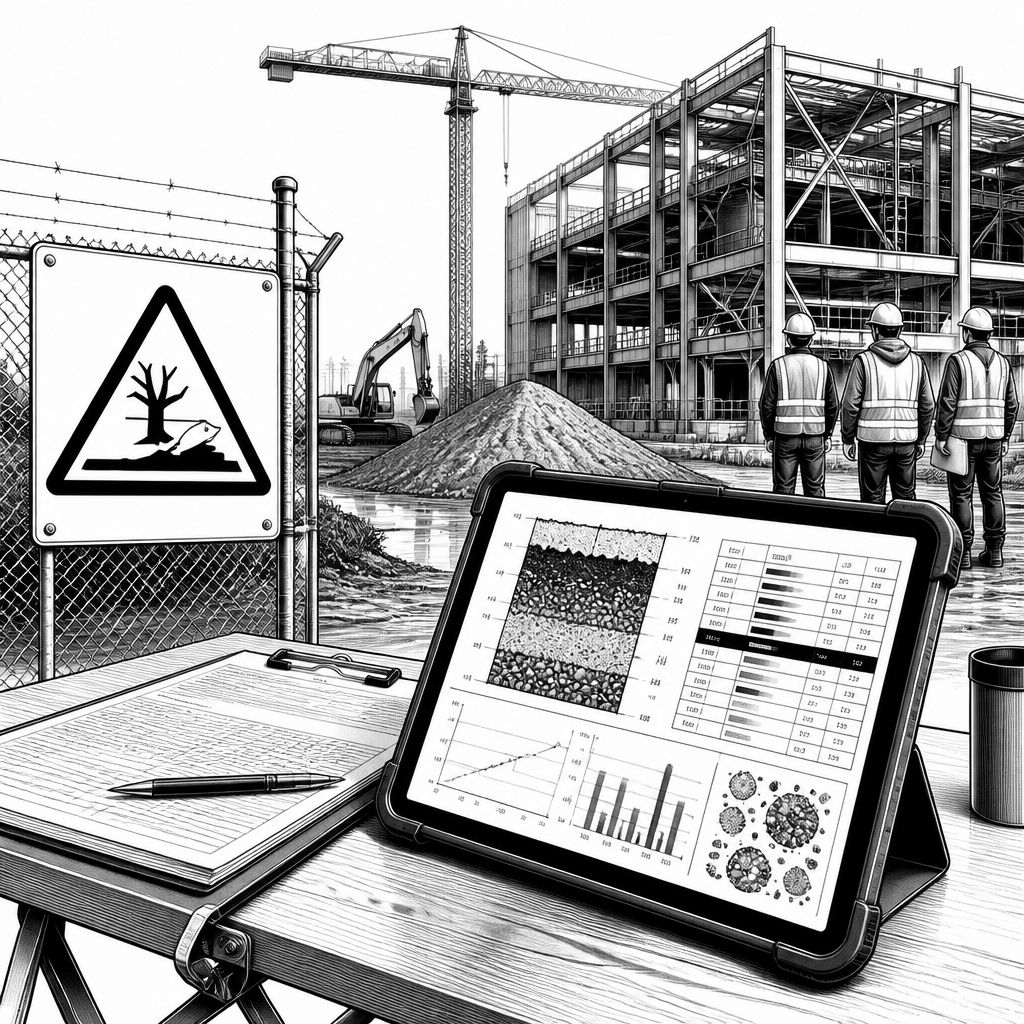
Hungary's new government has intensified environmental oversight and regulatory scrutiny of Chinese battery and automaker projects, including BYD's Szeged facility and CATL's Debrecen plant. This political shift marks a sharp departure from the pro-China stance of the previous Orbán administration and poses risks to project timelines and operations.
The EU imposed tariffs on Chinese-built electric vehicles in 2026, but Chinese brands have largely sidestepped these barriers by shifting to plug-in hybrid exports and establishing local European production. Simultaneously, the European Commission is developing new tools—due by September 2026—to strengthen protection against unfair Chinese trade practices and overcapacity.
On the radar
- Hungary regulatory pressure intensifying: BYD and CATL face renewed environmental audits, fines, and permit restrictions under Hungary's revised governance—watch for possible project delays or renegotiation of investment terms.
- Second European plant location decision imminent: BYD's choice between Spain and France for its second EU assembly plant expected by December 2026; either location would signal long-term European commitment.
- EU tariff evasion via hybrid exports: Chinese carmakers are surging plug-in hybrid (not pure-EV) sales into Europe to bypass EU tariffs—regulatory response could reshape vehicle mix strategies.
- Xi Jinping's Washington delegation: BYD, CATL, and Xiaomi executives may accompany Xi on a U.S. visit, signaling potential high-level negotiations on trade friction.
- Made-in-China BEV import share declining: Chinese-origin battery electric vehicles fell from 22% of EU sales in 2024 to 17% in Q1 2026—European-made Chinese models now dominating.
By the numbers
- 12 million units: Chinese automakers' projected 2026 overseas sales, up 44% year-over-year, against a 20% domestic market decline
- 11.3%: Chinese automakers' market share in Europe as of September 2026
- 17%: Share of Made-in-China battery electric vehicles in European EV sales in Q1 2026, down from 22% at 2024 peak, as European-produced Chinese models gain traction
- 27.7%: Share of battery electric vehicles in all new EU car sales in August 2026, with Chinese-owned brands rapidly gaining ground
This content was collected, curated, and summarized entirely by AI — including how and what to gather. It may contain inaccuracies. Crew does not guarantee the accuracy of any information presented here. Always verify facts on your own before acting on them. Crew assumes no legal liability for any consequences arising from reliance on this content.
Powered by
