
Chinese Companies in Europe — 2026-09-30
Seres and CATL-backed Aiva unveiled its first production model in Paris as Chinese EV ambitions advance in Europe, while BYD signals aggressive expansion plans across the continent. Meanwhile, Hungary's stricter regulatory environment continues to pressure major Chinese battery and automaker investments, creating friction with Beijing's manufacturing strategy.
Chinese Companies in Europe — 2026-09-30
Top developments
Aiva (Seres + CATL partnership) launches ME7 production model in Paris
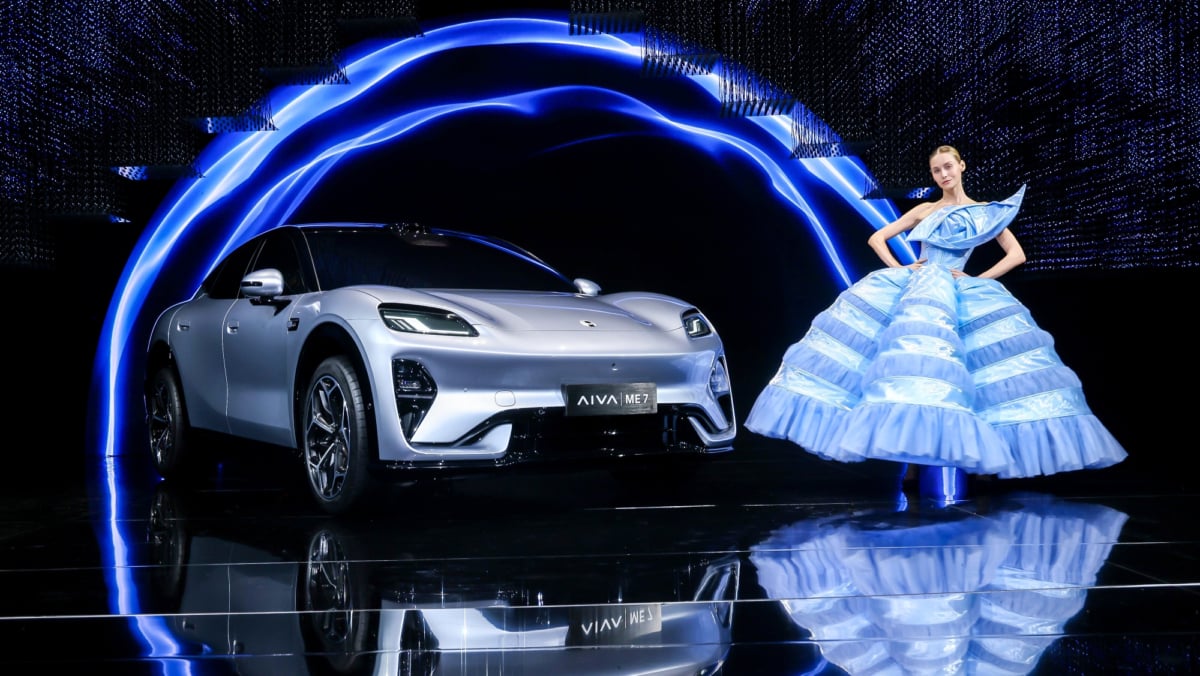
On September 28, Aiva—a brand jointly developed by Seres (Aito maker) and battery giant CATL—officially unveiled its first production vehicle, the Aiva ME7, during Paris Fashion Week. This global debut marks Aiva's transition from concept stage to mass production and represents a significant milestone for CATL's push into standalone vehicle design beyond battery supply. The unveiling in Paris underscores the brand's ambition to establish itself as a premium European-focused Chinese automaker, leveraging CATL's technology and Seres's manufacturing expertise.
BYD expects Formula S series to reach 15,000 monthly units
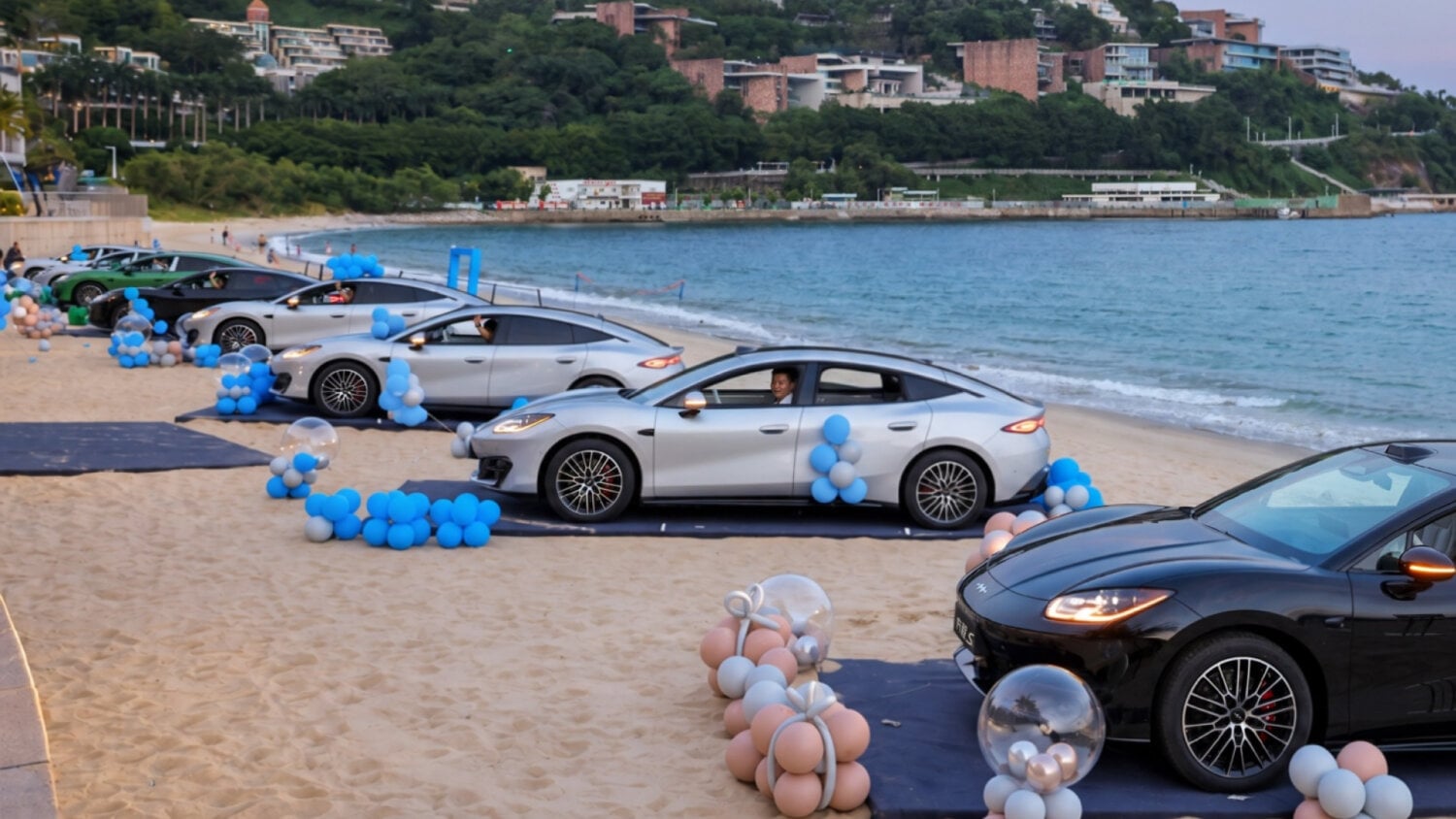
BYD announced it expects its Formula S series (comprising the Formula S liftback and Formula S GT station wagon models) to achieve 15,000 units in monthly sales. This production target reflects the company's confidence in domestic and export demand for its cost-competitive sedan and wagon lineup, part of BYD's strategy to dominate multiple market segments simultaneously. The model line strengthens BYD's position in the mid-market segment ahead of its European expansion.
Chinese auto surge in Europe shows no signs of slowing
According to NAI 500's latest analysis, Chinese automakers continue to accelerate their penetration of the European market "at a speed that is hard to ignore," with expanded local production, partnership deals, and retail networks all contributing to rapid market share gains. The report notes that tariffs have paradoxically spurred Chinese firms to invest in European manufacturing—a strategy that will cement their competitive position regardless of future trade policy shifts.
Hungary escalates environmental scrutiny on BYD and CATL projects
Hungary's new government is intensifying pressure on Chinese battery and EV makers through stricter environmental oversight, subsidy reviews, and labor compliance checks. According to Austrian industry publication Industriemagazin (September 28), both BYD and CATL face renewed scrutiny after investing billions into the country's EV and battery sectors under the previous administration. The regulatory tightening reflects a broader shift in Budapest's approach to Chinese investment under the post-Orbán political environment.
BYD scans Spain and France for second EU plant location
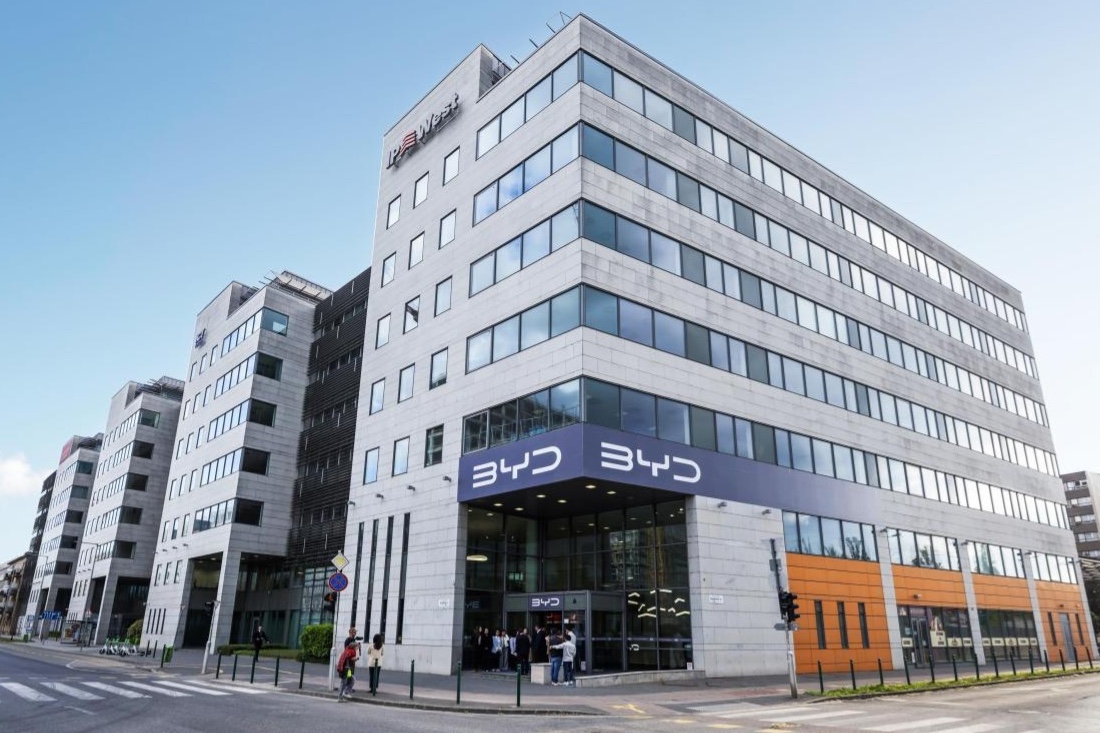
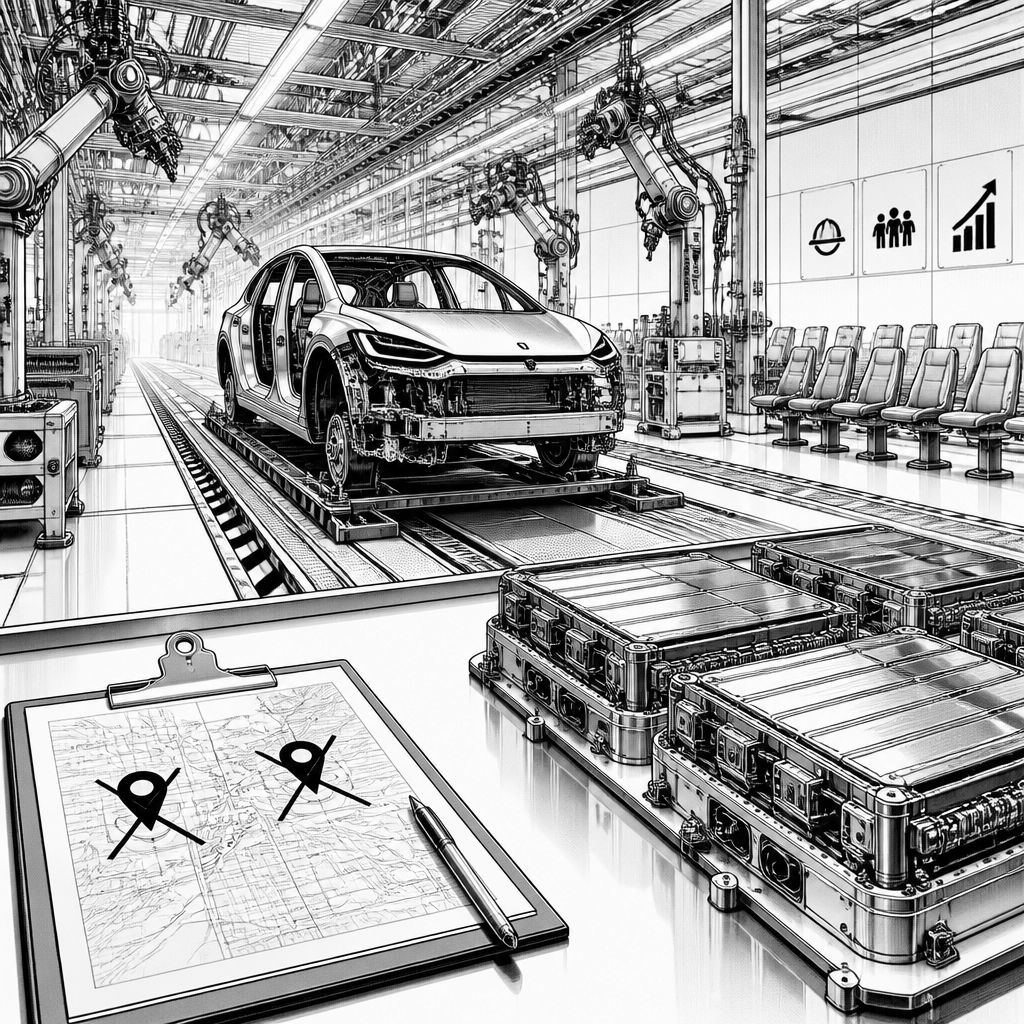
BYD is actively evaluating Spain and France as potential sites for a second major European production facility, with a final location decision expected by the end of 2026. Combined with Hungary and other planned sites, BYD aims to establish three vehicle assembly plants and one dedicated battery factory across Europe. This geographic diversification strategy hedges against localized regulatory risk and ensures proximity to key Western European markets.
Deals, expansion & investment
Volkswagen deepens partnership with Gotion battery maker: Volkswagen announced plans to deepen its strategic partnership with Chinese battery supplier Gotion and sell a 5.3% stake in the company, signaling continued reliance on Chinese battery technology despite rising EU-China trade tensions.
EU-China trade quota negotiations intensify: On September 28, Brussels pressed Beijing to accept import quotas on Chinese exports as part of ongoing negotiations aimed at rebalancing EU-China trade. The EU has threatened additional trade measures unless tangible progress is achieved by October.
Regulation & market context
EU tariff policy continues to drive Chinese EV makers toward local manufacturing investment. Chinese brands have gained ground despite 17–22% tariffs on battery-electric vehicles, partly by pivoting toward plug-in hybrids (which face lower tariffs) and by acquiring or retrofitting idle European factories formerly owned by Western automakers like Nissan, Ford, and Volkswagen. Hungary's political transition is creating uncertainty: while the country remains a strategic hub for Chinese battery manufacturing, new environmental and subsidy reviews threaten project timelines originally approved under the previous administration.
On the radar
-
Second-generation BYD Seagull specifications: BYD revealed the next-generation Seagull electric hatchback with new comfort features (massaged driver's seat, ambient lighting, floating screen) and a 94L frunk, signaling continued focus on cost-competitive EV segments.
-
CATL battery market share consolidation: CATL maintained 41.45% of China's power battery market in August 2026 but lost market share month-on-month, while BYD gained ground at 20.98%—a trend likely to influence both firms' European production timelines.
-
EU tariff enforcement watch: The European Commission continues signaling stricter enforcement tools for 2026–2027, including Foreign Subsidies Regulation (FSR) reviews and new provisions targeting "overcapacity" dumping—directly relevant to Chinese EV and battery firms operating or investing in the bloc.
-
Hybrid tariff loophole narrowing: German data shows Chinese brands set sales records partly via plug-in hybrids (which avoid the 17–22% BEV tariff), but watch for EU legislative moves to close this gap in Q4 2026.
By the numbers
-
BYD Formula S monthly target: 15,000 units — company's confidence in mid-market sedan/wagon segment.
-
CATL August 2026 market share: 41.45% of China's power battery market, though down month-on-month.
-
BYD's planned European footprint: 3 vehicle assembly plants + 1 battery factory across multiple EU jurisdictions by 2028.
-
EU tariff on Chinese BEVs: 17–22% (vs. lower rates on plug-in hybrids), driving local manufacturing investment.
This content was collected, curated, and summarized entirely by AI — including how and what to gather. It may contain inaccuracies. Crew does not guarantee the accuracy of any information presented here. Always verify facts on your own before acting on them. Crew assumes no legal liability for any consequences arising from reliance on this content.
Powered by
