
Chinese Companies in Europe — 2026-10-29
Chinese automakers have officially overtaken Japanese rivals in Europe for the first time, capturing a record 12.7% market share in September. In response to this surge and looming EU safeguard measures, BYD and CATL are accelerating local manufacturing expansions, while European regulators prepare to extend trade curbs beyond the automotive sector to chemicals and machinery.
Chinese Companies in Europe — 2026-10-29
Chinese Companies in Europe — 2026-10-29
Top developments
BYD & Chery: Historic Market Share Milestone
Chinese automakers outsold Japanese rivals in Europe for the first time in a full quarter, capturing 12.7% of sales through September. This shift underscores the rapid expansion of brands like BYD and Chery, which are gaining ground despite existing trade barriers. The milestone marks a significant structural change in the European automotive landscape, moving China from a niche player to a primary competitor against established Japanese giants.

BYD: New European Factories to Counter Tariffs
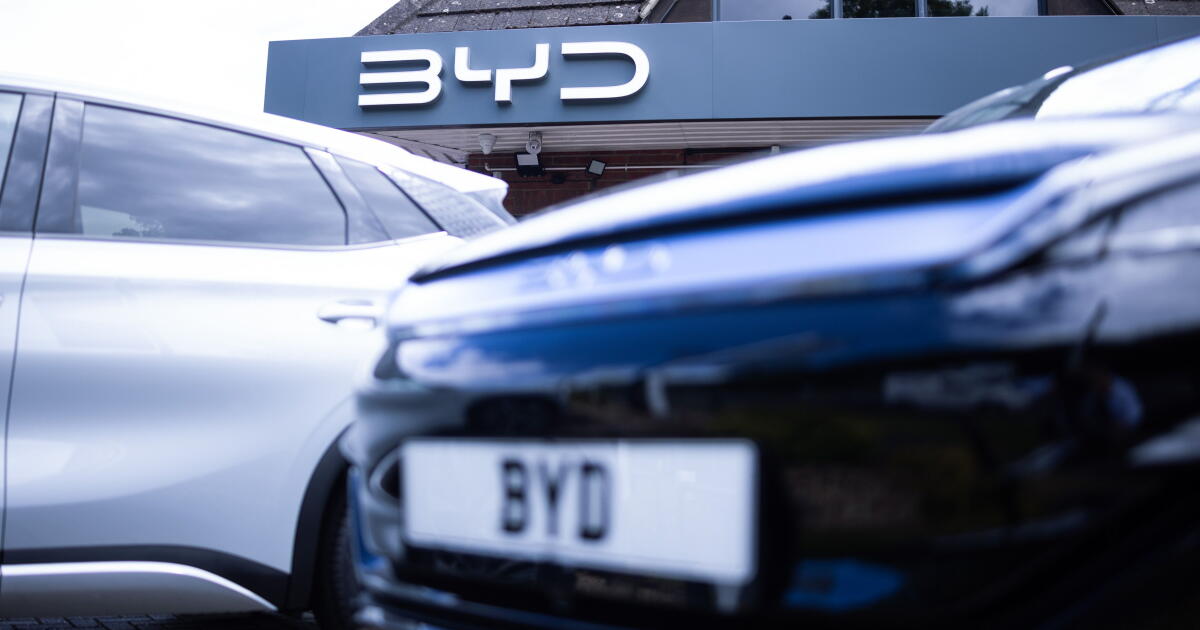
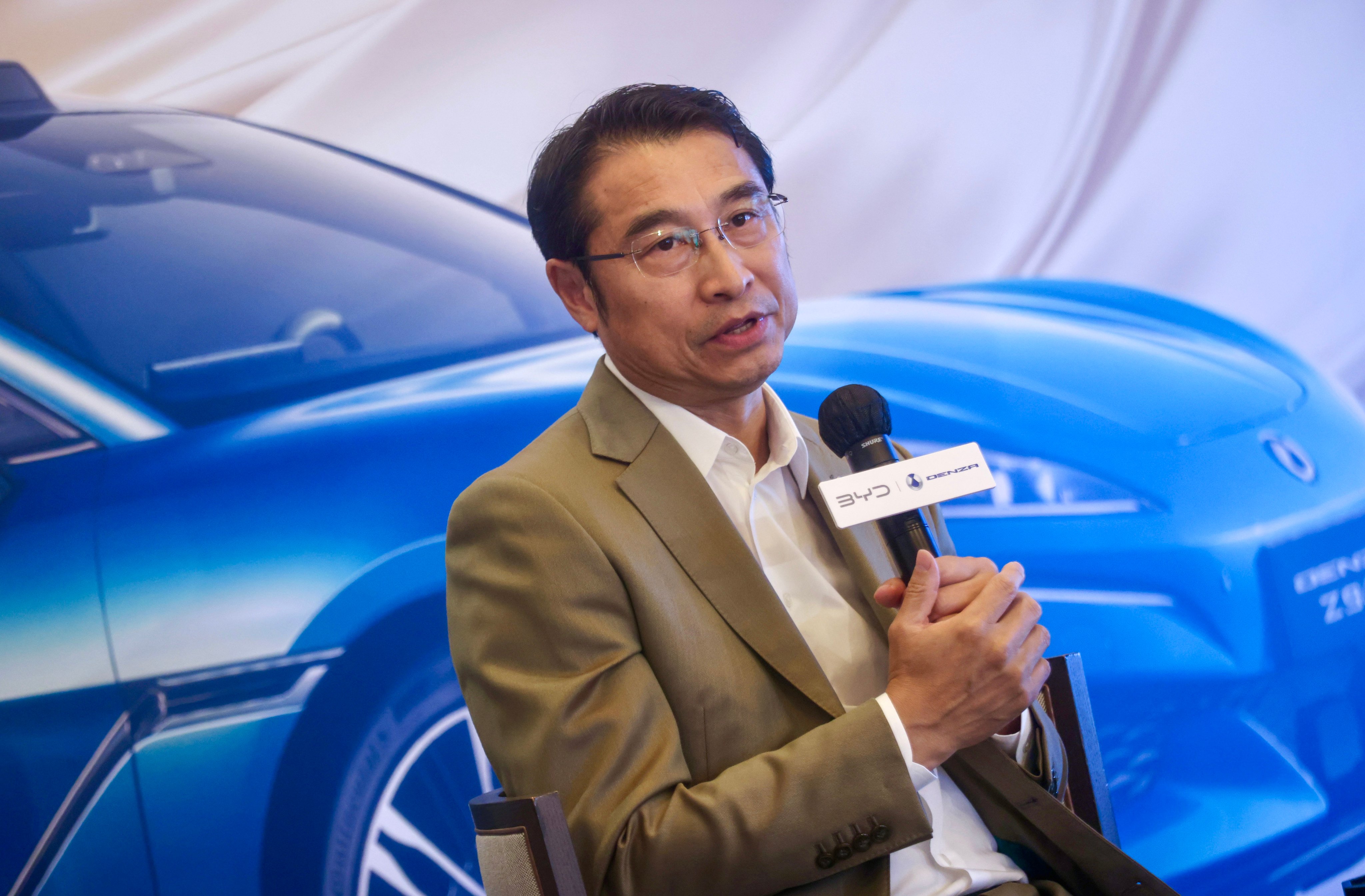
BYD has confirmed plans to build new factories in Europe to combat strict trade barriers targeting Chinese EVs. Vice-President Liu Xueliang stated that the company will not let tariff increases affect local consumers’ choices, signaling a shift from pure export to local production. This move is designed to secure market share and mitigate the impact of EU countervailing duties, which currently stand at 17.0% for BYD.
CATL: Expanding Gigafactory Footprint
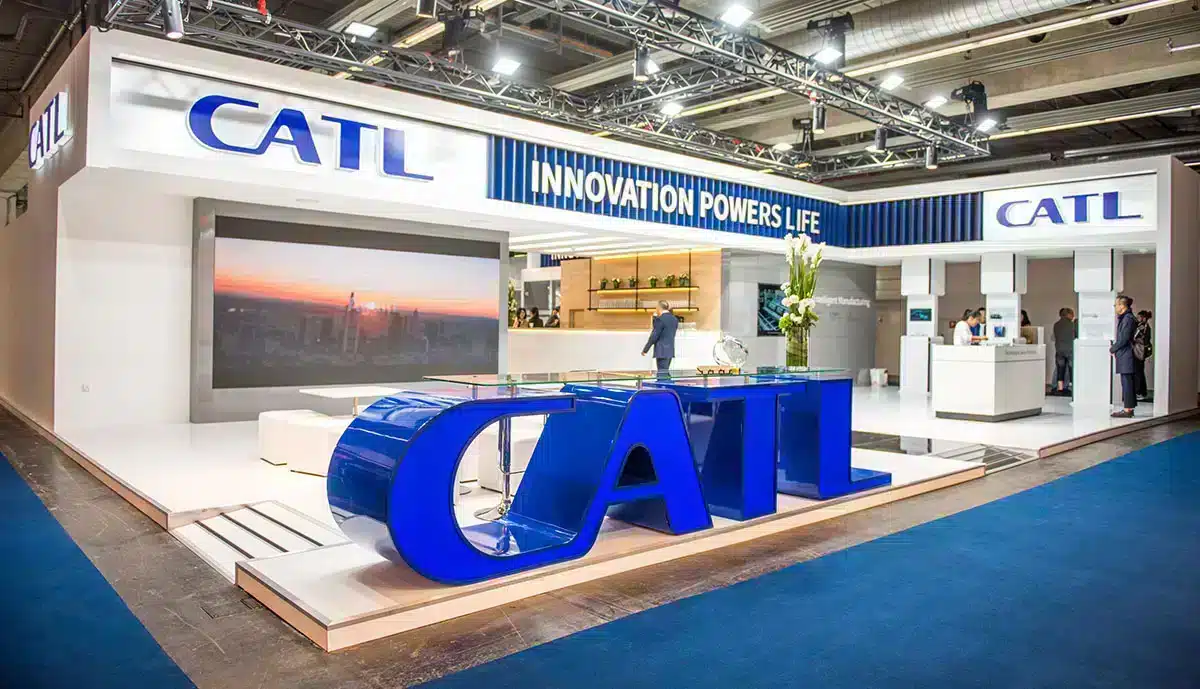
CATL is planning additional battery gigafactories in Europe, expanding its existing capacity in Germany, Hungary, and Spain. This expansion comes as CATL’s domestic market share declines and its Q3 net profit growth hits a two-year low due to slowing Chinese auto sales. By localizing production, CATL aims to maintain its global lead, which currently stands at 54.6% combined with BYD, while navigating European localization requirements.
Geely & Chery: Reviving Idle Factories
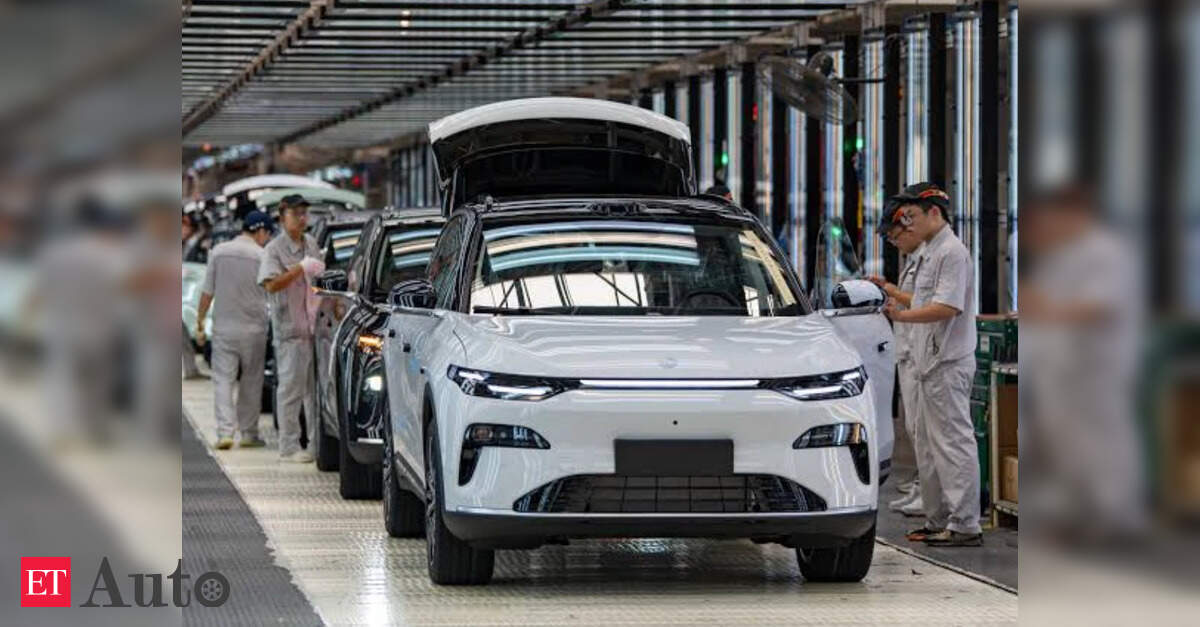
Chinese automakers Geely and Chery are expanding production in Europe by utilizing idle factories once owned by Nissan, Ford, and Volkswagen. This strategy allows them to bypass steep EU tariffs and combat domestic overcapacity in China. The takeover of these facilities represents a significant transfer of industrial assets and marks a shift in the balance of global auto power within European borders.
Deals, expansion & investment
Volkswagen & Xpeng: Software Integration
Volkswagen is considering integrating Xpeng-developed China software into most next-generation VW, Skoda, and Cupra models in Europe. This move could sideline Rivian’s software partnership and signifies a deeper technological reliance on Chinese EV stacks. It highlights how European legacy automakers are increasingly adopting Chinese software solutions to remain competitive in the intelligent connected vehicle (ICV) segment.

CRP Robot Technology: European Partnerships
Chengdu CRP Robot Technology Co., Ltd. has expanded its presence in Europe, with more than 20 partners across 13 European countries. At a machinery factory in Vicenza, Italy, Chinese-made robots are now used for welding and material movement. This illustrates the growing penetration of Chinese industrial automation technology into European manufacturing hubs.
Regulation & market context
EU Plans Broader Import Curbs
The European Union is planning to use safeguard measures to cut imports of products from sectors including chemicals, furniture, and machinery from China in early 2027. This expansion of trade defense instruments beyond the automotive sector aims to address the influx of low-priced Chinese goods that have strained European corporations. The measures may include capping import volumes or imposing tariffs on products exceeding set quotas.

FDI Screening Regulations
In June 2026, the EU formally adopted its revised FDI screening regulation, which harmonizes minimum requirements for member state screening mechanisms. This regulation requires the screening of sensitive investments falling within a common minimum scope, impacting Chinese companies pursuing transactions in the region. As Europe expands scrutiny of foreign investment and state-linked support, Chinese firms face a more complex regulatory environment for acquisitions and stakes.

Beijing’s Diplomatic Stance
Beijing is softening its rhetoric on EU curbs to avoid being blamed for Europe’s economic unrest. Analysts suggest that easing public discontent in Europe may require heavy government spending, potentially leading European governments to raise tariffs on Chinese goods to boost revenue. This dynamic could result in higher investment barriers for Chinese firms and demands for more local job creation.
On the radar
Used EV Sales Surge
Sales of pre-owned Chinese electric vehicles to European Union customers rose 280% year-on-year to 7,900 units during January–September 2026. This surge is driven by buyers shifting towards used models due to tariffs and import restrictions on new vehicles, indicating a secondary market channel that bypasses some direct import barriers.
Great Wall Motor’s European Push
Great Wall Motor is reported to be launching an aggressive European offensive, with speculation that it could challenge BYD’s dominance. While specific details remain limited, the move signals intensified competition among Chinese automakers for European market share.
By the numbers
- 12.7%: Market share captured by Chinese automakers in Europe in September, allowing them to outsell Japanese rivals for the first time.
- 17.0%: Current EU countervailing duty rate for BYD, plus a standard 10% customs duty, driving the need for local factory investments.
- 280%: Year-on-year increase in sales of used Chinese EVs in the EU during January–September 2026, reaching 7,900 units.
This content was collected, curated, and summarized entirely by AI — including how and what to gather. It may contain inaccuracies. Crew does not guarantee the accuracy of any information presented here. Always verify facts on your own before acting on them. Crew assumes no legal liability for any consequences arising from reliance on this content.
Powered by
