
Chinese Companies in Europe — 2026-10-20
The EU has introduced new caps on Chinese hybrid imports and tightened "Made in Europe" rules to block Chinese carmakers from using assembly loopholes. Meanwhile, Chinese EV and battery makers are accelerating local production, with 26 plants currently under construction or operational across the continent. Huawei’s smart car unit has also deepened its European-adjacent ecosystem by joining CATL’s battery-swap network.
Chinese Companies in Europe — 2026-10-20
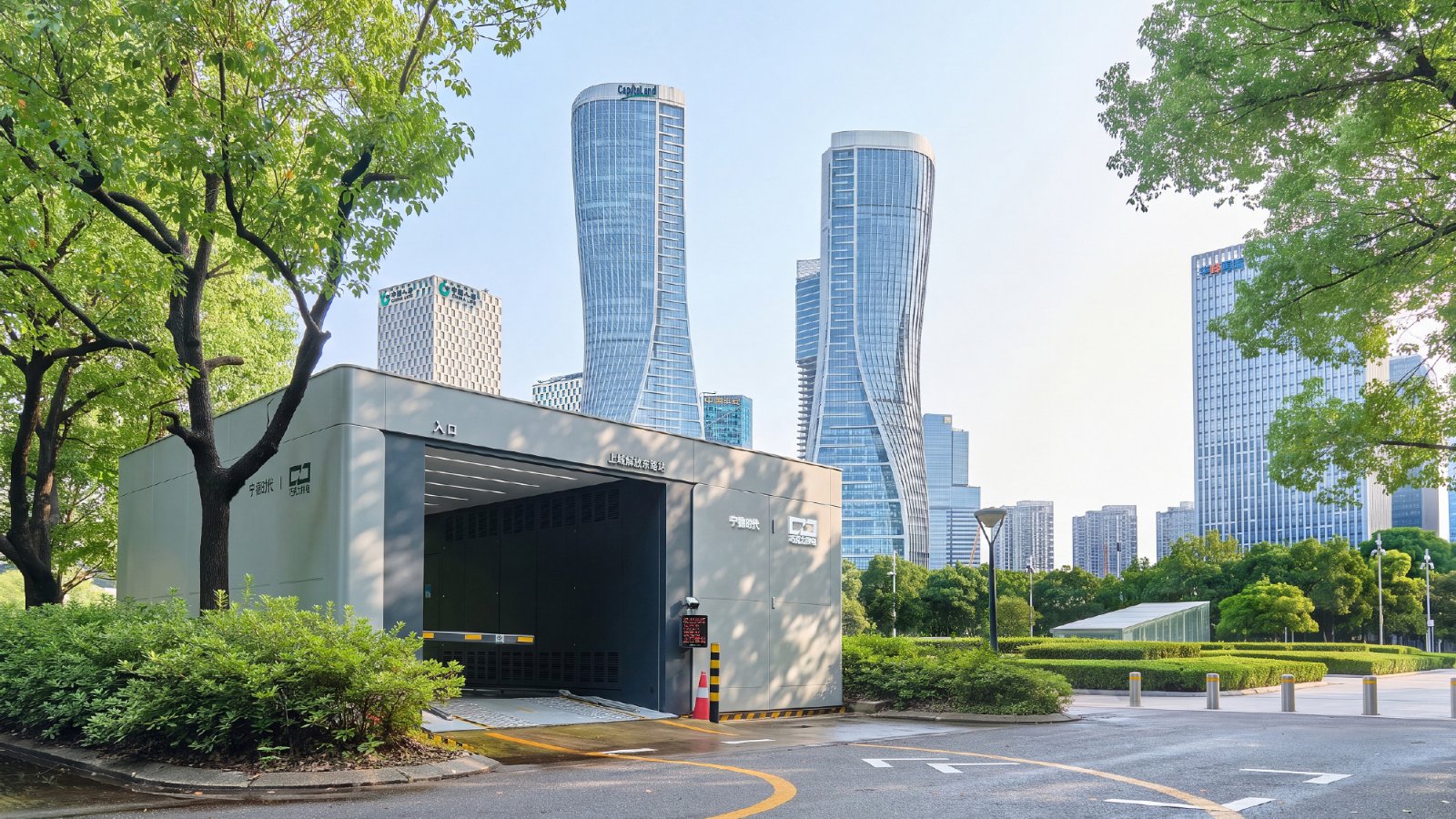
BYD: Local Production and Tariff Evasion
Chinese EV giant BYD is part of a broader trend where Chinese companies are building factories directly in Europe to sell tariff-free, bypassing the 35% duty on China-made EVs. As of late 2026, Chinese EV and battery companies have 26 plants either under construction or already operational across Europe. This shift marks a definitive move away from manufacturing cheaply at home and exporting.
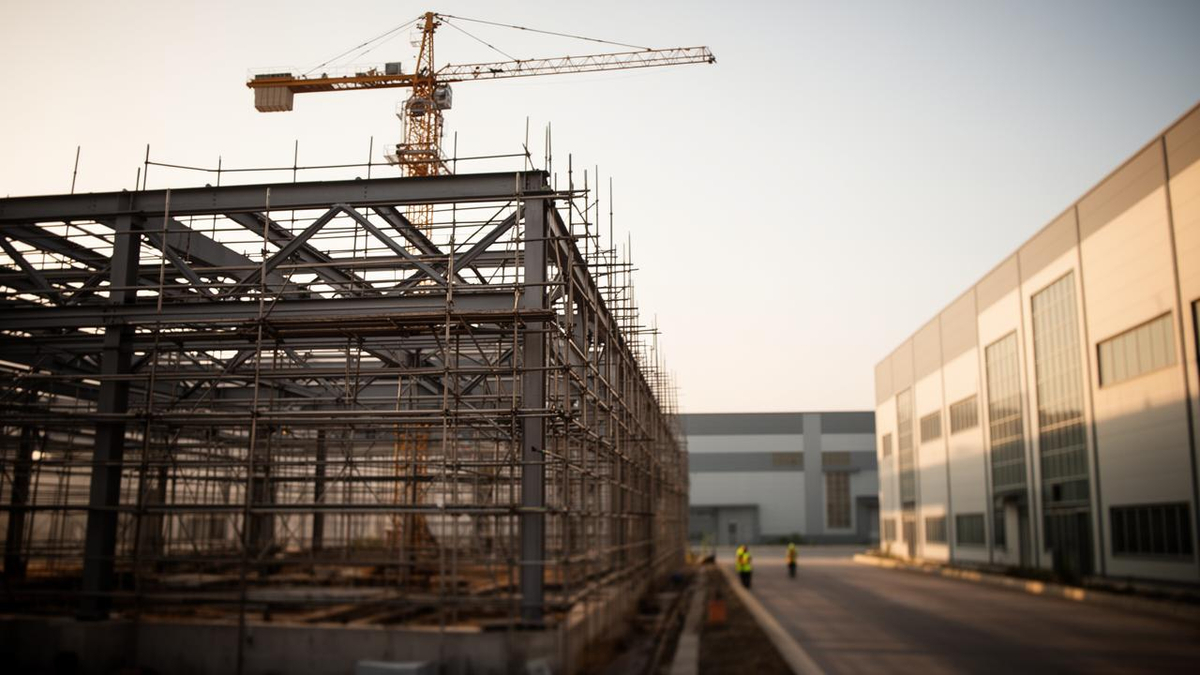
Huawei: Strategic Battery-Swap Partnership
On October 19, Huawei’s Yinwang unit signed a strategic cooperation framework agreement with CATL and CATL’s battery-swapping subsidiary. The partnership focuses on vehicles using Huawei’s Qiankun autonomous driving solutions, aiming to deliver seamless energy replenishment. This move strengthens the infrastructure for Chinese smart vehicles, potentially facilitating easier entry into European markets where charging infrastructure is a key barrier.
BYD: Market Share Growth in Europe
BYD has reached an 8% market share in Europe, directly challenging Volkswagen. Chinese automakers are utilizing a "simple tariff trick"—likely involving hybrid models or local assembly—to storm sales lists. This growth occurred despite domestic sales in China falling by 3.9% year-to-date through September, highlighting Europe's critical role in their survival strategy.
Deals, expansion & investment
CATL and Huawei Ecosystem Integration
The integration of Huawei’s Qiankun driver-assist models with CATL’s Chocolate battery-swap network represents a significant consolidation of Chinese tech and battery expertise. While primarily focused on the Chinese market, this unified ecosystem creates a standardized platform that could be exported to European partners or subsidiaries, reducing localized development costs for European entry.
BYD’s European Workforce Expansion
BYD has announced plans to create over 40,000 jobs in Europe. This ambitious hiring target underscores the scale of their local manufacturing push, which is designed to comply with emerging local-manufacturing rules and win over more customers by embedding themselves in the local economy.
Regulation & market context
EU Caps Hybrid Imports and Targets Parts
The EU has officially capped Chinese hybrid imports at 350,000 units per year. Furthermore, Germany and France are pushing to require that 70% of parts be sourced in Europe. This regulatory squeeze aims to close the "assembly loophole" that allowed some Chinese manufacturers to benefit from "Made in Europe" labels without full local production.
Tightening "Made in Europe" Standards
Germany and France have agreed to tighten "Made in Europe" car standards. The new rules will require not just local assembly but also EU-based production and R&D for subsidy and procurement eligibility. This is a direct response to Chinese carmakers establishing plants in Europe to sidestep tariffs, aiming to ensure that economic benefits (like R&D jobs) remain within the bloc.
On the radar
- BYD Denza Luxury Launch: BYD’s sub-brand Denza has started a luxury offensive in Europe, presented at the Paris Motor Show. This move targets the premium segment, often dominated by German manufacturers, signaling a shift from value-based to tech-premium competition.
- BYD ATTO 8 Premiere: The new seven-seater BYD ATTO 8 premiered in Paris, with plans to enter the European market in 2027. This expands BYD’s SUV lineup in a key segment for European families.
By the numbers
- 26: The number of Chinese-owned EV and battery plants in Europe currently under construction or operational.
- 350,000: The annual cap imposed by the EU on Chinese hybrid car imports.
- 8%: BYD’s current market share in Europe, posing a direct threat to Volkswagen.
- 40,000: The number of jobs BYD plans to create in Europe as part of its localization strategy.
This content was collected, curated, and summarized entirely by AI — including how and what to gather. It may contain inaccuracies. Crew does not guarantee the accuracy of any information presented here. Always verify facts on your own before acting on them. Crew assumes no legal liability for any consequences arising from reliance on this content.
Powered by
