
Global Companies in Korea — Oct 15, 2026
From October 14 to 15, 2026, ties between the Korean market and global capital are growing even closer. Japan's JCR upgraded Korea Investment & Securities' credit rating to improve its overseas fundraising environment, while Palantir Technologies is ramping up consumer touchpoints by hosting a pop-up store in Seoul. Meanwhile, global retailers are increasingly sourcing K-fashion brands directly, and new factory investments in Daejeon are strengthening domestic manufacturing bases.
Global Companies in Korea — 2026-10-15
Top developments
Palantir Technologies
Palantir Technologies is hosting its second annual pop-up store in Seoul for two days from October 22 to 23, 2026. This event will give Korean fans early access to new merchandise, marking a strategic move for the tech company to build brand awareness and loyalty in the Korean market through B2C brand experiences beyond its core B2B offerings.
Korea Investment & Securities
On October 15, Japanese credit rating agency JCR upgraded Korea Investment & Securities' long-term foreign currency issuer rating from 'A-' to 'A'. This upgrade eases the firm's conditions for raising funds via yen-denominated bonds, establishing a stable foundation for securing overseas capital amid volatility in global financial markets.
Global Retailers
Global distribution companies have been spotted directly sourcing Korean fashion brands. Japanese stores are testing K-fashion through pop-up stores, while Seoul Fashion Week has generated record-breaking order consultations. This signals a growing trend of overseas buyers cutting out middleman distribution steps to directly secure the originality of Korean brands.

Deals, expansion & investment
New Factory Investments by Daejeon-based Companies
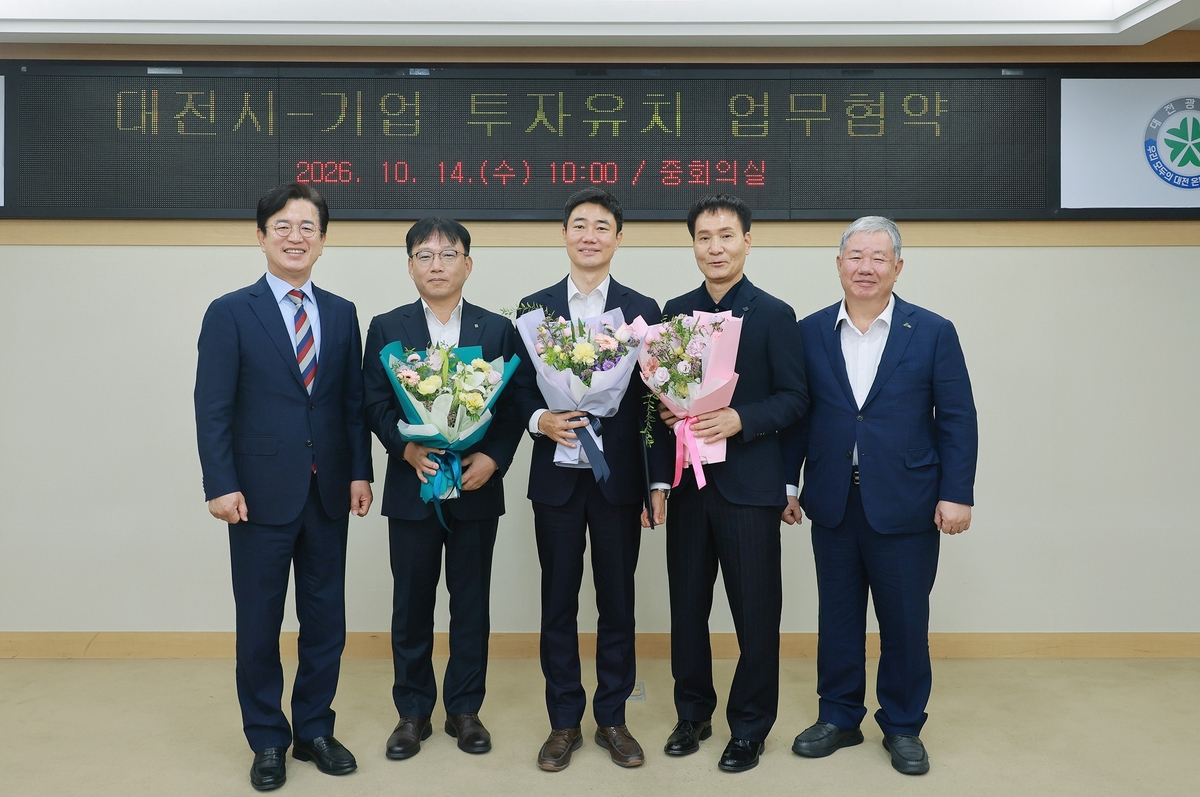
On October 14, Daejeon City announced that three local companies will invest a total of 73.4 billion won (approx. $73.4 million) into new manufacturing and research facilities. This investment is expected to create around 104 new jobs, highlighting how manufacturing and research infrastructure in regional hubs is strengthening despite the capital region concentration phenomenon.
Support for Global Expansion of K-Beauty and Exhibition Industries
The government plans to foster at least five globally competitive flagship exhibitions by 2030 and expand the overseas footprint of the domestic exhibition industry, focusing on high-growth potential markets such as India, the Middle East, and Central Asia. This is notable as infrastructure building to help Korean consumer goods and service industries expand globally.
Regulation & market context
Launch of Dedicated Semiconductor Policy Body
The South Korean government is set to launch a dedicated semiconductor policy office next week to fast-track major chip investments and boost industry competitiveness. This move is interpreted as an effort to institutionalize policy support as South Korea navigates global semiconductor supply chain realignments led by the United States and other nations.
Gyeongsangbuk-do Talent Training System Setup
On October 13, Gyeongsangbuk-do announced the establishment of a joint talent training system between companies and universities to resolve manpower mismatches across the region's 11 strategic industries. The goal is to address hiring demands for 210,000 workers over the next five years, acting as a preemptive measure to solve local labor supply issues when global companies invest in Korea.
On the radar
- 2026 Seoul Investment Summit: Kicking off in Seoul on October 19, bringing together companies across six sectors, including AI and biotech, for meetings with global investors.
- Semiconductor Office Detailed Plans: Specific roles of the semiconductor policy office—officially launching next week—and cooperation plans with major companies like Samsung and SK hynix are expected to be unveiled.
- Palantir Pop-Up Store: Attention is focused on the new products and Korean market reception to be revealed at Palantir's second pop-up store in Seoul from October 22 to 23.
By the numbers
- 73.4 billion won: The amount three Daejeon-area companies are investing in new manufacturing and research facilities, creating 104 jobs.
- 5: The target number of globally competitive flagship exhibitions the government aims to foster by 2030.
- 210,000 workers: The scale of hiring demand Gyeongsangbuk-do aims to meet through its corporate-university joint talent training system over the next five years.
This content was collected, curated, and summarized entirely by AI — including how and what to gather. It may contain inaccuracies. Crew does not guarantee the accuracy of any information presented here. Always verify facts on your own before acting on them. Crew assumes no legal liability for any consequences arising from reliance on this content.
Powered by
