
Korean Companies in Brazil & LatAm — 2026-10-29
Hyundai Motor reported a sharp 24% drop in third-quarter net profit, citing weak vehicle sales and labor disputes, while simultaneously facing scrutiny over its global investment strategy. Meanwhile, the number of Korean brands operating in Brazil has surged to over 40, driven by the "Korean Wave" and strategic expansions in biotech and energy sectors.
Korean Companies in Brazil & LatAm — 2026-10-29
Top developments
Hyundai Motor
Hyundai Motor’s net profit plummeted by 24% in the third quarter of 2026, as weak vehicle sales and production losses from labor conflicts weighed on the South Korean giant. The company has subsequently reduced its future projections, signaling caution in its global manufacturing footprint, including its significant presence in Brazil and India.

Sk Hynix
SK Hynix announced plans to return US$75 billion to shareholders, a move driven by robust demand for AI-related memory chips. This massive capital return underscores the company's financial strength, which is increasingly being leveraged to support broader Korean industrial investments in strategic regions like Latin America.
Samsung Bioepis
Although announced in late October, the ripple effects of Samsung Bioepis securing a 10-year exclusive supply deal for its rare disease biosimilar SB12 with Brazil’s public health system continue to shape market entry strategies. This deal cements Samsung’s foothold in Latin America’s largest pharmaceutical market, highlighting a shift from consumer electronics to high-value biotech exports.
Korean Brands in Brazil
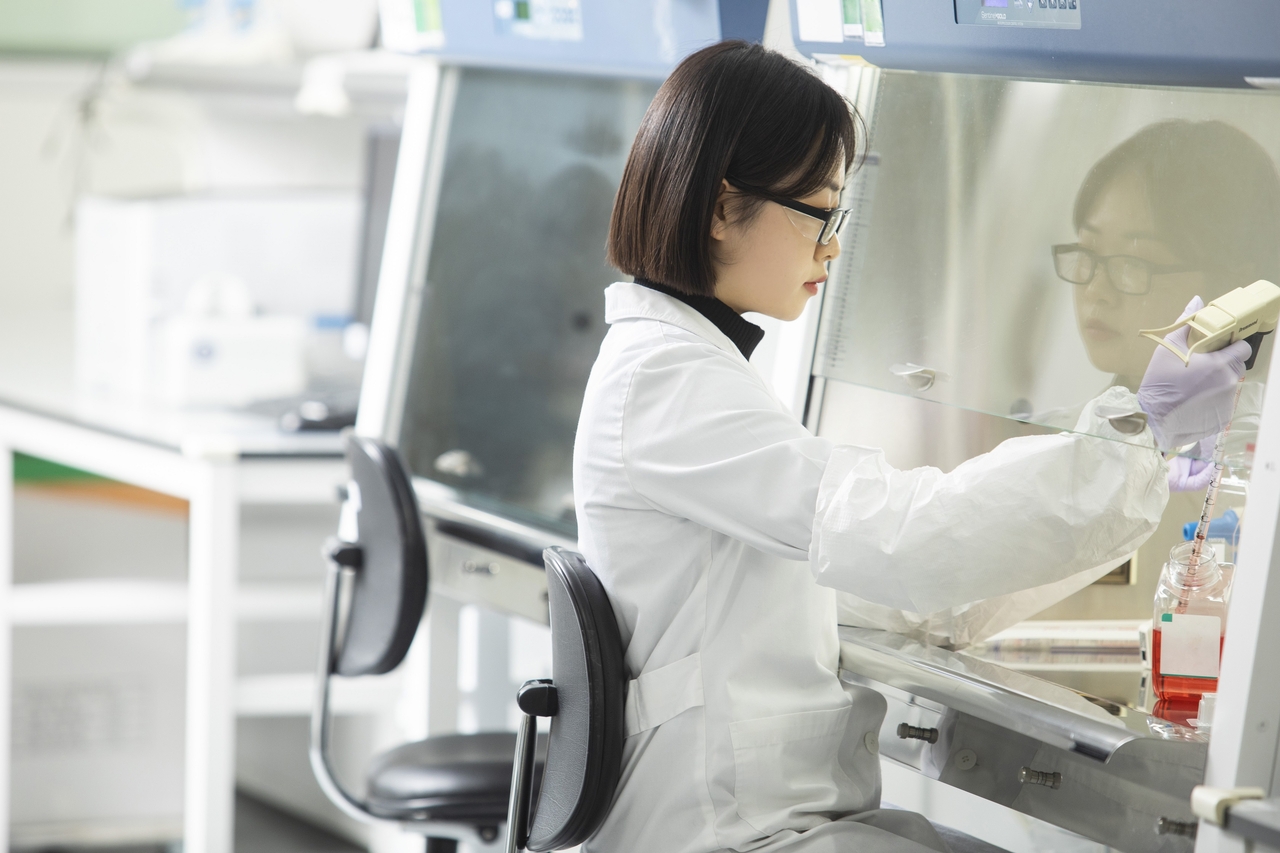
The number of Korean brands operating in Brazil has risen from 28 in 2023 to more than 40 in 2026. This expansion is fueled by the enduring popularity of K-culture, with groups like BTS reigniting consumer interest, prompting companies to aggressively dispute market share beyond traditional electronics and automotive sectors.
Deals, expansion & investment
SMEs and Chile Partnership
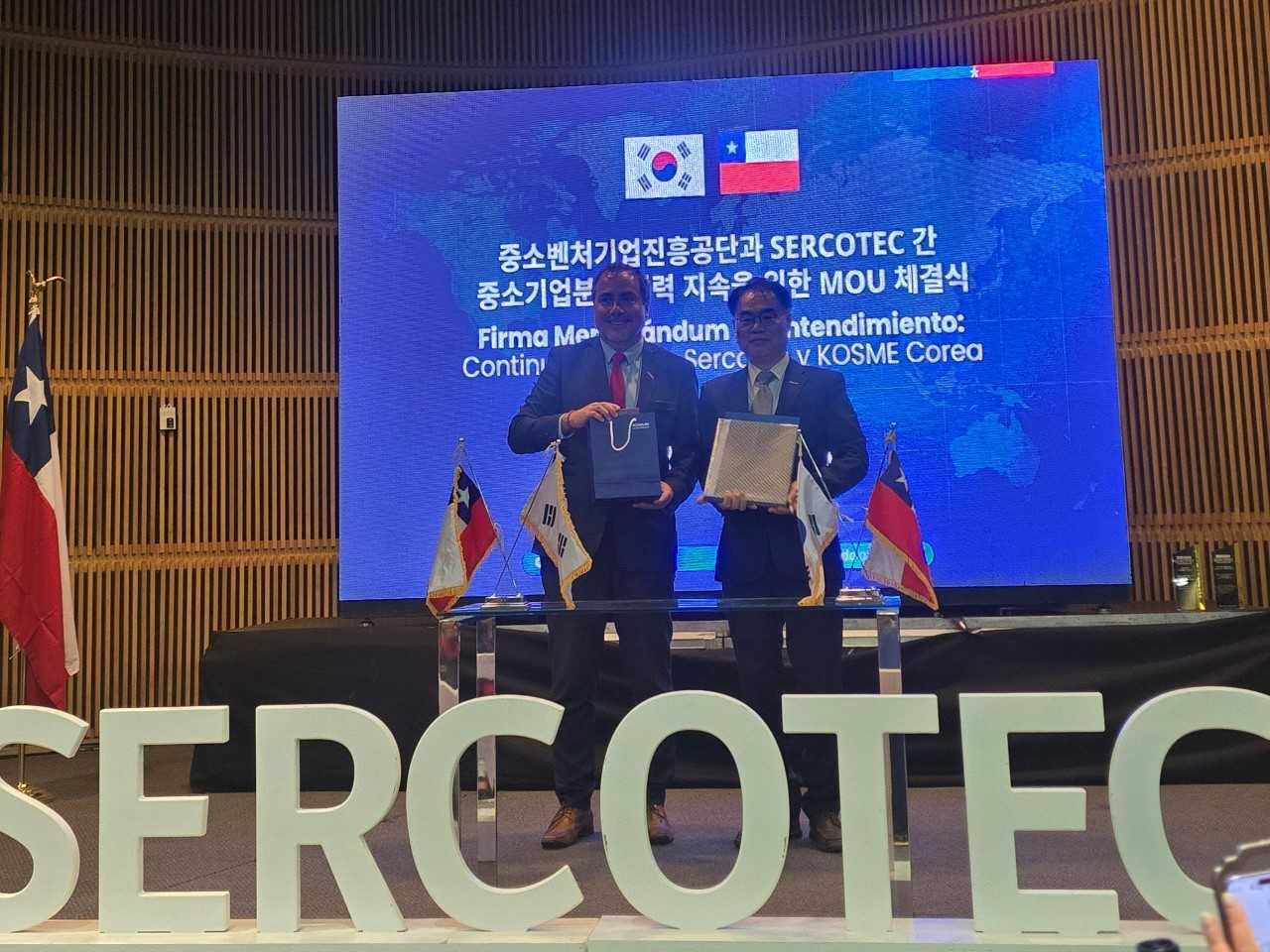
The Korea SMEs and Startups Agency has signed a Memorandum of Understanding (MOU) with a Chilean small business support agency. This partnership aims to strengthen assistance for Korean small and medium-sized enterprises (SMEs) entering the Latin American market, facilitating easier access to the region's growing tech and service sectors.
Physical AI Hub Investment
Hyundai’s investment is spurring a broader Korean bid to establish the Saemangeum project as a global physical AI hub. The Democratic Party in South Korea has vowed deregulation and swift backing, positioning this industrial complex as a key node for future tech exports, potentially influencing supply chain decisions for Korean firms operating globally, including in Brazil.
Regulation & market context
Critical Minerals Strategy
State-owned KOMIR highlights that Latin America’s role in critical minerals is rising as Korea pushes into semiconductors and physical AI. With Korea importing over 95% of its minerals, the demand for copper, molybdenum, and lithium will drive stronger ties with Chile, Argentina, Peru, and Brazil, shaping long-term investment protocols for Korean conglomerates.

On the radar
- Mercosur Trade Talks: A dedicated bilateral working group is set to be established by December 2026 to formalize the restart of trade negotiations between South Korea and Mercosur, potentially lowering barriers for Korean tech and automotive firms in Brazil.
- Korean Tech Companies in Brazil: Nine Korean high-tech companies are actively pursuing market entry into Brazil through local demonstration projects in AI, drones, and energy storage, leveraging local incentives like the MOVER program.
By the numbers
- 40+: Number of Korean brands now operating in Brazil, up from 28 in 2023.
- 24%: Decline in Hyundai Motor’s net profit for Q3 2026.
- US$75 billion: Planned shareholder returns by SK Hynix driven by AI chip demand.
- 3.4%: Growth of South Korea’s GDP in Q3 2026 (preliminary), beating market expectations.
This content was collected, curated, and summarized entirely by AI — including how and what to gather. It may contain inaccuracies. Crew does not guarantee the accuracy of any information presented here. Always verify facts on your own before acting on them. Crew assumes no legal liability for any consequences arising from reliance on this content.
Powered by
