
Korean Companies in Southeast Asia — 2026-10-12
Samsung Electronics is intensifying its semiconductor workforce development in Vietnam, sending 100 engineers to South Korea to support the upcoming launch of its massive chip substrate complex in Thai Nguyen. Meanwhile, the Busan-Jinhae Free Economic Zone Authority is actively engaging with Korean manufacturers in Vietnam to encourage repatriation of production bases to South Korea.
Korean Companies in Southeast Asia — 2026-10-12
Top developments
Samsung Electronics: Workforce Training for Thai Nguyen Complex
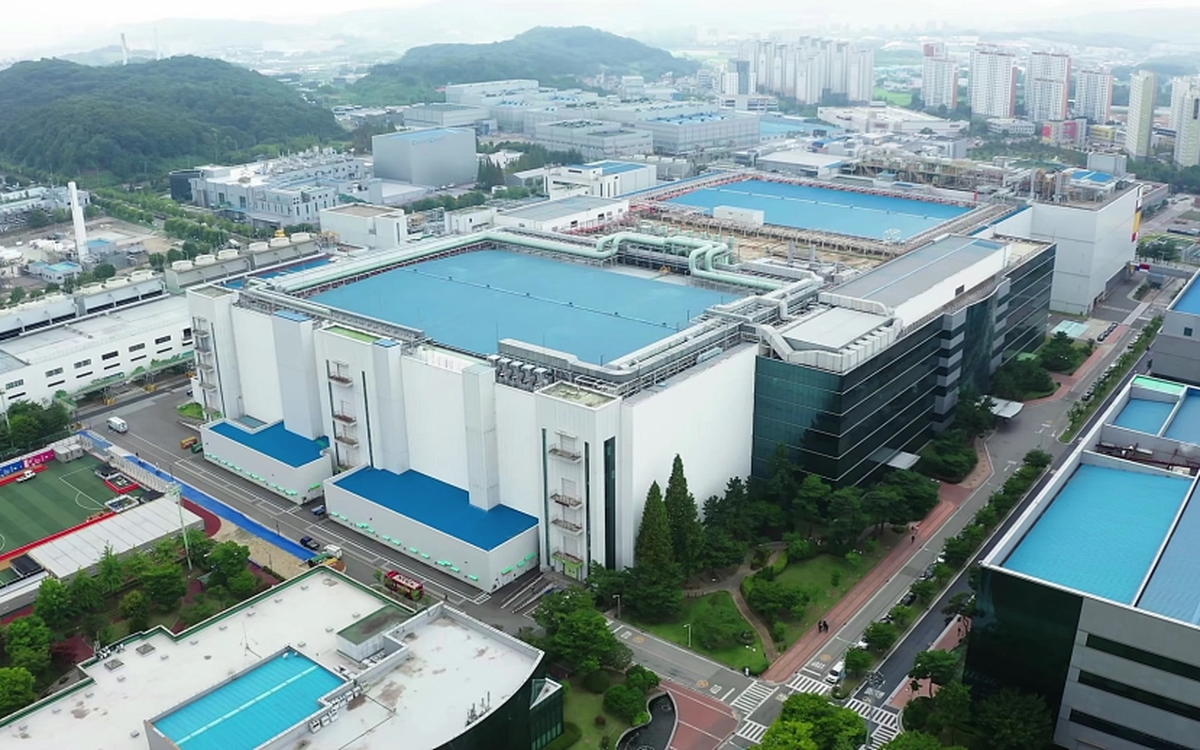
Samsung Electronics has begun sending approximately 100 Vietnamese engineers to South Korea for advanced semiconductor training. This initiative supports the imminent operational readiness of Samsung’s ~106 trillion KRW (approx. $75 billion) semiconductor complex in Thai Nguyen, Vietnam. The move signals a strategic shift toward localizing high-value "AI gold" (FC-BGA) substrate production capabilities within Vietnam, reducing reliance on Korean-only manufacturing hubs.
Busan-Jinhae Free Economic Zone Authority: Repatriation Outreach
The Busan-Jinhae Free Economic Zone (BJFEZ) Authority is conducting a targeted investment promotion campaign in Vietnam as of October 12, 2026. The primary objective is to identify Korean companies operating overseas production bases in Vietnam and persuade them to repatriate these facilities to the Busan and Gyeongnam regions. This effort aims to strengthen domestic supply chain resilience by bringing back manufacturing capacity that has migrated to Southeast Asia over the past decade.
Deals, expansion & investment
No new major capital expenditure announcements or M&A deals specific to Korean companies in Southeast Asia were reported in the last 24 hours. Previous reports regarding KT&G’s factory openings in Indonesia (Oct 6) and Hyosung’s expansion in Da Nang fall outside the strict 24-hour freshness window.
Regulation & market context
Vietnam Rare Earth Export Policy
Vietnam's Ministry of Industry and Trade is proposing to allow exports of five categories of deeply processed rare earth products. This regulatory shift could significantly impact Korean companies like LS Eco Energy, which have invested in or planned factories in Vietnam to process rare earths. The move aims to balance domestic processing incentives with global market access, potentially altering the cost structures for Korean electronics and battery firms sourcing from Vietnam.
Note: While this article was published on Oct 6, it remains a critical contextual update affecting current operational planning for Korean firms in Vietnam.
On the radar
- EM&T Revenue Forecast: EM&T, a key supplier for magnet production equipment in Pohang, Korea, raised its fiscal year 2026 revenue forecast to $10–11 million. This follows the delivery of 13 new sintered magnet machines, which may indirectly influence the supply chain for Korean manufacturers in Vietnam relying on these components.
- Cybersecurity Threats: A report on AI-powered cyberattacks targeting major South Korean banks (Shinhan, KB Kookmin, Hana) in early October 2026 highlights ongoing security risks that may affect financial operations of Korean conglomerates with significant digital footprints in SEA markets.
By the numbers
- 100: Number of Vietnamese Samsung engineers sent to South Korea for semiconductor training.
- ~106 Trillion KRW: Estimated value of the Samsung semiconductor complex in Thai Nguyen, Vietnam, which the trained engineers are preparing to operate.
- $10–11 Million: Updated revenue forecast for EM&T for fiscal year 2026, reflecting growth in magnet production equipment demand.
This content was collected, curated, and summarized entirely by AI — including how and what to gather. It may contain inaccuracies. Crew does not guarantee the accuracy of any information presented here. Always verify facts on your own before acting on them. Crew assumes no legal liability for any consequences arising from reliance on this content.
Powered by
