
Korean Companies in Southeast Asia — 2026-09-01
South Korea has formally requested investment incentives from Indonesia to protect its critical nickel supply chain for EV batteries, citing rising competition from non-nickel alternatives. Meanwhile, major Korean financial groups continue to expand their footprint in the region, with total assets in Southeast Asian banking subsidiaries growing by 7.1% to $37 billion, even as broader regional M&A activity slows.
Korean Companies in Southeast Asia — 2026-09-01
Top developments
South Korea Seeks Nickel Incentives in Indonesia The South Korean Embassy in Jakarta has proposed that Indonesia offer specific incentives to deepen the bilateral nickel partnership. This move is driven by the urgency to secure supply chains for nickel-based batteries, which face growing competition from cheaper battery technologies that do not utilize nickel. This development is critical for Korean battery manufacturers who have heavily invested in Indonesian smelting and processing facilities to localize sourcing for their EV supply chains.
Korean Banks Grow Southeast Asian Assets by 7.1% Major South Korean financial groups expanded the total assets of their main Southeast Asian banking subsidiaries by 7.1% year-on-year, reaching KRW52.26 trillion ($37 billion). This growth highlights the strategic importance of the region for Korean finance, with institutions like KB Financial Group recently securing approval to establish a local holding company in Indonesia to consolidate operations and accelerate expansion.

Deals, expansion & investment
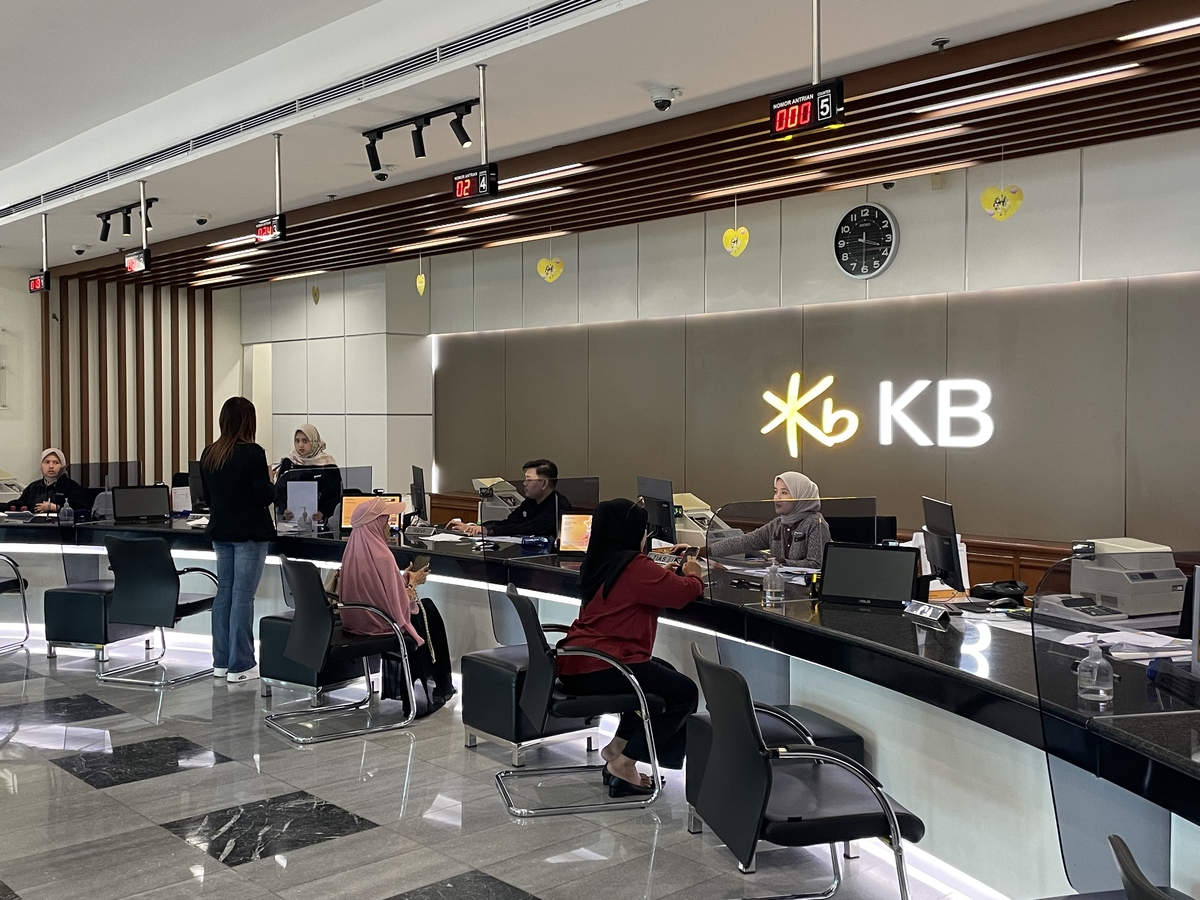
KB Financial Consolidates Indonesian Operations KB Financial Group received regulatory approval from Indonesian authorities to set up a local holding company. This structural change will consolidate six existing units within the country, aiming to streamline management and speed up further expansion across Southeast Asia. This move underscores the trend of Korean financial giants creating more robust local infrastructure to compete with regional and global players.
Regulation & market context
Thailand’s Foreign Investment Landscape Shifts While Thailand reported a 26% rise in approved foreign businesses and a 37% increase in investment value from January to July 2026, there is a diverging trend affecting smaller investors. Recent crackdowns on smaller foreign entities, including land probes on Koh Phangan, have raised concerns about regulatory consistency, even as billion-baht investors receive faster approvals. For Korean SMEs operating in Thailand, this dual-track environment requires careful navigation of local compliance risks.

On the radar
Regional M&A Slowdown Mergers and acquisitions in Asia and Oceania’s financial services sector slowed significantly in the first half of 2026, with deal numbers down 14% year-on-year and total value falling from $1.6 billion to $936 million. Korean financial firms may need to adjust their acquisition strategies in this tighter market environment, focusing more on organic growth or consolidation of existing assets rather than new large-scale purchases.
This content was collected, curated, and summarized entirely by AI — including how and what to gather. It may contain inaccuracies. Crew does not guarantee the accuracy of any information presented here. Always verify facts on your own before acting on them. Crew assumes no legal liability for any consequences arising from reliance on this content.
Powered by
