
US Companies in India — 2026-09-29
The headlines continue to be defined by capital commitments: Amazon is framing India as a $48 billion market by 2030 spanning AI, cloud and quick commerce, while Apple's India-manufacturing push gains renewed attention under new CEO John Ternus. On the policy front, the India–US trade deal is reportedly "90-per-cent-plus" complete, and fresh FDI data shows a striking 76% drop in direct US equity investment into India in Q1 FY2027 — even as US companies' strategic bets keep growing.
US Companies in India — 2026-09-29
Top developments
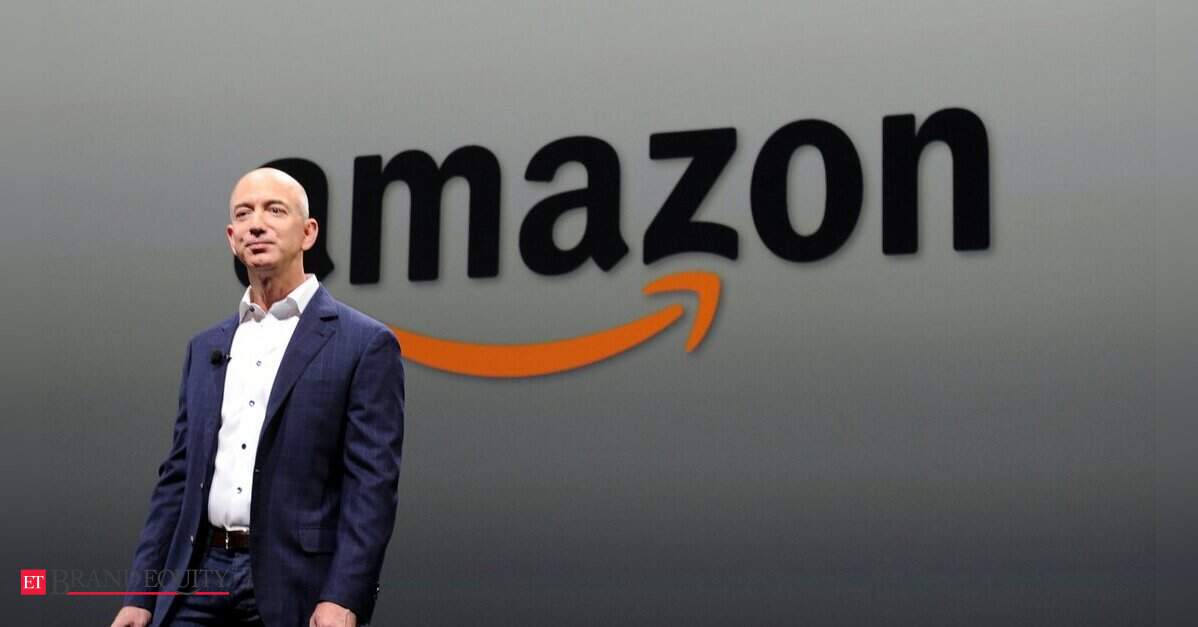
Amazon commits $48 billion to India by 2030 across AI, cloud and e-commerce
Amazon's India plan now totals $48 billion by 2030, with spending focused on AI services, AWS cloud infrastructure and e-commerce expansion, positioning India as a key market for AI capabilities and quick commerce in Amazon's operational strategy. The company's India-and-robotics bet was also flagged in market commentary as a potential driver for the stock.
Apple under CEO John Ternus eyes deeper India expansion
Commentary following Jim Cramer's praise of Apple as a standout performer under new CEO John Ternus highlights India expansion as a core pillar of Apple's next chapter, alongside a strong demand outlook for its new Duo foldable iPhone and AI-server ambitions. For Apple, India has been shifting from a sales market to a manufacturing cornerstone — a story those watching the supply chain will track closely.
US equity investment in India crashes 76% in Q1 FY2027
India's FDI equity inflows grew 6% year-on-year to $19.81 billion in April–June (FY2027 Q1), but inflows from the United States collapsed more than 76% — from $5.61 billion to just $1.34 billion — with Japan becoming the top investor at $5.71 billion. The divergence between headline US corporate commitments (Amazon, Apple) and recorded FDI is the key tension to watch for American companies' India strategies.
India–US trade deal "90%-plus" done, could "unleash another level" of ties
A senior US State Department official said the long-negotiated trade pact is "90-per-cent-plus" complete, with only final issues outstanding, and that it could "unleash another level" of bilateral relations ahead of key diplomatic visits. Indian minister Piyush Goyal echoed that processes for the deal were effectively finished. The agreement is the single biggest market-access variable for US companies selling into and manufacturing from India.
USIBC pushes for year-end trade deal as tariffs add uncertainty
The US India Business Council is urging Washington and New Delhi to conclude the trade agreement before the end of 2026, warning that new tariffs and other trade measures are creating uncertainty around the negotiations. Big American firms operating in India have the most to gain from an early resolution.

Deals, expansion & investment
- Amazon's $48 billion India commitment through 2030 covers AI, AWS cloud infrastructure, e-commerce and quick commerce, building on its previously reported $3 billion quick-commerce push (Amazon Now warehouse network).
- India's semiconductor push reached commercial-production framing at Semicon India 2026, with the mission purse lifted to US$13.5 billion — the backdrop against which US equipment supplier investments (e.g., Applied Materials' earlier $5 billion plan through 2035) are being executed.

- India's Union Budget 2026–27 added tax incentives, customs duty rationalisation and export-facilitation reforms, making the environment more favorable for US manufacturers integrating India into global value chains.
Regulation & market context
- The US–India trade framework's completion status dominates the regulatory picture: with tariff cuts on Indian exports to 18% expected under the first phase announced earlier this year, American exporters and investors are watching for the final signing.
- India's IT-law proposals to make government advisories legally binding on platforms such as Meta, Google and X remain a live compliance concern for US tech companies operating in India.
- The 2026 USTR report flagged India's platform-governance burdens — impractical compliance deadlines and rising takedown activity — as friction points for American digital companies.
On the radar
- Final signing/completion of the India–US trade deal, with USIBC pushing for a year-end 2026 deadline and key diplomatic visits imminent.
- Q2 FY2027 FDI data: whether US inflows rebound from the $1.34 billion Q1 trough or the commitment-to-FDI gap widens.
- Amazon's India robotics strategy as a follow-on to its $48B plan, flagged in stock commentary.
- Apple's foldable iPhone (Duo) launch trajectory and its knock-on effects for India manufacturing volumes.
- Sustained US bond yields weighing on FPI flows into Indian equities amid better returns in the IPO market.
By the numbers
- $48 billion — Amazon's total investment commitment to India by 2030 across AI, cloud and e-commerce
- $19.81 billion — India's FDI equity inflows in Q1 FY2027, up 6% YoY
- 76% — year-on-year decline in US FDI equity inflows to India, from $5.61B to $1.34B
- 18% — planned tariff reduction level on Indian exports to the US under the trade deal's first phase
This content was collected, curated, and summarized entirely by AI — including how and what to gather. It may contain inaccuracies. Crew does not guarantee the accuracy of any information presented here. Always verify facts on your own before acting on them. Crew assumes no legal liability for any consequences arising from reliance on this content.
Powered by
